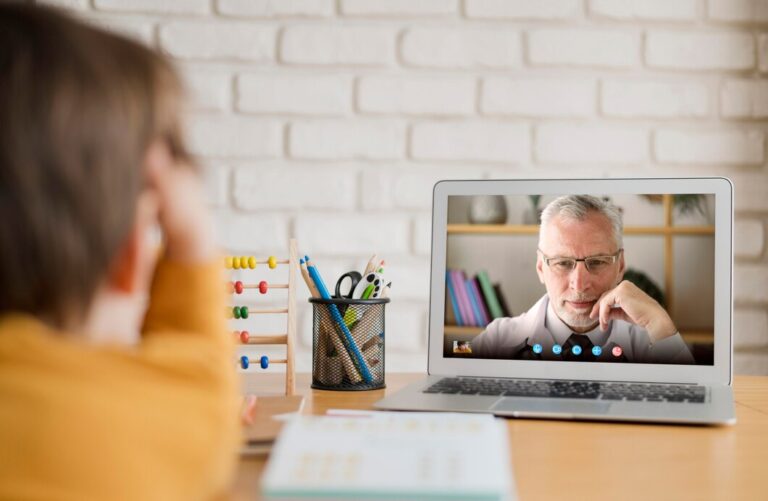
In today’s connected world, Digital Detox Strategies are becoming essential for maintaining a healthier lifestyle and creating a better balance between work and personal life. Constant notifications, endless emails, social media scrolling, and prolonged screen exposure can negatively affect productivity, relationships, and mental health. By following practical methods to disconnect from unnecessary technology use, individuals can regain control over their time, reduce stress, and improve overall well-being. A well-planned digital detox does not mean eliminating technology completely—it means using it intentionally to create a healthier, more balanced life.
What Are Digital Detox Strategies?
Digital detox strategies refer to intentional practices that help reduce excessive dependence on smartphones, laptops, tablets, social media, and other digital devices. Instead of allowing technology to control your schedule, these strategies encourage mindful and balanced use of digital tools.
Whether you work from an office or remotely, taking regular breaks from screens can improve concentration, reduce fatigue, and strengthen your personal relationships.
Why Digital Detox Matters More Than Ever
Technology has transformed how we communicate, learn, and work. While it offers countless benefits, excessive usage often creates challenges such as:
- Constant stress from notifications
- Difficulty focusing on important tasks
- Poor sleep quality
- Increased anxiety
- Eye strain and headaches
- Reduced face-to-face interactions
- Feeling mentally exhausted after work
Implementing a Digital detox for work-life balance helps create healthier boundaries between professional responsibilities and personal time.
Signs You Need a Digital Detox
Many people don’t realize how dependent they have become on technology. Here are common warning signs:
1. You Check Your Phone Constantly
If reaching for your phone has become automatic, you may need Screen time reduction strategies.
2. Work Never Feels Finished
Emails and work chats continue long after office hours, making it difficult to relax.
3. You Feel Mentally Exhausted
Continuous screen exposure contributes to Digital burnout recovery challenges.
4. You Struggle to Focus
Constant notifications interrupt deep work and reduce efficiency.
5. Sleep Has Become Poor
Using digital devices before bedtime suppresses melatonin production, making it harder to sleep.
Digital Detox Benefits
Reducing unnecessary technology use offers both immediate and long-term improvements.
Some major Digital detox benefits include:
- Better concentration
- Improved sleep
- Lower stress levels
- Better relationships
- Increased productivity
- Enhanced creativity
- Reduced anxiety
- Improved physical health
- Better emotional balance
- More free time for hobbies
These improvements contribute significantly to Improve work-life balance.
How Excessive Screen Time Affects Work-Life Balance
Technology often blurs the line between work and personal life.
Common issues include:
Always Being Available
Many professionals feel pressured to answer emails instantly, even during vacations.
Reduced Family Time
Smartphones often steal attention from loved ones.
Mental Fatigue
Long hours in front of screens decrease energy levels and motivation.
Increased Stress
Digital overload contributes significantly to Stress reduction challenges.
Best Digital Detox Strategies for Professionals
Working professionals often spend 8–12 hours daily using digital devices. These practical strategies can help restore balance.
1. Set Clear Work Boundaries
One of the Best digital detox strategies for professionals is defining when your workday starts and ends.
For example:
- Stop checking work emails after office hours.
- Turn off work notifications in the evening.
- Keep weekends mostly work-free.
This supports stronger Healthy work habits.
2. Schedule Screen-Free Breaks
Taking regular breaks helps prevent digital fatigue.
Try the 20-20-20 rule:
Every 20 minutes:
- Look at something 20 feet away
- For 20 seconds
This simple practice reduces eye strain while supporting Screen time management.
3. Turn Off Non-Essential Notifications
Notifications constantly interrupt concentration.
Disable:
- Social media alerts
- Shopping apps
- News updates
- Promotional emails
Doing so helps Reduce digital distractions throughout the day.
4. Create Device-Free Zones
Designate specific areas where devices are not allowed.
Examples:
- Dining table
- Bedroom
- Family room
- Outdoor seating area
These spaces encourage conversation and relaxation.
5. Practice Mindful Technology Use
Instead of using technology automatically, ask yourself:
- Why am I opening this app?
- Is this necessary?
- Will this improve my day?
Practicing Mindful technology use increases awareness and reduces unnecessary screen time.
6. Schedule Social Media Time
Avoid checking social media every few minutes.
Instead:
- Morning: 15 minutes
- Afternoon: 15 minutes
- Evening: 20 minutes
This prevents endless scrolling and supports Technology detox goals.
7. Try Digital Minimalism
Digital minimalism focuses on keeping only the digital tools that genuinely improve your life.
Examples:
- Delete unused apps.
- Unsubscribe from unnecessary newsletters.
- Limit social media platforms.
- Organize digital files regularly.
A cleaner digital environment often leads to better focus.
8. Keep Your Phone Away During Work
Place your phone:
- Inside a drawer
- In another room
- Face down with silent mode enabled
Reducing phone visibility naturally helps Reduce screen addiction.
9. Replace Screen Time with Healthy Activities
Instead of browsing your phone after work:
- Read books
- Exercise
- Cook meals
- Walk outdoors
- Practice meditation
- Play board games
- Spend time with family
These activities support a Healthy lifestyle.
10. Create a Nighttime Digital Routine
One of the most effective How to disconnect from technology after work methods is establishing an evening routine.
For example:
- Stop using devices one hour before bed.
- Dim lights.
- Read a printed book.
- Stretch.
- Practice deep breathing.
This supports better sleep and improved recovery.
Easy Digital Detox Tips for Busy People
Many people believe they don’t have time for a detox, but small habits make a significant difference.
Some Easy digital detox tips for busy people include:
- Keep your phone out of reach during meals.
- Walk without your phone.
- Disable autoplay on streaming apps.
- Use grayscale mode.
- Schedule notification-free hours.
- Take lunch breaks away from screens.
- Avoid multitasking with multiple devices.
Small daily improvements often create lasting change.
Ways to Reduce Screen Time at Work
Office jobs require technology, but unnecessary screen exposure can still be reduced.
Consider these Ways to reduce screen time at work:
- Print long documents for review.
- Hold walking meetings when possible.
- Take handwritten notes occasionally.
- Use voice calls instead of endless messaging.
- Step outside during breaks.
- Stretch every hour.
These practices improve comfort and productivity.
Screen-Free Routines for Better Productivity
Creating Screen-free routines for better productivity helps recharge your brain.
Examples include:
Morning
- Drink water
- Exercise
- Journal
- Plan your day
Lunch Break
- Eat without screens
- Take a short walk
Evening
- Family conversations
- Reading
- Yoga
- Meditation
Simple routines help maintain consistent energy throughout the day.
Digital Detox Habits for Better Mental Health
Technology can contribute to information overload and emotional exhaustion.
Helpful Digital detox habits for better mental health include:
- Practice gratitude journaling.
- Spend time in nature.
- Limit news consumption.
- Avoid doomscrolling.
- Meditate daily.
- Connect with friends offline.
These habits strengthen Mental wellness over time.
Daily Digital Detox Strategies for a Healthier Lifestyle
Consistency matters more than perfection.
Here are Daily digital detox strategies for a healthier lifestyle:
Morning
Avoid checking your phone immediately after waking.
During Work
Batch email responses instead of checking continuously.
After Work
Spend at least one hour completely offline.
Before Bed
Read a physical book instead of scrolling social media.
These daily habits support long-term Digital wellness.
Digital Wellness Practices for Employees
Employers also play a role in promoting healthier technology habits.
Useful Digital wellness practices for employees include:
- Encouraging regular breaks
- Respecting after-hours boundaries
- Offering mental health resources
- Reducing unnecessary meetings
- Promoting flexible schedules
- Supporting wellness programs
Healthier employees are generally happier and more productive.
Productivity and Digital Detox
Many people assume being online constantly increases productivity.
The opposite is often true.
A thoughtful approach to Productivity and digital detox helps:
- Improve concentration
- Reduce multitasking
- Finish tasks faster
- Make better decisions
- Lower stress
Focused work sessions produce higher-quality results.
Work-Life Balance Strategies That Actually Work
Successful professionals intentionally create healthy routines.
Effective Work-life balance strategies include:
- Prioritizing important tasks
- Learning to say no
- Taking regular vacations
- Maintaining hobbies
- Spending time outdoors
- Exercising regularly
- Setting realistic work goals
These habits make it easier to separate work from personal life.
Building Healthy Digital Habits
Creating Healthy digital habits requires consistency.
Start with these practices:
- Charge your phone outside the bedroom.
- Limit social media usage.
- Schedule offline weekends occasionally.
- Turn off unnecessary alerts.
- Use focus modes while working.
- Track daily screen time.
Over time, these habits become automatic.
Technology Detox for Remote Workers
Maintaining Work from home balance can be especially challenging because home and office often share the same space.
Helpful ideas include:
- Create a dedicated workspace.
- Shut down your laptop after work.
- Change clothes after finishing work.
- Take short outdoor walks.
- Separate personal and professional devices if possible.
These boundaries help your brain recognize when work is over.
Mindfulness and Digital Wellbeing
Practicing Mindfulness encourages intentional technology use.
Simple techniques include:
- Deep breathing before checking notifications.
- Single-tasking instead of multitasking.
- Paying attention during conversations.
- Being fully present during meals.
Mindfulness complements Digital wellbeing tips by helping you become more aware of your habits.
Time Management and Reduced Digital Distractions
Good Time management becomes easier when technology is controlled rather than constantly controlling you.
Try methods such as:
- Time blocking
- Pomodoro Technique
- Daily priority lists
- Scheduled email checking
- Focus hours without notifications
Reducing interruptions allows you to accomplish more in less time.
How to Improve Work-Life Balance with a Digital Detox
If you’re wondering How to improve work-life balance with a digital detox, remember that the goal isn’t to eliminate technology—it is to use it more intentionally.
Start by:
- Setting clear work hours.
- Limiting unnecessary screen time.
- Spending quality time with family and friends.
- Creating device-free routines.
- Prioritizing sleep and exercise.
- Taking regular breaks.
- Practicing mindfulness.
Over time, these changes improve both your professional performance and personal happiness.
Common Mistakes During a Digital Detox
Avoid these common pitfalls:
- Trying to quit all technology at once.
- Setting unrealistic goals.
- Ignoring work requirements.
- Replacing phone use with excessive television.
- Feeling guilty for using technology when necessary.
Balance—not perfection—is the objective.
Long-Term Success Tips
For lasting results:
- Review your screen time weekly.
- Remove apps that waste your time.
- Schedule regular offline activities.
- Protect weekends from unnecessary work.
- Spend more time outdoors.
- Continue building healthy routines.
Small, consistent improvements create meaningful change over time.
Conclusion
In a world where technology is deeply integrated into everyday life, practicing intentional digital habits is no longer optional—it is essential for long-term health and happiness. By embracing Digital detox for work-life balance, reducing unnecessary screen exposure, and adopting healthier routines, you can regain focus, improve relationships, lower stress, and enjoy greater overall well-being.
Whether you begin with a few minutes of offline time each day or gradually adopt more structured Technology detox practices, every small step contributes to lasting positive change. Building Healthy digital habits, improving Tech-life balance, and creating consistent Screen-free lifestyle routines will not only enhance Workplace productivity but also support Focus improvement, Stress reduction, Mental wellness, and a more fulfilling personal life. With the right approach, digital detox becomes a sustainable path toward a healthier, happier, and more balanced future.
About the Author