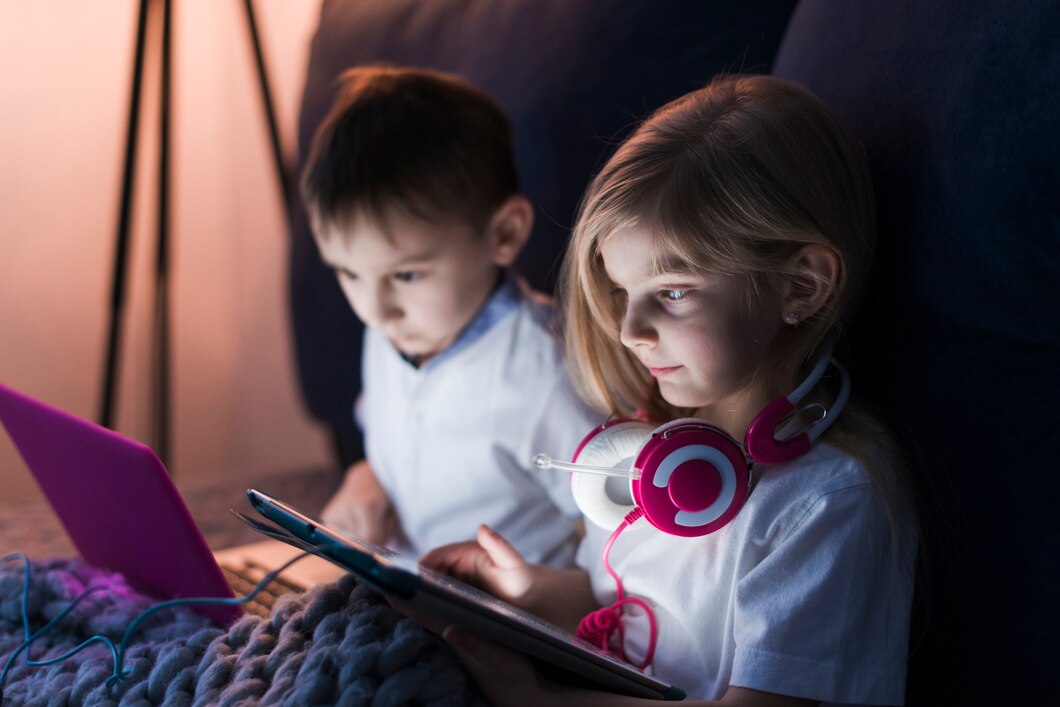
In today’s digital-first world, screen time and children have become inseparable topics of discussion among parents, educators, and health experts. From online classes and educational apps to gaming and social media, screens are deeply embedded in a child’s daily routine. However, emerging children screen time research is raising important questions about how prolonged digital exposure affects physical health, cognitive development, and emotional well-being. Understanding the effects of screen time on children is no longer optional—it’s essential for informed parenting.
What Recent Research Says About Children and Screen Use
Over the past few years, global studies have closely examined the impact of screen time on children across different age groups. Research published by pediatric health organizations suggests that excessive recreational screen use may interfere with attention span, sleep quality, and social development. While screens are not inherently harmful, the screen time effects on kids depend heavily on duration, content, and context.
Experts emphasize that passive screen consumption—such as endless scrolling or watching fast-paced videos—can be more problematic than interactive or educational screen activities.
Cognitive and Learning Effects
One of the most discussed effects of screen time on children is its influence on brain development. Studies indicate that excessive screen exposure in younger children may delay language development and reduce focus. Rapid image changes and constant stimulation can make it harder for kids to engage in slower, real-world learning environments like reading or classroom discussions.
That said, not all screen time is equal. Educational apps and guided digital learning, when used in moderation, can support literacy and problem-solving skills. According to recent children screen time research, parental involvement significantly improves learning outcomes during digital use.
Emotional and Behavioral Impact
The screen time effects on kids also extend to emotional health. Researchers have linked prolonged screen exposure to increased irritability, anxiety, and difficulty managing emotions, particularly when screen use replaces face-to-face interaction. Social media and gaming platforms can also expose children to comparison pressure and overstimulation.
The impact of screen time on children becomes more pronounced when screens are used as emotional coping tools rather than for learning or communication.
Physical Health Concerns
Another key area highlighted in recent studies is physical well-being. Excessive screen use often leads to reduced physical activity, contributing to poor posture, eye strain, and sleep disturbances. Blue light exposure before bedtime has been shown to interfere with melatonin production, making it harder for children to fall asleep.
Health experts recommend consistent screen-free routines, especially during meals and before bedtime, to reduce negative screen time effects on kids.
How Much Screen Time Is Too Much?
According to pediatric guidelines referenced in recent children screen time research, recommended limits vary by age. Younger children benefit from minimal recreational screen exposure, while older children should balance screen use with outdoor play, reading, and offline social interaction.
Rather than focusing only on screen duration, experts suggest evaluating content quality and encouraging active, purposeful use to reduce the long-term impact of screen time on children.
What Parents Can Do Moving Forward
To minimize the negative effects of screen time on children, parents are encouraged to:
- Set clear screen-time boundaries
- Encourage regular breaks and physical activity
- Prioritize educational and age-appropriate content
- Model healthy screen habits themselves
- Create tech-free zones at home
Research consistently shows that children with structured digital routines experience fewer behavioral and emotional challenges related to screen use.
Final Thoughts
The conversation around screen time and children is evolving as new research continues to emerge. While screens are an unavoidable part of modern childhood, understanding the effects of screen time on children empowers parents to make informed decisions. By staying updated with credible children screen time research and maintaining balance, families can ensure technology supports—not replaces—healthy development.
About the Author