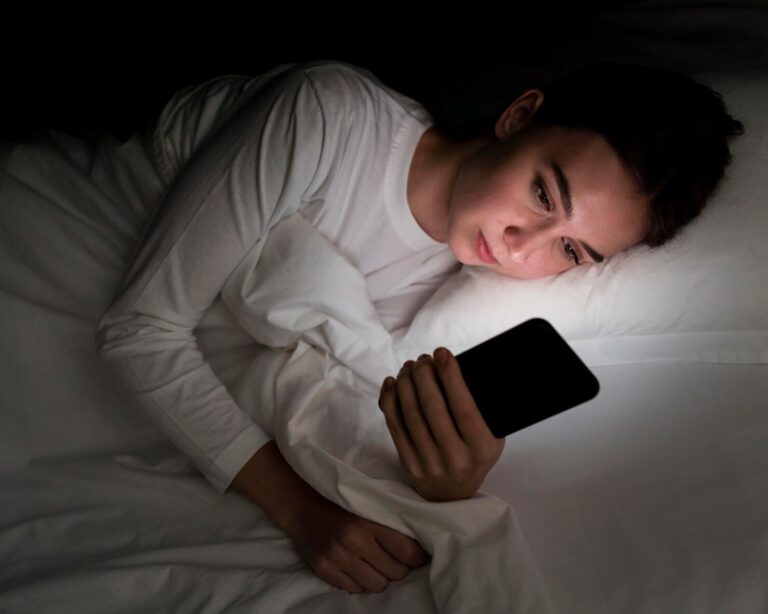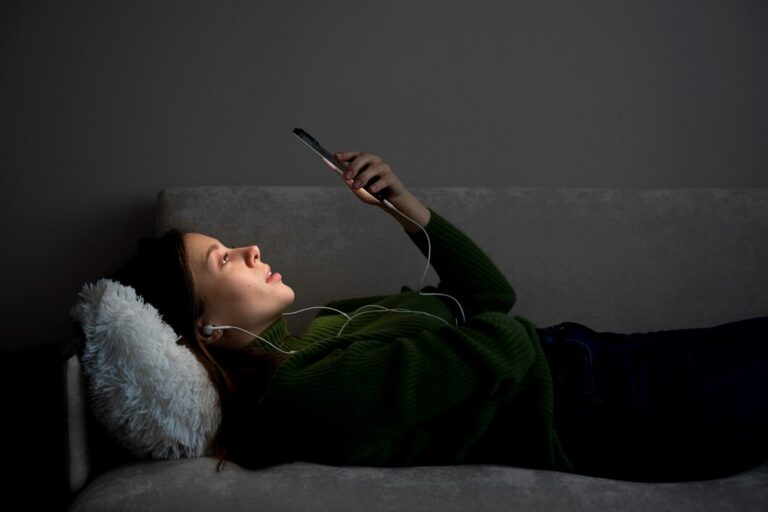
Digital wellbeing apps have become essential tools for anyone struggling with social media addiction—especially when it comes to learning how to reduce Instagram addiction and reduce TikTok addiction in a world dominated by infinite scrolling, autoplay videos, and algorithm-driven dopamine loops. Instagram and TikTok are not just social platforms anymore; they are carefully engineered attention ecosystems designed to maximize screen time.
While these apps offer creativity, connection, and entertainment, excessive usage often leads to anxiety, poor sleep, reduced focus, and emotional burnout. This is where digital wellbeing tools, screen time apps, and phone addiction apps step in—helping users regain control through app usage tracking, screen time management apps, and platform-specific usage limits.
Unlike willpower-based approaches, digital wellbeing apps work with your brain, not against it. They introduce friction, awareness, and boundaries—three elements missing from addictive social media design. This guide breaks down how to stop TikTok addiction with digital wellbeing apps, how to reduce Instagram addiction using apps, and which screen time apps for Android and iPhone are most effective in 2026 and beyond.
Understanding Social Media Addiction: Why Instagram and TikTok Are So Hard to Quit
Before diving into tools, it’s important to understand why Instagram and TikTok are uniquely addictive.
The Psychology of Social Media Addiction
Social media addiction is driven by variable reward systems—the same psychological mechanism used in slot machines. Each swipe, scroll, or refresh carries the possibility of something rewarding:
- A viral video
- A like or comment
- A dopamine-triggering aesthetic image
- Validation through views or followers
Your brain learns one thing quickly:
“Just one more scroll.”
Why TikTok Is More Addictive Than Any Platform Before It
TikTok’s addiction intensity comes from:
- Full-screen immersive content
- No stopping cues (no natural “end”)
- Ultra-personalized algorithm
- Rapid content novelty
Unlike Instagram, TikTok removes friction entirely. You don’t choose what to watch—the algorithm chooses for you.
Why Instagram Keeps You Hooked Differently
Instagram addiction often revolves around:
- Social comparison
- Likes and validation
- Stories that expire (FOMO)
- Reels copying TikTok’s addictive loop
This is why Instagram screen time control and TikTok usage limits must be handled differently.
Why Willpower Alone Fails (and Apps Succeed)
Most people try to reduce Instagram addiction by:
- Deleting the app (temporarily)
- Turning off notifications
- Making promises to themselves
This usually fails within days.
Why?
Because willpower is a finite resource, while social media algorithms are infinite.
Digital wellbeing apps succeed because they:
- Automate boundaries
- Track behavior objectively
- Interrupt compulsive habits
- Create accountability
They transform intention into system-based behavior change.
What Are Digital Wellbeing Apps?
Digital wellbeing apps are tools designed to:
- Monitor app usage
- Limit screen time
- Block distracting apps
- Provide usage insights
- Encourage healthier phone habits
They include:
- Screen time management apps
- Social media control apps
- App usage trackers
- Phone addiction apps
Some are built into phones, while others are third-party tools with advanced features.
Core Digital Wellbeing App Features for Addiction Control
Before choosing an app, understand the features that matter most for Instagram and TikTok addiction.
1. App Usage Tracker
An app usage tracker shows:
- How many minutes/hours you spend daily
- Number of app opens
- Peak usage times
Awareness alone often reduces usage by 10–20%.
2. Daily Usage Limits
TikTok usage limits and Instagram usage limits allow you to:
- Set daily time caps
- Receive alerts
- Lock the app after the limit
3. App Blocking & Focus Modes
Some digital wellbeing tools:
- Block Instagram during work hours
- Restrict TikTok at night
- Allow emergency access only
4. Notification Control
Reducing notifications is crucial:
- No push alerts
- No badges
- No dopamine pings
5. Behavioral Nudges
Advanced phone addiction apps:
- Ask “Do you really want to open this?”
- Delay app opening by 10 seconds
- Force intention checks
Built-In Screen Time Apps for Android and iPhone
Before downloading third-party apps, start with what your phone already offers.
Android Digital Wellbeing (Google)
Android’s built-in Digital Wellbeing tool is one of the most powerful free options.
Key Features:
- App usage tracker
- TikTok and Instagram timers
- Focus Mode
- Bedtime Mode
- Notification summaries
How to Reduce Instagram Addiction Using Android Digital Wellbeing
- Open Settings → Digital Wellbeing
- View Instagram usage stats
- Set a daily timer (start with 30–45 minutes)
- Enable Focus Mode during work hours
- Turn on Bedtime Mode to block late-night scrolling
This alone can dramatically reduce Instagram addiction.
Apple Screen Time (iPhone)
Apple’s Screen Time is equally powerful when used properly.
Key Features:
- App usage tracking
- Downtime scheduling
- App limits
- Content restrictions
How to Break TikTok Addiction Using Apple Screen Time
- Go to Settings → Screen Time
- Enable Screen Time
- Tap App Limits
- Set TikTok usage limit (20–40 minutes)
- Enable “Block at End of Limit”
- Set a Screen Time passcode (not easily guessable)
This makes TikTok usage intentional instead of automatic.
Best Digital Wellbeing Apps for Social Media Addiction (Third-Party)
Built-in tools are powerful, but third-party apps offer deeper behavioral control.
1. Freedom (Android, iPhone, Desktop)
Freedom is one of the best digital wellbeing apps for social media addiction.
Why It Works:
- Cross-device blocking
- Scheduled blocks
- Locked sessions (cannot be overridden)
Best Use Case:
- Blocking Instagram during work
- Blocking TikTok after 9 PM
2. StayFocusd / StayFree
Excellent app usage tracker tools.
Features:
- App usage analytics
- Daily and hourly limits
- Overuse warnings
Ideal for users who want data-driven awareness.
3. Forest App
Forest gamifies screen time reduction.
How It Helps:
- Grow a tree when you stay off Instagram
- Kill the tree if you open TikTok
This taps into emotional commitment.
4. One Sec
One Sec is designed specifically for Instagram addiction.
Unique Feature:
- Adds a pause before opening Instagram or TikTok
- Forces mindful decision-making
Even a 5-second pause reduces compulsive opens dramatically.
Platform-Specific Strategies: Instagram vs TikTok
Using the same strategy for both platforms doesn’t work.
How to Reduce Instagram Addiction Using Apps (Platform-Specific)
Instagram Addiction Triggers:
- Stories
- Likes
- Reels
- Explore page
App-Based Strategies:
- Limit Reels Only
- Use app blockers to block Reels, not the entire app
- Use app blockers to block Reels, not the entire app
- Disable Like Notifications
- Remove validation loops
- Remove validation loops
- Restrict Story Viewing
- Stories create FOMO-driven checking
- Stories create FOMO-driven checking
- Schedule Instagram Access
- fixed windows per day
- fixed windows per day
- Turn Instagram Grayscale
- Makes the app visually boring
- Makes the app visually boring
How to Stop TikTok Addiction with Digital Wellbeing Apps
TikTok requires stricter measures.
TikTok Addiction Triggers:
- Endless autoplay
- Personalized content
- Time blindness
App-Based Strategies:
- Hard Daily Time Limits
- 20–30 minutes max
- 20–30 minutes max
- Block TikTok After Limit
- No “5 more minutes”
- No “5 more minutes”
- Night-Time Lock
- No TikTok after 8 or 9 PM
- No TikTok after 8 or 9 PM
- Delay App Launch
- Add friction before opening
- Add friction before opening
- Remove from Home Screen
- Reduces muscle-memory access
- Reduces muscle-memory access
Combining Apps with Behavioral Design (The Winning Formula)
Apps alone aren’t magic. Combine them with small design tweaks:
- Log out of Instagram weekly
- Delete TikTok on weekdays
- Keep apps off the home screen
- Use browser versions instead of apps
Digital wellbeing tools work best when paired with environmental friction.
Screen Time Apps for Android and iPhone: Which Is Better?
Android Strengths:
- Flexible app timers
- Focus Mode
- Deeper system control
iPhone Strengths:
- Strong app limits
- Downtime enforcement
- Family sharing accountability
Both ecosystems support strong screen time management apps.
Measuring Progress: How to Know It’s Working
Use your app usage tracker to monitor:
- Daily time reduction
- Fewer app opens
- Improved sleep
- Better focus
Success is not zero usage—it’s intentional usage.
Common Mistakes People Make with Digital Wellbeing Apps
- Setting unrealistic limits
- Ignoring notifications
- Not reviewing weekly reports
- Using too many apps
- Relying on motivation instead of systems
Long-Term Benefits of Reducing Instagram and TikTok Addiction
- Improved concentration
- Better mental health
- Reduced anxiety
- Increased productivity
- Better sleep quality
- More time for real-life connections
Screen time management apps don’t remove joy—they restore balance.
Final Thoughts: Control the Tool Before It Controls You
Instagram and TikTok are not evil—but unchecked usage quietly drains time, energy, and attention. Digital wellbeing apps, screen time apps, and social media control apps empower you to reclaim agency without quitting technology entirely.
If you’re serious about:
- Reducing Instagram addiction
- Reducing TikTok addiction
- Overcoming social media addiction
Then digital wellbeing tools aren’t optional—they’re essential.
Your phone can either be a tool for growth or a machine for distraction.
The difference lies in how you configure it.
About the Author