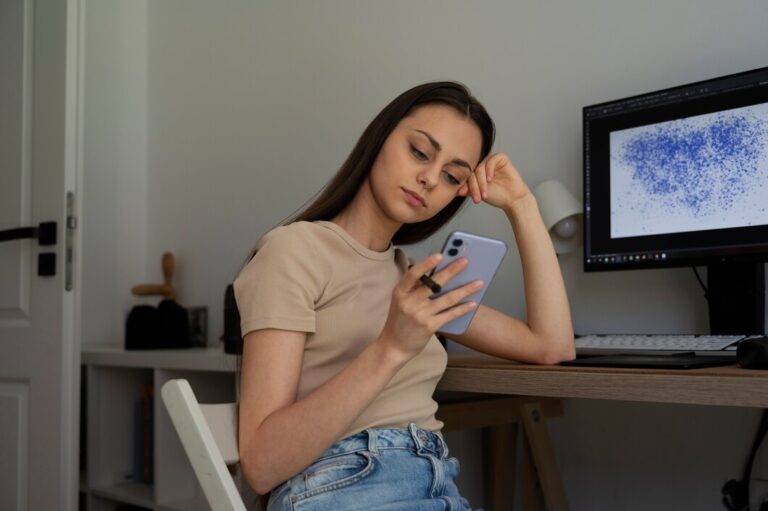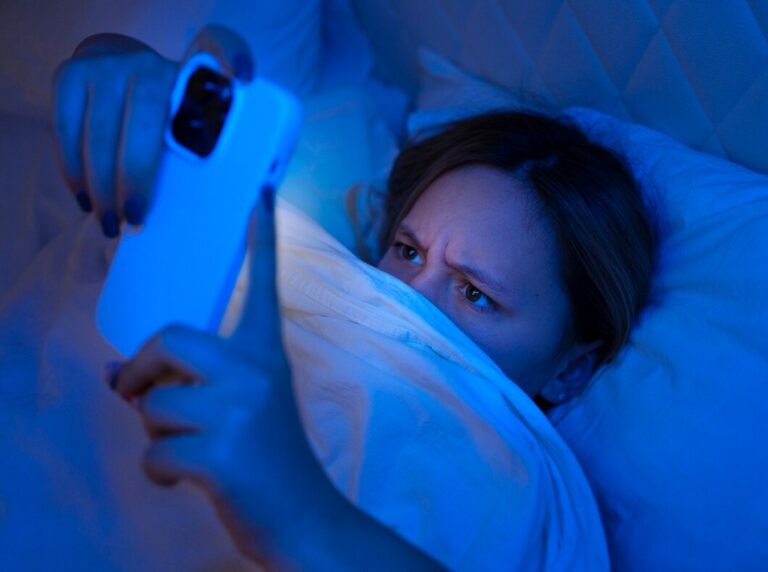
Social media is now deeply integrated into everyday life. Platforms like Instagram, Facebook, TikTok, and X (formerly Twitter) allow people to stay connected, share experiences, and access information instantly. While these platforms provide many benefits, they also bring growing concerns about social media anxiety, social media stress, and the broader impact of social media on mental health.
For many people, social media is no longer just a tool for communication—it shapes how they view themselves, how they measure success, and how they interact with the world. Constant notifications, endless scrolling, and exposure to curated lifestyles can significantly influence emotional well-being. As a result, researchers and psychologists are increasingly examining how social media affects anxiety and stress in everyday life.
This article explores the psychological effects of social media, how it contributes to anxiety and stress, and what individuals can do to maintain healthier digital habits.
The Growing Role of Social Media in Daily Life
Over the past decade, social media platforms have transformed the way people communicate and consume information. Millions of users spend several hours each day browsing content, posting updates, and interacting with others online.
While social media offers benefits such as staying connected with friends and discovering new opportunities, excessive use can have unintended consequences. Many individuals report experiencing stress caused by social media use, especially when they feel pressured to maintain an online presence or keep up with constantly changing trends.
The mental health effects of social media are becoming more visible as people notice changes in mood, sleep patterns, and self-esteem related to their online activities. For some individuals, social media interactions can trigger anxiety, especially when they compare themselves to others or feel excluded from online conversations.
Understanding how social media affects anxiety in everyday life begins with recognizing the emotional and psychological responses people experience while engaging with digital platforms.
Understanding Social Media Anxiety
Social media anxiety refers to the feelings of nervousness, stress, or fear associated with using social networking platforms. Unlike traditional social anxiety, which occurs during in-person interactions, social media anxiety is triggered by digital environments.
People experiencing the effects of social media on anxiety may worry about how their posts are perceived, how many likes or comments they receive, or whether they are keeping up with online expectations.
Some common signs of social media anxiety include:
- Constantly checking notifications
- Feeling stressed when posts receive little engagement
- Comparing oneself to others online
- Fear of missing out (FOMO)
- Difficulty disconnecting from social platforms
These behaviors illustrate the psychological effects of social media, especially when individuals become emotionally invested in their online identity.
How Social Media Affects Anxiety and Stress
To fully understand the impact of social media on mental health, it is important to examine the different ways social platforms contribute to anxiety and stress.
1. Social Comparison and Self-Esteem Issues
One of the most significant factors behind social media comparison and anxiety is the constant exposure to curated lifestyles. Users often post highlight reels of their lives—vacations, achievements, and positive experiences—while leaving out struggles and failures.
This selective sharing can create unrealistic expectations. When individuals compare their everyday lives to the polished images they see online, they may feel inadequate or dissatisfied.
The effects of social media on anxiety are particularly strong among teenagers and young adults who are still forming their sense of identity. Seeing others appear more successful or happier can intensify self-doubt and lead to social media pressure and anxiety.
2. Fear of Missing Out (FOMO)
Fear of Missing Out, commonly known as FOMO, is another major contributor to social media stress. When users constantly see posts about events, gatherings, or achievements they were not part of, they may feel excluded or left behind.
This emotional response increases social media and stress levels, especially when people believe they should always be participating in exciting experiences.
FOMO encourages individuals to check their feeds repeatedly, creating a cycle where they feel compelled to stay connected even when it negatively affects their mental health.
3. Online Validation and Approval Seeking
Many users subconsciously measure their self-worth based on likes, comments, and shares. When posts receive significant engagement, it can provide a temporary boost in confidence. However, when engagement is low, it may trigger disappointment or anxiety.
This reliance on online validation contributes to social media addiction and anxiety. Users may feel compelled to post frequently or edit their content carefully to maintain approval from others.
The constant need for validation demonstrates how social media causes stress and anxiety, as individuals begin to associate their value with digital feedback.
4. Information Overload
Social media platforms deliver an overwhelming amount of information every day. News updates, opinions, trends, and viral content constantly compete for attention.
While access to information can be empowering, excessive exposure can increase stress caused by social media use. Reading negative news stories, debates, or distressing content can elevate emotional tension.
Over time, information overload contributes to the mental health effects of social media, making it harder for individuals to relax or mentally disconnect.
5. Cyberbullying and Online Harassment
Unfortunately, social media can also expose users to criticism, harassment, and negative comments. Cyberbullying has become a serious issue, particularly among teenagers.
Experiencing online harassment can lead to significant effects of social media on anxiety, including fear of posting or interacting with others.
Victims often report higher levels of social media stress and emotional distress. This illustrates the darker side of digital communication and its potential impact on mental health.
6. Constant Connectivity and Lack of Digital Boundaries
Smartphones have made social media accessible 24 hours a day. Notifications can appear at any moment, encouraging users to check their devices frequently.
This constant connectivity can prevent individuals from fully relaxing or focusing on offline activities. As a result, how social media increases stress becomes evident when users struggle to disconnect from digital interactions.
The inability to establish boundaries between online and offline life can intensify social media anxiety, particularly when individuals feel obligated to respond immediately to messages or updates.
Social Media Addiction and Anxiety
Another major concern is social media addiction and anxiety. Many platforms are designed to keep users engaged through features such as infinite scrolling, notifications, and personalized content recommendations.
These design elements can make it difficult for people to stop using social media, even when they recognize its negative effects.
When individuals become dependent on social media for entertainment, validation, or social interaction, they may experience anxiety when they are unable to access their accounts.
This dependency demonstrates how social media affects anxiety in everyday life, as users may feel restless, distracted, or irritable when disconnected.
Psychological Effects of Social Media on the Brain
Researchers studying the psychological effects of social media have found that digital interactions can influence brain activity.
Receiving likes or positive comments activates the brain’s reward system, releasing dopamine—the same neurotransmitter associated with pleasure and motivation. This response encourages users to continue seeking online engagement.
However, when expectations for positive feedback are not met, individuals may experience disappointment or anxiety. Over time, this cycle can contribute to social media pressure and anxiety.
Additionally, constant exposure to emotionally stimulating content can increase mental fatigue, which may worsen social media and stress levels.
The Impact of Social Media on Mental Health in Different Age Groups
The impact of social media on mental health varies depending on age, lifestyle, and personal experiences.
Teenagers and Young Adults
Teenagers are particularly vulnerable to social media comparison and anxiety because they are still developing their identity and self-esteem.
Peer approval plays a significant role in adolescent development, and social media amplifies this dynamic. Young users may feel intense social media pressure and anxiety to fit in, gain followers, or maintain a certain online image.
Working Professionals
Adults also experience social media stress, especially when balancing work responsibilities with digital distractions.
Many professionals feel pressured to maintain a professional online presence, network digitally, or keep up with industry trends. This constant engagement can contribute to stress caused by social media use.
Parents
Parents often face social media comparison and anxiety when viewing posts about parenting styles, family achievements, or lifestyle expectations. Seeing idealized images of family life can lead to self-doubt and stress.
How Social Media Affects Anxiety in Everyday Life
Understanding how social media affects anxiety in everyday life requires examining common daily behaviors.
Many people begin their day by checking social media notifications and end their day scrolling through feeds. This routine may seem harmless, but it can gradually influence mood and emotional stability.
For example:
- Seeing negative news early in the morning can increase stress.
- Comparing personal achievements with others can lower confidence.
- Receiving critical comments may trigger anxiety.
- Continuous notifications can interrupt focus and relaxation.
These patterns demonstrate how social media increases stress when users become emotionally invested in online interactions.
Signs That Social Media Is Causing Stress and Anxiety
Recognizing how social media causes stress and anxiety is an important step toward protecting mental health.
Common warning signs include:
- Feeling anxious before posting content
- Checking social media excessively throughout the day
- Experiencing mood swings after browsing feeds
- Feeling pressured to respond immediately to messages
- Difficulty concentrating on offline tasks
If these symptoms appear regularly, they may indicate stress caused by social media use.
Strategies to Reduce Social Media Stress
While social media is unlikely to disappear from modern life, individuals can adopt healthier habits to minimize social media anxiety and protect their well-being.
1. Set Time Limits
Limiting daily social media usage can help reduce social media and stress levels. Many smartphones offer screen-time tracking tools that allow users to monitor and control their online activity.
2. Practice Digital Detox Periods
Taking regular breaks from social media can help reset mental focus and reduce social media addiction and anxiety.
Even short digital detox periods—such as avoiding social media for a few hours each day—can improve emotional balance.
3. Curate Your Feed
Following positive, inspiring accounts and unfollowing negative or stressful content can reduce the mental health effects of social media.
Curating a supportive digital environment helps minimize social media pressure and anxiety.
4. Focus on Real-Life Connections
Spending time with friends and family offline can counteract the psychological effects of social media.
Face-to-face interactions often provide deeper emotional satisfaction than online communication.
5. Be Mindful of Social Comparisons
Reminding yourself that social media posts represent curated highlights—not reality—can reduce social media comparison and anxiety.
Practicing gratitude and self-awareness helps individuals maintain perspective.
The Positive Side of Social Media
Although this article focuses on how social media affects anxiety and stress, it is important to recognize that social media also offers positive benefits when used responsibly.
These include:
- Staying connected with loved ones
- Access to educational resources
- Support communities for mental health
- Opportunities for creativity and self-expression
When used mindfully, social media can support personal growth rather than contribute to social media stress.
The Impact of Social Media on Future Mental Health Awareness Efforts
As awareness grows about the impact of social media on mental health, technology companies, educators, and mental health professionals are exploring ways to create healthier digital environments.
Some platforms are introducing features designed to reduce social media pressure and anxiety, such as hiding like counts or offering screen-time reminders.
At the same time, mental health advocates encourage individuals to develop digital literacy skills that help them recognize how social media increases stress and manage their online behavior more effectively.
Conclusion
Social media has transformed communication and global connectivity, but it also introduces new challenges for mental health. The rise of social media anxiety, social media stress, and the broader psychological effects of social media highlights the importance of understanding how digital platforms influence emotional well-being.
From social media comparison and anxiety to social media addiction and anxiety, the pressures of online engagement can significantly affect daily life. The impact of social media on mental health becomes particularly evident when individuals feel overwhelmed by constant connectivity, online validation, and unrealistic expectations.
However, awareness and mindful usage can help reduce the stress caused by social media use. By setting boundaries, practicing digital detox habits, and focusing on real-life relationships, individuals can maintain healthier social media and stress levels.
Ultimately, social media should serve as a tool that enhances life rather than a source of anxiety. By recognizing how social media affects anxiety in everyday life and adopting balanced habits, users can enjoy the benefits of digital communication while protecting their mental well-being.
About the Author