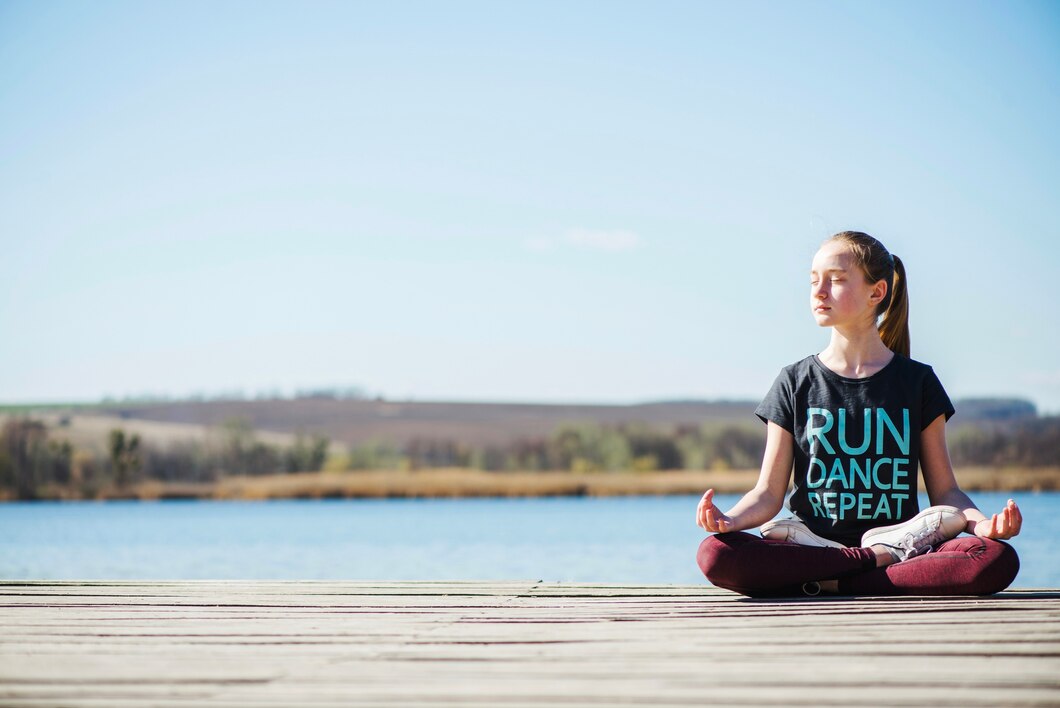
Anxiety has become an increasingly common challenge in today’s fast-paced world. Many individuals are seeking natural and effective ways to manage stress, restore balance, and improve overall mental health. One approach that has gained significant attention from researchers and mental health professionals alike is meditation practices for anxiety. Meditation is a practice that not only helps to calm the mind but also fosters mental clarity, emotional resilience, and overall well-being. By incorporating meditation into daily routines, individuals can experience profound benefits in reducing anxiety and cultivating mental calm.
The science behind meditation for anxiety is compelling. Numerous studies have shown that consistent meditation practice can decrease stress hormone levels, lower heart rate, and reduce symptoms of generalized anxiety disorder. Moreover, meditation enhances the brain’s ability to regulate emotions, improving one’s response to stressful situations. Whether through mindfulness-based techniques, guided meditations, or structured programs, meditation has become a cornerstone in anxiety relief and mental health promotion.
Understanding Anxiety and Its Impact
Anxiety is more than occasional worry or stress—it is a pervasive mental health concern that can interfere with daily life. Symptoms often include:
- Persistent worry and fear
- Difficulty concentrating
- Restlessness or irritability
- Muscle tension and physical discomfort
- Sleep disturbances
These symptoms can negatively affect relationships, work performance, and overall quality of life. Traditional treatments often include therapy, medication, or lifestyle changes, but many individuals seek complementary strategies that provide a sense of control and relaxation. This is where meditation techniques for stress and anxiety relief can play a transformative role.
How Meditation Helps with Anxiety
Meditation is a mind-body practice that encourages present-moment awareness and reduces the tendency to ruminate on negative thoughts. Its effects on anxiety relief are multifaceted:
- Reducing Physiological Stress Responses
Meditation slows down the heart rate, lowers blood pressure, and reduces cortisol levels. These physical changes counteract the fight-or-flight response triggered by anxiety. - Enhancing Emotional Regulation
Regular meditation strengthens brain areas associated with emotional regulation, helping individuals respond calmly rather than react impulsively to stressful events. - Promoting Mental Calm
Practices such as mindfulness meditation for anxiety foster a sense of inner peace and mental clarity, enabling individuals to navigate life’s challenges with a calmer mindset. - Improving Sleep and Relaxation
Meditation for relaxation helps quiet racing thoughts and creates an environment conducive to restorative sleep, which is essential for mental health and anxiety management.
Science-Backed Meditation Methods for Anxiety Relief
Several meditation methods have been extensively studied for their efficacy in anxiety reduction:
1. Mindfulness Meditation
Mindfulness meditation focuses on present-moment awareness and non-judgmental observation of thoughts and feelings. Research indicates that mindfulness meditation for anxiety can:
- Reduce rumination and worry
- Increase emotional resilience
- Improve focus and attention
Practice Tip: Sit comfortably, close your eyes, and focus on your breath. Notice thoughts as they arise without judgment, gently returning your attention to your breath each time your mind wanders.
2. Guided Meditation for Anxiety
Guided meditation involves following instructions from a teacher, recording, or app, which can include visualizations, body scans, or affirmations. Guided meditations are particularly helpful for beginners or those who struggle with racing thoughts.
Benefits of Guided Practices:
- Provides structure and direction
- Reduces anxiety during meditation
- Enhances relaxation and mental clarity
You can find a variety of guided meditations through mental health programs, therapist directories, or dedicated meditation apps.
3. Loving-Kindness Meditation (Metta)
Loving-kindness meditation helps develop compassion while nurturing warmth, empathy, and positive feelings toward both yourself and others. Studies have shown that practicing Metta meditation can decrease social anxiety and increase emotional well-being.
Practice Tip: Begin by silently repeating phrases like, “May I be safe. May I be happy. Repeat affirmations such as “May I be well,” then slowly expand these intentions to include loved ones, acquaintances, and ultimately every living being.
4. Body Scan Meditation
Body scan meditation involves systematically focusing attention on different parts of the body, observing sensations without judgment. This practice encourages relaxation, reduces tension, and promotes self-awareness.
How It Works: Lie down comfortably and slowly bring awareness to each body part, from the toes to the head, noticing sensations, tightness, or discomfort.
5. Breath-Focused Meditation
Breath-focused meditation is a simple yet powerful method for calming the mind. By paying attention to inhalation and exhalation, individuals can shift their focus away from anxious thoughts.
Practice Tip: Inhale deeply for a count of four, hold for a count of four, exhale for a count of four, and pause for four. Repeat for several minutes to induce relaxation.
Incorporating Meditation into Daily Life
Consistency is key to experiencing the benefits of meditation for anxiety. Here are practical tips to integrate meditation into your daily routine:
- Start Small: Begin with 5–10 minutes per day and gradually increase.
- Create a Dedicated Space: Choose a quiet, comfortable location for meditation.
- Combine with Mindful Activities: Incorporate meditation into yoga, walking, or journaling.
- Use Guided Tools: Apps, online programs, or therapist directories can provide structure and support.
- Track Your Progress: Journaling your experience helps reinforce the habit and notice improvements in anxiety levels.
Mental Health Programs and Therapist Support
While meditation can be practiced independently, combining it with professional guidance amplifies its effects. Many mental health programs now include structured meditation training as part of holistic care. Therapist directories often list professionals specializing in anxiety management who can provide personalized meditation guidance, stress management strategies, and emotional support.
Meditation Practices for Mental Calm
Mental calm meditation emphasizes quieting the mind, reducing emotional turbulence, and cultivating inner peace. Techniques include:
- Focused Attention Meditation: Concentrate on a single object, thought, or mantra to reduce distraction and anxiety.
- Visualization Techniques: Imagine a peaceful scene to evoke relaxation and calm.
- Progressive Muscle Relaxation: Combine meditation with muscle relaxation to release physical and mental tension.
Consistent practice of these techniques enhances emotional resilience, improves focus, and promotes a balanced mental state.
Meditation for Relaxation and Stress Management
Relaxation is a critical component of anxiety relief. Meditation for relaxation involves deliberate slowing down of the mind and body, helping to reset the nervous system. Techniques include:
- Deep Breathing Exercises: Slows heart rate and promotes calmness.
- Guided Imagery: Uses mental visualization to reduce stress and anxiety.
- Yoga Nidra: A form of guided relaxation that brings deep mental and physical rest.
These methods are highly effective when combined with daily routines or evening mindfulness practices.
How to Relieve Anxiety Naturally with Meditation
Meditation offers a natural alternative to pharmaceutical interventions for anxiety. Natural anxiety relief strategies include:
- Establishing a consistent meditation routine
- Practicing mindfulness throughout the day
- Engaging in guided meditation for anxiety when stressed
- Combining meditation with physical activity or yoga
- Utilizing mental health programs or therapist support for guidance
By embracing these strategies, individuals can develop long-term coping skills and reduce dependency on external interventions.
Meditation for Mental Clarity and Focus
Anxiety often clouds judgment, reduces attention span, and hampers decision-making. Meditation for mental clarity sharpens cognitive function, improves concentration, and enhances problem-solving abilities. Techniques include:
- Focused attention meditation
- Mindfulness practices for awareness and presence
- Journaling after meditation to process thoughts and feelings
Mental clarity not only improves productivity but also fosters emotional balance, reducing the likelihood of anxiety spirals.
Calming Meditation Practices for Everyday Life
Incorporating calming meditation practices into everyday routines can transform how one responds to stress. Recommended strategies include:
- Morning Mindfulness: Start the day with a 5–10 minute meditation session to set a calm tone.
- Workplace Meditation: Short breaks during work can reduce tension and enhance productivity.
- Evening Relaxation: Evening meditation promotes restorative sleep and emotional balance.
- Mindful Walking: Combine movement with meditation to enhance body-mind awareness.
These practices, when performed consistently, create a buffer against anxiety and enhance overall mental calm.
Choosing the Right Meditation Technique
Selecting a meditation practice depends on individual needs and lifestyle. Consider the following:
- Beginners: Guided meditation or breath-focused techniques are ideal.
- High Anxiety Levels: Mindfulness meditation and progressive muscle relaxation are effective.
- Desire for Emotional Growth: Loving-kindness meditation enhances compassion and reduces social anxiety.
- Physical Tension: Body scan meditation or yoga-based meditation relieves muscular tension.
Consulting a therapist or exploring mental health programs can help identify the most suitable practices.
Combining Meditation with Lifestyle Changes
For maximum impact, meditation should be part of a holistic approach to anxiety relief. Complementary lifestyle strategies include:
- Regular physical activity
- Balanced diet and hydration
- Adequate sleep and rest
- Limiting stimulants such as caffeine and alcohol
- Engaging in hobbies and creative outlets
When combined with meditation, these habits create a supportive environment for mental calm and emotional well-being.
Online Resources and Therapist Directories
Modern technology makes meditation accessible through apps, online courses, and virtual therapy sessions. Platforms offering guided meditation for anxiety and mental health support include:
- Meditation and mindfulness apps
- Online mental health programs
- Therapist directories offering meditation guidance and stress management strategies
These resources help individuals integrate meditation into their lives while receiving professional support as needed.
Frequently Asked Questions (FAQs)
Q1: How often should I meditate to reduce anxiety?
A: Even 10–20 minutes daily can provide significant benefits. Consistency is more important than duration.
Q2: Can meditation replace therapy or medication?
A: Meditation is a complementary tool. Severe anxiety may require therapy or medication in addition to meditation.
Q3: Which meditation technique is best for beginners?
A: Guided meditation and breath-focused techniques are excellent starting points.
Q4: How long before I notice benefits?
A: Many individuals notice improvement within a few weeks of regular practice, though consistency over months yields stronger results.
Conclusion
Meditation is a powerful, natural tool for managing anxiety and cultivating mental calm. By engaging in mindfulness meditation for anxiety, guided meditation for anxiety, and other calming meditation practices, individuals can reduce stress, improve emotional regulation, and enhance mental clarity. Incorporating meditation into daily routines, supported by science-backed methods, mental health programs, and therapist directories, creates a sustainable path to anxiety relief and overall well-being.
Whether you are a beginner or an experienced practitioner, the key is consistency and intention. Meditation for mental calm not only helps reduce anxiety but also fosters a deeper connection with oneself, leading to a more balanced, focused, and peaceful life. Start small, explore different techniques, and embrace the transformative power of meditation for mental clarity, relaxation, and long-term anxiety relief.
About the Author