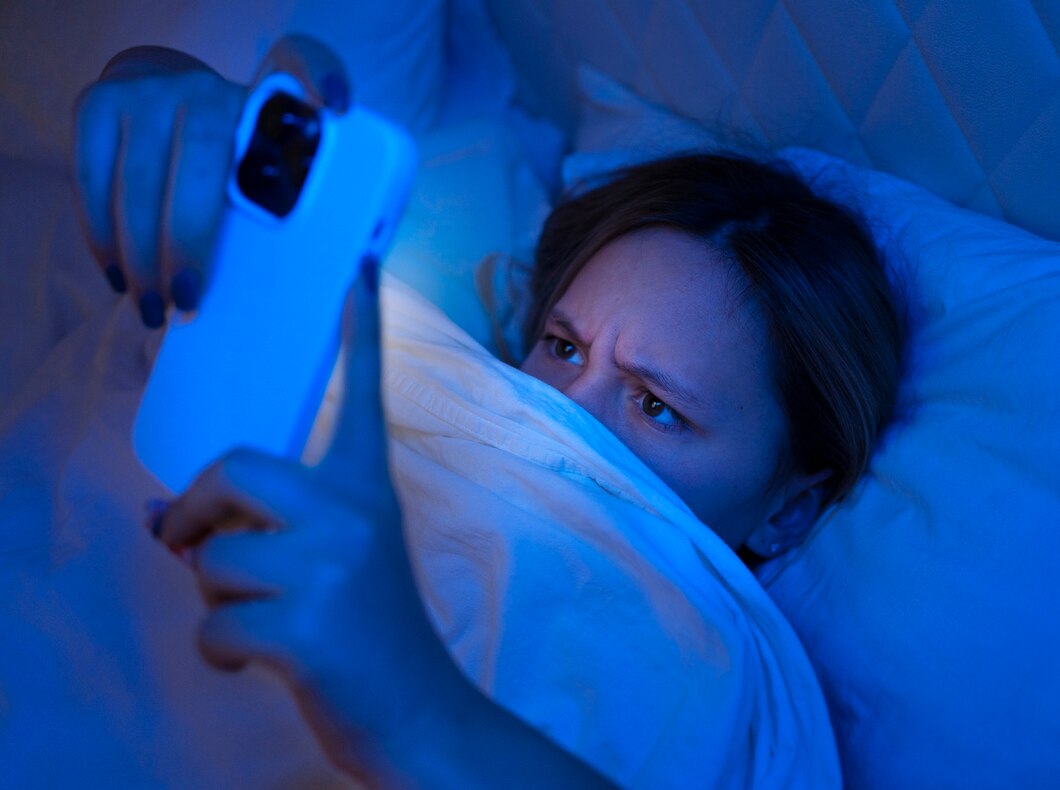
In today’s digital world, screens are everywhere—from smartphones and laptops to tablets and televisions. While these devices make life convenient, they also expose us to a specific type of light that can significantly influence our sleep. Many people don’t realize how strongly blue light affects sleep and interferes with the body’s natural rest patterns. Research shows that blue light and sleep quality are closely connected because exposure to blue wavelengths in the evening can alter the body’s internal clock. Understanding how blue light affects sleep quality, the relationship between the blue light sleep cycle, and the role of blue light and circadian rhythm can help you improve nightly rest. The impact of blue light on sleep becomes especially noticeable when people use digital devices late at night, leading to blue light exposure before bed, which can contribute to blue light disrupting sleep, poor rest, and long-term fatigue.
This comprehensive guide explores the science behind blue light, its effect on sleep patterns, and practical ways to protect your sleep from digital disruption.
Understanding Blue Light and Where It Comes From
Blue light is a part of the visible light spectrum and is naturally present in sunlight. During the day, blue light helps keep us alert, improves mood, and supports cognitive function. However, artificial sources of blue light—especially those from digital screens—can become problematic when exposure happens late in the evening.
Common sources of blue light include:
- Smartphones
- Tablets
- Laptop and desktop screens
- LED lighting
- Televisions
- Gaming consoles
The problem arises because modern lifestyles involve constant interaction with these devices. Many people spend hours scrolling through social media, watching videos, or working late on laptops. This increased blue light from screens and sleep interference is one of the main reasons sleep quality has declined for many individuals in recent years.
When screens emit blue wavelengths in the evening, they trick the brain into thinking it is still daytime. As a result, the body struggles to transition into sleep mode. This is one of the key reasons experts highlight the impact of blue light from screens before bedtime as a growing health concern.
The Connection Between Blue Light and Circadian Rhythm
Your body operates on a natural internal clock known as the circadian rhythm. This biological system regulates sleep, wakefulness, hormone release, body temperature, and metabolism. The circadian rhythm relies heavily on light signals from the environment.
The relationship between blue light and circadian rhythm is particularly important. During the daytime, exposure to sunlight helps maintain a healthy rhythm by signaling to the brain that it is time to stay awake and active. As evening approaches and natural light fades, the body begins preparing for rest.
However, artificial lighting and screens interfere with this process. Excessive blue light exposure before bed sends mixed signals to the brain, delaying the body’s natural preparation for sleep.
This is why the blue light sleep cycle can become misaligned when people use digital devices late at night. Instead of winding down, the brain stays stimulated and alert, making it difficult to fall asleep.
Over time, this disruption can lead to irregular sleep patterns, fatigue, and reduced sleep quality.
Blue Light and Melatonin Production
Melatonin is a hormone responsible for regulating sleep. Often called the “sleep hormone,” melatonin signals to the body that it is time to rest. Normally, melatonin production begins increasing in the evening as darkness sets in.
However, the relationship between blue light and melatonin production is critical. Blue light suppresses melatonin release, which delays sleep onset and keeps the brain in an alert state.
This explains why blue light disrupts the natural sleep cycle. When the brain receives blue light signals late at night, it interprets them as daylight, preventing melatonin from being released.
The result is:
- Difficulty falling asleep
- Reduced sleep duration
- Poor sleep quality
- Increased nighttime wakefulness
These issues highlight the serious impact of blue light on sleep, especially for people who frequently use phones or computers before bedtime.
How Blue Light Disrupts the Natural Sleep Cycle
The body’s natural sleep cycle depends on a consistent pattern of light and darkness. When this balance is disrupted, sleep problems can occur.
Several mechanisms explain how blue light affects sleep quality and disrupts healthy sleep cycles.
1. Delayed Sleep Onset
When people are exposed to screens late at night, the brain remains stimulated. The effects of blue light on sleep patterns include delayed sleep onset, meaning it takes longer to fall asleep.
2. Reduced REM Sleep
Deep sleep and REM sleep are crucial for cognitive function, emotional regulation, and memory consolidation. However, blue light disrupting sleep can reduce the amount of REM sleep you get.
3. Fragmented Sleep
People exposed to excessive blue light from screens and sleep disturbances often experience more awakenings during the night.
4. Shorter Sleep Duration
Because melatonin release is delayed, individuals often go to bed later but still wake up early due to work or school schedules. This leads to chronic sleep deprivation.
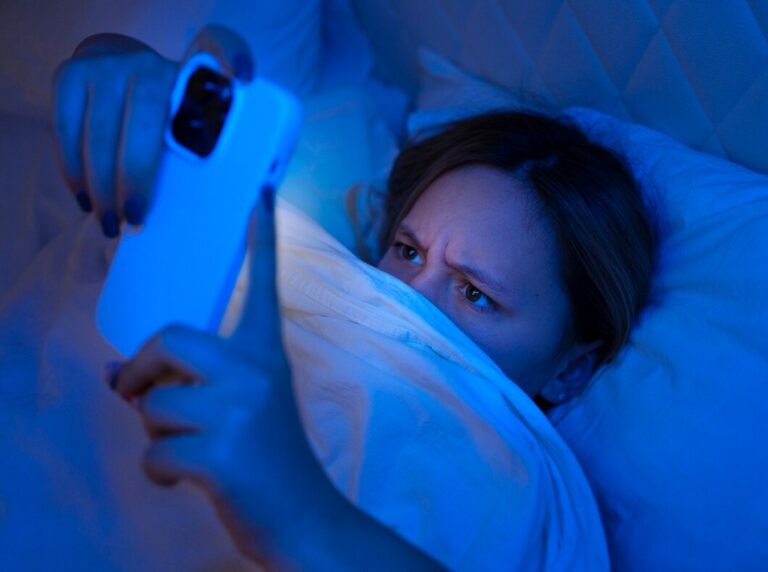
How Phone Blue Light Affects Sleep at Night
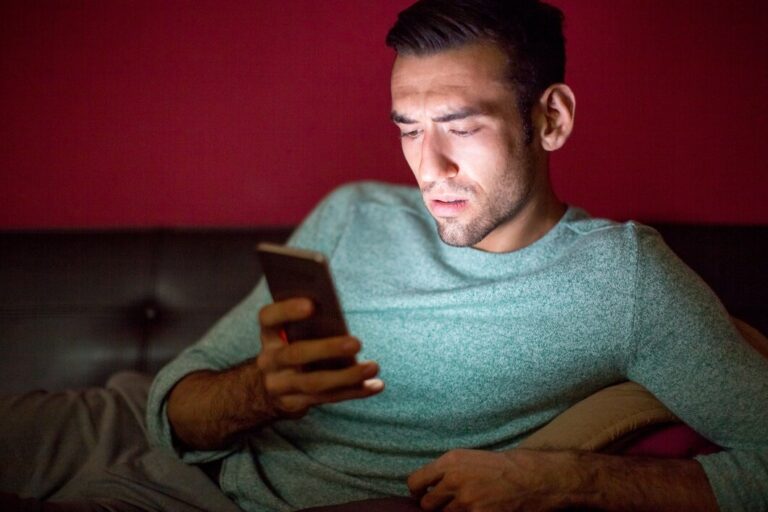
Smartphones are among the most common sources of nighttime blue light exposure. Many people check their phones before sleeping or keep them nearby throughout the night.
Understanding how phone blue light affects sleep at night is essential because smartphones are often used just inches from the face, delivering concentrated blue light directly to the eyes.
Common habits that worsen the problem include:
- Scrolling social media in bed
- Watching videos late at night
- Reading from phone screens
- Responding to messages after lights out
These habits increase blue light exposure before bed, making it harder for the body to relax.
As a result, digital devices and sleep disruption have become closely linked. Studies suggest that people who use smartphones right before bed take longer to fall asleep and experience poorer sleep quality.
Effects of Blue Light on Sleep Patterns
Sleep patterns refer to the timing, duration, and quality of sleep cycles. When blue light interferes with the body’s internal clock, these patterns can become irregular.
The effects of blue light on sleep patterns may include:
- Difficulty falling asleep
- Late sleep schedules
- Daytime fatigue
- Reduced productivity
- Mood changes
Over time, these disturbances can affect mental health, cognitive performance, and overall wellbeing.
For example, people who experience frequent blue light and insomnia symptoms may find themselves lying awake for long periods despite feeling tired.
Blue Light and Insomnia
Insomnia is one of the most common sleep disorders worldwide, and digital habits play a growing role in its development.
The connection between blue light and insomnia occurs because prolonged evening screen use interferes with melatonin production and circadian rhythm.
Symptoms of blue light–related insomnia may include:
- Trouble falling asleep
- Frequent nighttime awakenings
- Early morning wakeups
- Feeling unrefreshed after sleep
People who regularly use devices late at night may not immediately recognize the connection between their screen habits and sleep problems.
However, reducing blue light exposure before bed often leads to noticeable improvements in sleep quality.
Impact of Blue Light From Screens Before Bedtime
Even short periods of screen use before bedtime can affect sleep patterns. Research suggests that exposure to blue light in the hour before sleep can delay melatonin production by up to several hours.
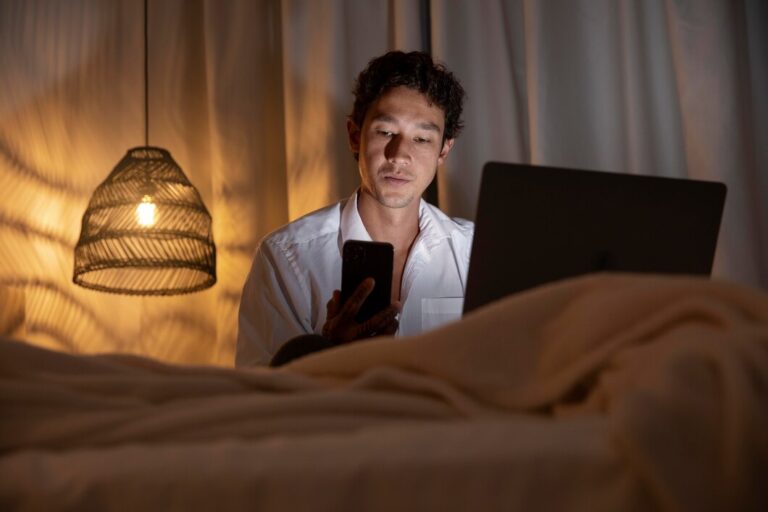
The impact of blue light from screens before bedtime is especially strong when screens are used in dark environments. Without other light sources present, the blue light from devices becomes more dominant.
This is why experts recommend limiting screen time before bed.
Some common nighttime screen activities include:
- Streaming shows
- Playing video games
- Checking emails
- Reading online articles
While these habits may seem harmless, they contribute significantly to digital devices and sleep disruption.
Long-Term Impact of Blue Light on Sleep
The long-term impact of blue light on sleep extends beyond occasional fatigue. Chronic sleep disruption can affect both physical and mental health.
Potential long-term consequences include:
1. Reduced Cognitive Performance
Poor sleep affects memory, attention, and decision-making abilities.
2. Increased Stress and Anxiety
Sleep disruption can increase cortisol levels, leading to higher stress.
3. Weakened Immune Function
Sleep is essential for immune system regulation.
4. Mood Disorders
Sleep deprivation is linked to depression and emotional instability.
Because of these risks, understanding how blue light affects sleep quality is essential for maintaining overall health.
Digital Devices and Sleep Disruption in Modern Life
Today, digital devices are deeply integrated into daily routines. Many people work on screens during the day and continue using them for entertainment at night.
This constant exposure has made digital devices and sleep disruption a major public health concern.
Common modern habits include:
- Working late on laptops
- Watching streaming services before bed
- Using smartphones in the dark
- Gaming late into the night
These activities increase blue light from screens and sleep interference, making it difficult for the body to follow natural rhythms.
As technology continues evolving, awareness of blue light’s effects becomes increasingly important.
Who Is Most Affected by Blue Light Sleep Disruption?
While anyone can experience sleep disruption from blue light, certain groups are particularly vulnerable.
Teenagers and Young Adults
Young people often spend significant time on social media and digital entertainment late at night.
Remote Workers
People working remotely may use screens for longer hours.
Night Owls
Individuals who naturally stay up late may rely heavily on nighttime device use.
Gamers
Gaming sessions often extend late into the night, increasing exposure to artificial blue light.
For these groups, understanding the blue light sleep cycle can help them develop healthier routines.
How to Reduce Blue Light Exposure Before Bed
Fortunately, there are several effective strategies to reduce blue light exposure before bed and protect sleep quality.
1. Limit Screen Time Before Bed
Experts recommend avoiding screens for at least one hour before bedtime.
2. Use Night Mode or Blue Light Filters
Many devices offer built-in night modes that reduce blue light emissions.
3. Wear Blue Light Blocking Glasses
Special lenses can filter out blue wavelengths.
4. Adjust Lighting at Night
Use warm, dim lighting instead of bright LED lights.
5. Establish a Screen-Free Bedtime Routine
Activities like reading a book, journaling, or meditation help prepare the body for sleep.
These habits can reduce blue light disrupting sleep and improve nightly rest.
Healthy Alternatives to Nighttime Screen Use
Replacing nighttime screen habits with relaxing activities can improve sleep quality.
Good alternatives include:
- Reading physical books
- Practicing meditation
- Stretching or light yoga
- Listening to calming music
- Writing in a journal
These activities help the brain relax and support natural melatonin production.
By replacing digital habits with calming routines, you reduce digital devices and sleep disruption and encourage healthier sleep patterns.
The Future of Blue Light Awareness
As technology continues to advance, awareness about blue light’s impact on sleep is growing. Many tech companies are introducing features designed to reduce nighttime exposure.
Examples include:
- Automatic night mode settings
- Blue light filter apps
- Smart lighting systems
- Screen time monitoring tools
These innovations aim to reduce the negative impact of blue light from screens before bedtime while still allowing people to use technology responsibly.
However, personal habits still play the most important role in protecting sleep health.
Conclusion
Sleep is one of the most important factors for overall health, yet modern lifestyles often interfere with it. The relationship between blue light and sleep quality has become increasingly important as digital devices dominate daily life.
Understanding how blue light affects sleep quality, the connection between blue light and circadian rhythm, and the role of blue light and melatonin production helps explain why nighttime screen use can lead to sleep disruption.
The impact of blue light on sleep is especially noticeable when people experience blue light exposure before bed, which contributes to blue light disrupting sleep, irregular sleep patterns, and fatigue. Additionally, the growing presence of smartphones highlights how phone blue light affects sleep at night, making it harder for many individuals to maintain healthy rest routines.
Fortunately, small lifestyle changes—such as limiting screen use at night, using blue light filters, and developing relaxing bedtime routines—can significantly improve sleep quality.
By becoming more aware of the effects of blue light on sleep patterns and reducing digital devices and sleep disruption, individuals can restore their natural sleep cycle and enjoy deeper, more restorative rest every night.
About the Author