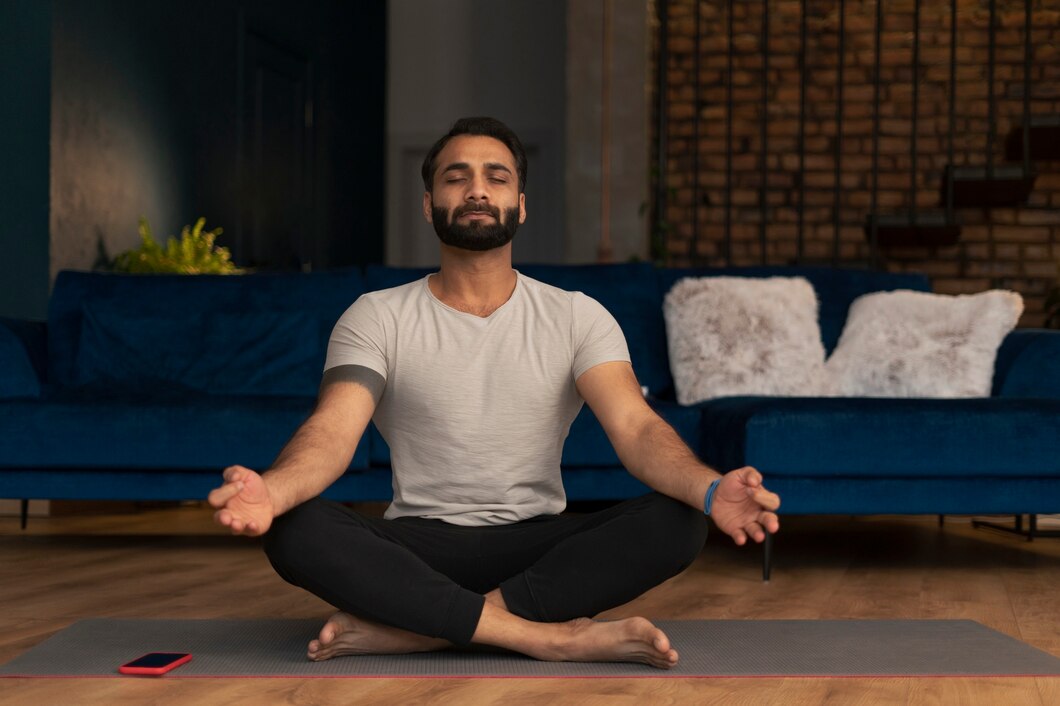
In today’s fast-paced professional environment, mindfulness for stress relief has become an essential tool for managing the pressures of work. After long hours of meetings, emails, and deadlines, professionals often find themselves mentally exhausted, unable to switch off, and struggling with tension that seeps into their personal lives. Fortunately, mindfulness practices and evening routines designed for relaxation can significantly improve well-being, mental clarity, and productivity. Integrating mindfulness techniques for stress into your post-work life is no longer just a luxury—it’s a necessity for sustaining a healthy work-life balance.
Whether you are seeking stress relief after work, exploring wellness courses + coaching, or simply looking for after work relaxation tips, creating intentional routines around mindfulness can help you reset and recharge. In this article, we’ll explore practical strategies, expert-backed exercises, and actionable tips to cultivate a mindful evening routine that supports mental wellness and personal growth.
Understanding Stress in the Modern Workplace
Before diving into mindfulness practices, it’s important to understand why workplace stress relief is so crucial. Research shows that chronic stress can lead to physical issues such as headaches, fatigue, and sleep disturbances, as well as mental health challenges including anxiety, burnout, and decreased focus. Professionals often struggle with the inability to disconnect from work even after hours, leading to a vicious cycle of stress accumulation.
Mindful stress reduction techniques target both the mind and body, promoting relaxation and awareness. By recognizing stress triggers, acknowledging them without judgment, and intentionally shifting focus, individuals can develop resilience and regain control over their mental well-being.
The Science Behind Mindfulness and Stress Relief
Practicing mindfulness is about noticing the present moment with openness, curiosity, and non-judgmental acceptance. It’s not about escaping stress but engaging with it in a way that reduces its intensity. Studies have found that mindfulness can:
- Lower cortisol levels (the body’s stress hormone)
- Reduce anxiety and depression
- Improve focus and cognitive function
- Enhance emotional regulation
For professionals seeking how to relax after work, mindfulness provides practical tools to transition from high-pressure work hours to restful, rejuvenating evenings.
Evening Routines for Professionals: Why They Matter
An evening mindfulness routine sets the tone for rest and recovery. By dedicating even 15–30 minutes to mindful practices, you signal to your mind and body that the workday is over, creating a natural boundary between professional responsibilities and personal life. Key components of a mindful evening routine include:
- Mindful breathing for stress relief
- Gentle mindful relaxation exercises
- Journaling or reflection
- Light physical activity like yoga or stretching
- Reducing screen time before bed
Such routines are the backbone of self-care routines for stress relief, helping professionals manage their energy and mental state consistently.
Practical Mindfulness Techniques for Stress
Here’s a breakdown of effective mindfulness practices to relieve stress after work:
1. Mindful Breathing for Stress Relief
One of the simplest and most effective techniques, mindful breathing involves focusing attention on your breath to anchor yourself in the present moment. Steps:
- Sit or lie down comfortably.
- Close your eyes and take a deep breath through your nose, counting to four.
- Take a deep breath, pause for four seconds, and then exhale gently for six seconds.
- Repeat for 5–10 minutes, focusing solely on the rhythm of your breath.
This practice immediately lowers stress and promotes mental clarity, making it perfect for transitioning from work mode to personal time.
2. Body Scan Meditation
Mindful relaxation exercises like body scans help release tension stored in the muscles. Steps:
- Lie down comfortably and close your eyes.
- Bring awareness to each part of your body, starting from your toes and moving up to your head.
- Notice any areas of tension without judgment, and breathe into them.
- Imagine stress melting away with each exhale.
Body scans are ideal for unwinding after long periods of sitting or high-stress tasks.
3. Mindful Walking
If you prefer gentle movement, mindful walking can be a grounding activity. Pay attention to each step, the feeling of your feet touching the ground, and your surroundings. This combines light exercise with mental wellness after work, reducing both physical and mental fatigue.
4. Journaling and Reflection
Writing down thoughts and experiences encourages mental clarity. Consider:
- Listing moments of gratitude
- Noting stressful events and how you felt
- Reflecting on solutions or lessons
Journaling is an effective way to process the day and detach from lingering work stress.
After Work Relaxation Tips for Busy Professionals
Even small adjustments to your evening routine can have a huge impact on stress management for professionals. Here are some practical tips:
- Set boundaries: Establish a clear end-of-work time and avoid checking emails afterward.
- Digital detox: Reduce exposure to screens to lower mental stimulation and support natural relaxation.
- Create a calming environment: Soft lighting, aromatherapy, or relaxing music can enhance your mindful stress reduction practice.
- Engage in hobbies: Creative activities like drawing, reading, or cooking allow for mindful focus and enjoyment.
Wellness Courses + Coaching: Guided Support for Stress Relief
For those seeking structured support, wellness courses + coaching can provide guidance and accountability. Programs often include:
- Personalized mindfulness routines
- Stress assessment and management plans
- Professional guidance for evening routines for professionals
- Workshops on mindfulness techniques for stress and resilience building
Investing in a wellness course or coach can accelerate your progress, helping you develop sustainable habits that extend beyond your workday.
Mindful Stress Reduction: Combining Practices for Maximum Effect
For optimal after work relaxation, consider combining multiple techniques into a cohesive evening routine:
- Start with mindful breathing (5–10 minutes)
- Engage in a body scan or gentle yoga (10–15 minutes)
- Reflect in a journal (5–10 minutes)
- Enjoy a calming hobby or creative activity
- Wind down with a digital detox before bed
Consistency is key. Over time, these routines help lower overall stress, improve sleep, and enhance emotional resilience.
Mindfulness Practices for Mental Wellness After Work
Incorporating mindfulness into your evenings has long-term benefits for mental wellness after work. Some daily practices include:
- Mindful eating: Pay attention to flavors, textures, and sensations during meals.
- Gratitude practice: Reflect on positive moments of the day.
- Progressive muscle relaxation: Sequentially tense and release muscles to reduce tension.
- Visualization: Imagine a peaceful setting to calm the mind before sleep.
These practices strengthen emotional awareness and reduce the physiological effects of stress.
Self-Care Routines for Stress Relief: Small Steps, Big Impact
Even brief moments of self-care contribute to stress relief after work:
- Morning preparation: Organize the next day to reduce evening stress.
- Hydration and nutrition: Eating well-balanced meals helps maintain energy levels.
- Scheduled downtime: Block out at least 30–60 minutes for unwinding.
- Connection: Spending quality time with loved ones enhances emotional well-being.
Mindful relaxation exercises embedded in daily life help professionals create a sustainable balance between productivity and personal well-being.
Case Study: A Day in the Life of a Mindful Professional
Consider a typical professional following a mindful evening routine:
- 6:00 PM: Leaves office and engages in mindful walking for 15 minutes.
- 6:30 PM: Practices mindful breathing for stress relief.
- 6:45 PM: Performs light stretching and body scan meditation.
- 7:15 PM: Journals or reflects on the day, noting achievements and lessons.
- 7:30 PM: Enjoys a hobby or creative activity, free from digital distractions.
- 8:30 PM: Engages in a final mindfulness practice or gratitude reflection before preparing for sleep.
This routine supports stress management for professionals, ensuring mental clarity, relaxation, and readiness for the next day.
Common Challenges and How to Overcome Them
Many professionals face obstacles when starting mindfulness practices to relieve stress after work:
- Lack of time: Begin with just 5 minutes and gradually increase.
- Difficulty focusing: Use guided meditations or apps to stay on track.
- Consistency issues: Integrate mindfulness into existing habits, like after dinner or before bedtime.
- Skepticism: Track mood and stress levels over a few weeks to witness tangible benefits.
Tools and Resources to Enhance Your Mindful Evening Routine
To support your evening mindfulness routine, consider these tools:
- Meditation apps for guided practice
- Mindfulness journals and planners
- Aromatherapy or calming teas
- Yoga mats and online wellness courses
- Stress relief workshops or wellness courses + coaching
These resources make it easier to stay consistent and motivated.
Long-Term Benefits of Mindfulness for Professionals
Implementing mindfulness as part of your daily routine has lasting effects:
- Improved focus and productivity at work
- Reduced risk of burnout
- Enhanced emotional regulation and resilience
- Better sleep quality
- Stronger personal relationships
By prioritizing self-care routines for stress relief and mindful relaxation, professionals gain sustainable mental and physical well-being.
Conclusion
The modern work environment demands a proactive approach to stress relief after work. Incorporating mindfulness techniques for stress, establishing an evening mindfulness routine, and engaging in wellness courses + coaching empower professionals to navigate daily pressures with clarity and composure.
By dedicating intentional time to mindful stress reduction, after work relaxation tips, and self-care routines for stress relief, you can transform evenings into a period of rejuvenation, fostering mental wellness, resilience, and overall life satisfaction.
Mindfulness is more than a tool—it’s a lifestyle that helps professionals unplug and reset, ensuring that work stress does not encroach upon personal peace. Whether it’s mindful breathing for stress relief, journaling, yoga, or guided meditation, consistent practice can lead to profound improvements in well-being and life balance. Begin today, one mindful moment at a time, and reclaim your evenings for rest, reflection, and renewal.
About the Author