If you want to stop comparing yourself on social media and break free from the constant pressure of measuring your life against others, this guide will help you understand the psychology behind it and provide practical, real-life strategies to regain confidence. Many people struggle with social media comparison habits, constantly trying to avoid comparing themselves online, yet still falling into the trap of comparison on social media every time they scroll. In this in-depth guide, we will explore how to stop comparing yourself to others on social media, the emotional triggers behind it, and ways to stop social media comparison anxiety while rebuilding self-esteem and mental peace.
Why Do We Compare Ourselves on Social Media?
Understanding why we compare ourselves on social media is the first step toward healing.
Humans are naturally wired for comparison. It is part of our survival instinct. We evaluate ourselves based on others to understand where we stand socially, emotionally, and financially. However, social media amplifies this instinct in unhealthy ways.
Key reasons include:
- Curated highlight reels of other people’s lives
- Constant exposure to success, beauty, and wealth
- Algorithm-driven content that keeps you engaged
- Fear of missing out (FOMO)
This creates a cycle of social media jealousy, insecurity, and self-doubt.
Psychology of Social Media Comparison
The psychology of social media comparison is deeply rooted in behavioral science. Social platforms are designed to trigger emotional responses that keep you engaged longer.
Here’s what happens in your brain:
- Dopamine spikes when you see exciting content
- Self-evaluation kicks in automatically
- You compare your “real life” with others’ “highlight reel”
- You feel inadequate or behind
This is why comparison and self-doubt grow stronger the more time you spend online.
Effects of Social Media Comparison
The effects of social media comparison can be subtle at first but grow over time.
Emotional effects:
- Anxiety and stress
- Low mood or sadness
- Feeling “not good enough”
Behavioral effects:
- Overthinking your appearance or achievements
- Constantly checking likes and followers
- Avoiding posting due to fear of judgment
Long-term effects:
- Reduced self-worth
- Dependency on external validation
- Increased low self-esteem from social media
Impact of Social Media on Self-Esteem
The impact of social media on self-esteem is significant, especially among teens and young adults.
When you constantly see idealized lifestyles, your brain starts to believe:
- “Everyone is doing better than me”
- “My life is boring”
- “I am not successful enough”
This leads to social media and confidence issues, where your self-worth becomes dependent on digital approval.
Social Media and Mental Health
The connection between how social media affects mental health is well documented.
Excessive use can lead to:
- Anxiety disorders
- Depression symptoms
- Emotional exhaustion
- Social isolation
When combined with comparison habits, it creates a toxic loop of mental health and social media use challenges.
Signs of Unhealthy Social Media Use
Before learning how to stop comparing yourself to others on social media, it’s important to recognize warning signs.
Common signs of unhealthy use:
- Feeling anxious after scrolling
- Checking apps first thing in the morning
- Feeling insecure on Instagram or TikTok
- Constantly comparing lifestyle, looks, or success
- Feeling bad after using social media
These are clear indicators of social media anxiety and emotional dependency.
Social Media Comparison Habits
Most people don’t realize they develop social media comparison habits over time.
These include:
- Comparing your body to influencers
- Measuring success through followers
- Comparing relationships or vacations
- Feeling behind in life milestones
These habits are automatic, which is why learning to break them is essential.
How Social Media Affects Mental Health
Understanding how social media affects mental health helps you take control.
Social media:
- Distorts reality
- Encourages perfectionism
- Increases emotional sensitivity
- Triggers self-criticism
When you constantly consume filtered content, your mind starts rejecting your real life as “not enough.”
How to Stop Comparing Yourself to Others on Social Media
Now let’s focus on practical solutions for how to stop comparing yourself to others on social media.
1. Recognize the Comparison Trigger
The first step is awareness.
Ask yourself:
- What triggers my comparison?
- Is it Instagram influencers, friends, or celebrities?
Once you identify triggers, you can control exposure.
2. Limit Screen Time
Reducing time online is one of the most effective ways to stop social media comparison anxiety.
Try:
- Setting daily app limits
- Taking screen-free breaks
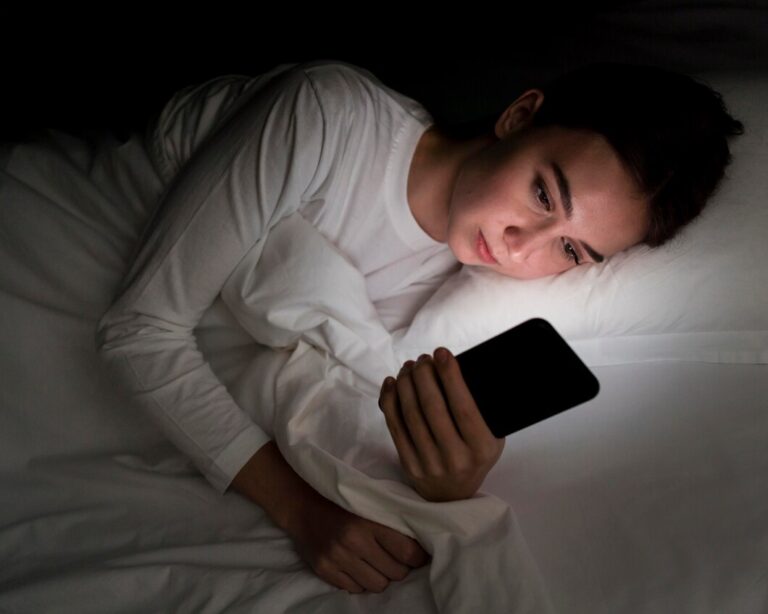
- Avoiding scrolling before bed
Less exposure = less comparison.
3. Curate Your Feed
To reduce comparison on social media, curate what you consume.
Unfollow accounts that:
- Make you feel insecure
- Promote unrealistic lifestyles
- Trigger jealousy or self-doubt
Follow accounts that inspire and educate instead.
4. Focus on Real Life Achievements
One powerful way to build confidence and stop social comparison is shifting focus back to real life.
Start tracking:
- Personal growth
- Skills you are developing
- Small daily wins
Your real life matters more than online validation.
5. Understand That Social Media Is Not Reality
Most people only show:
- Highlights
- Edited photos
- Success moments
No one posts failures or struggles regularly. Remembering this reduces social media jealousy.
6. Practice Gratitude Daily
Gratitude helps break the cycle of comparison.
Write down:
- 3 things you are grateful for
- 1 thing you achieved today
This shifts focus from lack to abundance.
7. Take Social Media Detox Breaks
A digital detox is powerful for reducing social media anxiety.
Even:
- 1 day offline per week
- Weekend breaks
- Evening offline hours
can significantly improve mental clarity.
8. Stop Measuring Your Worth by Likes
Likes are not equal to value.
To stop feeling bad after using social media, remind yourself:
- Engagement ≠ self-worth
- Popularity ≠ happiness
- Followers ≠ success
9. Build Offline Confidence
Confidence grows outside the screen.
Try:
- Learning a new skill
- Exercising regularly
- Meeting people in real life
- Pursuing hobbies
This reduces dependency on online validation.
10. Challenge Negative Thoughts
When comparison thoughts arise, challenge them:
- “Is this comparison fair?”
- “Do I know their full story?”
- “Am I ignoring my own progress?”
This helps reduce comparison and self-doubt.
11. Stop Doom Scrolling
Endless scrolling increases anxiety.
Set boundaries like:
- 20–30 minutes per session
- No scrolling during meals
- No social media in bed
12. Replace Scrolling with Positive Activities
Instead of scrolling, try:
- Reading
- Walking
- Journaling
- Listening to music
This helps rewire habits away from comparison.
How to Reduce Comparison on Instagram and TikTok
Platforms like Instagram and TikTok are major sources of comparison.
To reduce impact:
- Mute triggering accounts
- Avoid “For You” page overuse
- Limit influencer content
- Follow educational or motivational creators
This is key for how to reduce comparison on Instagram and TikTok effectively.
How to Stop Feeling Bad After Using Social Media
If you often wonder how to stop feeling bad after using social media, try these:
- Reflect on emotions after scrolling
- Log out after use
- Avoid passive scrolling
- Follow positive content only
Your emotional response is a signal that change is needed.
Social Media and Confidence Issues
Many people experience social media and confidence issues without realizing the cause.
Signs include:
- Feeling unattractive online
- Avoiding posting pictures
- Seeking validation through comments
Confidence must come from within, not likes.
Social Media Anxiety and Emotional Pressure
Social media anxiety is real and growing.
It includes:
- Fear of missing out
- Pressure to look perfect
- Anxiety about posting content
- Overthinking online interactions
Managing usage helps reduce emotional stress.
Low Self-Esteem from Social Media
Low self-esteem from social media develops when comparison becomes frequent.
To reverse it:
- Reduce exposure
- Practice self-affirmations
- Focus on strengths
- Celebrate personal wins
Feeling Insecure on Instagram
Many users feel feeling insecure on Instagram due to filtered realities.
Remember:
- Photos are edited
- Lives are curated
- Reality is always more complex
Social Media Jealousy and Emotional Triggers
Social media jealousy often comes from:
- Travel posts
- Relationship content
- Career achievements
Instead of jealousy, shift to inspiration.
Comparison and Self-Doubt
Comparison and self-doubt weaken confidence over time.
To overcome:
- Stop internal comparisons
- Track your personal growth
- Focus on your journey
Mental Health and Social Media Use
Balancing mental health and social media use is essential.
Healthy habits include:
- Intentional usage
- Time limits
- Positive content consumption
- Regular digital detox
How to Build Confidence and Stop Social Comparison
Finally, here’s how to truly build confidence and stop social comparison:
- Accept your unique journey
- Reduce online dependency
- Practice self-compassion
- Focus on real-world growth
- Surround yourself with supportive people
Confidence grows when comparison fades.
Final Thoughts
Learning how to stop comparing yourself to others on social media is not about quitting platforms completely—it’s about changing your relationship with them. By understanding psychology of social media comparison, recognizing unhealthy habits, and applying practical strategies, you can break free from negativity.
When you actively work on avoiding comparing yourself online, you begin to reclaim your confidence, mental peace, and emotional well-being. Remember, your life is not meant to be compared—it is meant to be lived.
About the Author