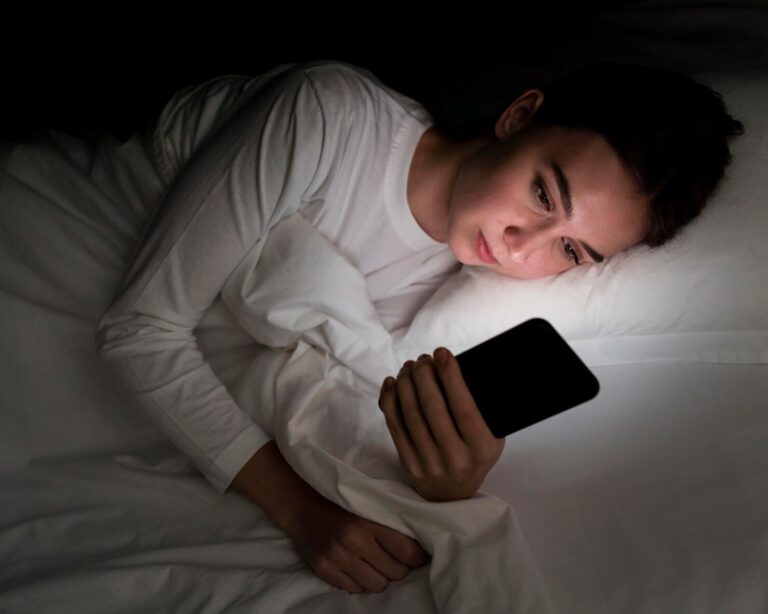
In today’s digital world, feeling Tired After Too Much Screen Time has become a common problem for people of all ages. Whether you’re working on a computer, attending online meetings, scrolling through social media, or watching videos, prolonged screen use can lead to screen time fatigue, digital fatigue, and a variety of screen fatigue symptoms. Many people experience eye strain from screens, digital eye strain, screen burnout, and screen-related tiredness without realizing that too much screen time is affecting both their physical and mental well-being. The screen time effects go beyond tired eyes—they can contribute to mental fatigue from screens, poor focus, disrupted sleep, and lower productivity. Understanding the connection between screen time and mental health is the first step toward improving your well-being. Fortunately, by adopting healthy screen habits, practicing digital wellness, and following simple strategies to restore your energy, you can reduce digital fatigue, improve your daily routine, and feel refreshed again.
Understanding Screen Time Fatigue
Screen time fatigue is the physical and mental exhaustion that develops after spending long hours looking at digital devices. Computers, smartphones, tablets, and televisions all require your eyes and brain to process constant visual information.
Unlike reading a printed book, digital screens expose your eyes to bright light, glare, rapidly changing images, and endless streams of information. Your brain works continuously to interpret this information, which eventually leads to tiredness.
Whether you’re working remotely, studying online, gaming, or browsing social media, prolonged exposure can leave you feeling mentally drained even if you’ve spent the day sitting in one place.
Why Do I Feel Tired After Too Much Screen Time?
Many people wonder, “Why do I feel tired after too much screen time?” The answer involves several factors working together.
When you spend hours looking at a screen:
- Your eyes constantly focus and refocus.
- You blink less frequently, causing dry eyes.
- Your brain processes enormous amounts of information.
- Blue light interferes with your natural sleep cycle.
- Your posture often becomes poor.
- Mental stimulation remains high without adequate breaks.
All of these factors combine to create both physical and mental exhaustion.
How Screen Time Affects Energy Levels
Understanding how screen time affects energy levels helps explain why you may feel exhausted after a workday.
Constant Visual Processing
Your eyes continuously adjust focus while reading text, watching videos, or switching between applications.
This continuous effort contributes to eye fatigue and computer vision syndrome.
Reduced Blinking
Normally, humans blink around 15–20 times per minute.
While using screens, blinking often drops by half.
This leads to:
- Dry eyes
- Irritation
- Burning sensations
- Blurred vision
These are common signs of digital eye strain.
Mental Overload
Every notification, email, message, and video requires your brain to process new information.
This constant stimulation creates digital overload, making concentration increasingly difficult.
Blue Light Exposure
Excessive blue light exposure may interfere with melatonin production, the hormone responsible for sleep.
Poor sleep reduces next-day energy and contributes to long-term fatigue.
Understanding the blue light effects on your body can help you make healthier digital choices.
Physical Inactivity
Spending extended periods seated can slow blood circulation and reduce muscle movement.
This contributes to stiffness, reduced energy, and slower metabolism.
Common Screen Fatigue Symptoms
Recognizing screen fatigue symptoms allows you to address them before they become more serious.
Common symptoms include:
- Tired eyes
- Blurred vision
- Headaches
- Dry or watery eyes
- Neck pain
- Shoulder tension
- Difficulty concentrating
- Mental exhaustion
- Low motivation
- Reduced productivity
- Irritability
- Sleep problems
These symptoms often develop gradually, making them easy to ignore.
Signs of Too Much Screen Time
The signs of too much screen time extend beyond eye discomfort.
You may notice:
Physical Signs
- Frequent headaches
- Eye fatigue
- Dry eyes
- Neck stiffness
- Poor posture
- Back pain
Mental Signs
- Brain fog
- Mental exhaustion
- Reduced creativity
- Difficulty focusing
- Forgetfulness
Emotional Signs
- Increased stress
- Irritability
- Feeling overwhelmed
- Reduced patience
- Anxiety
Recognizing these warning signs early can help prevent chronic digital fatigue.
Screen Time and Mental Health
The relationship between screen time and mental health is becoming increasingly important.
Excessive digital exposure can contribute to:
- Anxiety
- Stress
- Emotional exhaustion
- Information overload
- Sleep disruption
Social media comparisons, constant notifications, and nonstop news updates may also increase mental stress.
Balancing screen use with offline activities supports emotional well-being and resilience.
Digital Fatigue vs. Physical Fatigue
Although they may feel similar, digital fatigue differs from physical tiredness.
Digital fatigue often includes:
- Mental fog
- Difficulty making decisions
- Reduced attention span
- Emotional exhaustion
- Eye discomfort
Physical fatigue usually improves after rest.
Digital fatigue often requires intentional changes in screen habits.
Work-from-Home Fatigue
Remote work has increased work-from-home fatigue for millions of people.
Working from home often means:
- Longer computer use
- More virtual meetings
- Fewer movement breaks
- Increased smartphone usage
- Blurred work-life boundaries
Without clear routines, digital exhaustion can build throughout the day.
Smartphone Fatigue
Many people spend hours on phones after already working on computers.
This creates smartphone fatigue, adding even more screen exposure.
Constant scrolling overstimulates the brain and reduces opportunities for genuine relaxation.
Replacing some phone time with offline activities can significantly improve energy.
Computer Vision Syndrome
One of the most common consequences of prolonged screen use is computer vision syndrome.
Symptoms include:
- Eye strain
- Blurred vision
- Headaches
- Neck pain
- Dry eyes
- Double vision
Proper lighting, regular breaks, and ergonomic adjustments can reduce these problems.
How to Recover from Screen Fatigue
If you’re wondering how to recover from screen fatigue, start by giving your mind and body opportunities to rest.
Recovery involves improving both physical and mental health through consistent habits.
Simple Ways to Restore Energy After Screen Time
There are many simple ways to restore energy after screen time without making major lifestyle changes.
Follow the 20-20-20 Rule
Every 20 minutes:
Shift your focus to an object about 20 feet away and keep your eyes on it for at least 20 seconds.
This simple habit relaxes eye muscles and reduces eye strain.
Blink More Often
Consciously blinking keeps your eyes lubricated.
Dry eyes become much less common when you remember to blink regularly.
Stand Up Every Hour
Movement improves blood circulation and reduces stiffness.
Walk around your room or stretch for two to five minutes every hour.
Spend Time Outdoors
Natural sunlight helps regulate your body’s internal clock.
Fresh air also supports mental relaxation and reduces digital overload.
Stay Hydrated
Even mild dehydration contributes to fatigue.
Drink water consistently throughout the day to maintain energy.
Practice Deep Breathing
Deep breathing reduces stress and calms your nervous system.
Just five slow breaths can improve focus and relaxation.
How to Reduce Eye Strain from Screens
Many people ask how to reduce eye strain from screens.
Helpful strategies include:
- Adjust screen brightness.
- Increase text size.
- Reduce glare.
- Maintain proper viewing distance.
- Use artificial tears if necessary.
- Position your screen slightly below eye level.
- Improve room lighting.
Small ergonomic improvements often make a significant difference.
Best Tips to Avoid Digital Fatigue
The best tips to avoid digital fatigue focus on prevention rather than recovery.
Create Screen-Free Periods
Avoid checking your phone immediately after waking up.
Similarly, disconnect before bedtime.
Limit Multitasking
Switching between multiple screens increases mental workload.
Focus on one task at a time whenever possible.
Schedule Regular Breaks
Short breaks improve concentration and reduce mental exhaustion.
Even a five-minute pause every hour helps.
Organize Your Workspace
A comfortable chair, proper monitor height, and good lighting reduce physical strain.
Reduce Notifications
Constant interruptions increase stress.
Turn off unnecessary alerts to improve concentration.
Daily Habits to Reduce Screen Fatigue
Building daily habits to reduce screen fatigue creates lasting improvements.
Healthy habits include:
- Morning stretching
- Regular hydration
- Outdoor walks
- Healthy meals
- Screen breaks
- Evening reading
- Meditation
- Consistent sleep schedule
These habits improve both physical and mental energy.
Healthy Screen Habits
Developing healthy screen habits doesn’t mean avoiding technology completely.
Instead, focus on using technology intentionally.
Healthy habits include:
- Setting daily screen limits
- Using larger monitors when possible
- Maintaining good posture
- Taking movement breaks
- Practicing mindful scrolling
- Avoiding screens during meals
These habits promote long-term digital wellness.
Screen Time Recovery Strategies
Effective screen time recovery requires both physical and mental rest.
Recovery activities include:
- Walking
- Yoga
- Reading printed books
- Gardening
- Listening to music
- Journaling
- Stretching
- Spending time with family
These activities help reset your brain after digital work.
Natural Ways to Restore Energy After Work
Looking for natural ways to restore energy after work?
Try these healthy routines.
Exercise
Light exercise improves circulation and boosts energy naturally.
Healthy Nutrition
Choose foods rich in:
- Fruits
- Vegetables
- Whole grains
- Lean protein
- Healthy fats
Balanced nutrition supports sustained energy.
Quality Sleep
Developing better sleep habits is essential.
Aim for:
- Consistent bedtime
- Reduced evening screen use
- Comfortable sleep environment
- Seven to nine hours of sleep
Relaxation
Practice:
- Meditation
- Gentle stretching
- Reading
- Deep breathing
- Listening to calming music
These activities encourage rest and recovery.
How to Prevent Screen-Related Tiredness
If you’re wondering how to prevent screen-related tiredness, consistency matters.
Simple preventive measures include:
- Maintaining good posture
- Taking frequent breaks
- Limiting unnecessary screen use
- Sleeping well
- Staying physically active
- Practicing mindfulness
Small daily improvements produce long-term results.
Digital Wellness and Healthy Lifestyle
Digital wellness means maintaining a healthy relationship with technology.
Technology should support your life—not control it.
A balanced healthy lifestyle includes:
- Physical activity
- Nutritious meals
- Quality sleep
- Face-to-face conversations
- Outdoor experiences
- Meaningful hobbies
These habits improve overall well-being while reducing digital exhaustion.
Mindful Technology Use
Mindful technology use involves becoming intentional about when and why you use digital devices.
Ask yourself:
- Do I need this screen right now?
- Is this helping me?
- Am I scrolling out of habit?
- Could I take a short break?
These simple questions encourage healthier digital behaviors.
Productivity Tips for Screen Users
Long hours at a computer don’t have to destroy your energy.
Helpful productivity tips include:
- Prioritize important tasks early.
- Work in focused sessions.
- Schedule movement breaks.
- Keep your workspace organized.
- Avoid unnecessary multitasking.
- Use full-screen mode to minimize distractions.
Working smarter often reduces fatigue more than working longer.
Restoring Focus and Concentration
Excessive screen use often reduces focus and concentration.
To improve attention:
- Work in quiet environments.
- Take regular breaks.
- Practice mindfulness.
- Reduce digital distractions.
- Sleep adequately.
Mental clarity improves when your brain has opportunities to recover.
Energy-Boosting Habits
Simple energy-boosting habits can dramatically improve daily performance.
These include:
- Morning exercise
- Drinking enough water
- Balanced meals
- Outdoor sunlight
- Stretching
- Social interaction
- Regular sleep
- Positive routines
These healthy choices naturally increase energy without relying on caffeine.
Stress Management for Digital Workers
Digital work often increases stress levels.
Healthy stress management strategies include:
- Meditation
- Deep breathing
- Journaling
- Walking outdoors
- Yoga
- Talking with friends
- Creative hobbies
Managing stress helps reduce both physical and mental fatigue.
Building a Wellness Routine
A consistent wellness routine supports long-term recovery from screen fatigue.
Your daily routine might include:
Morning
- Stretch
- Hydrate
- Healthy breakfast
- Limited phone use
During Work
- Screen breaks
- Healthy snacks
- Movement every hour
Evening
- Family time
- Reading
- Relaxation
- Screen-free bedtime
Consistency is more important than perfection.
Screen Detox for Better Energy
A regular screen detox gives your brain time to recover.
Try:
- Screen-free mornings
- Technology-free meals
- Weekend outdoor activities
- One hour without screens before bed
- Phone-free walks
Even short digital breaks can noticeably improve mood and energy.
Finding Screen Time Balance
Achieving screen time balance doesn’t require eliminating technology.
Instead:
- Use devices with purpose.
- Schedule offline activities.
- Set healthy boundaries.
- Prioritize relationships.
- Make time for hobbies.
Balanced technology use supports better physical health, stronger relationships, and improved emotional well-being.
Conclusion
Feeling Tired After Too Much Screen Time is a common challenge in our increasingly connected world, but it doesn’t have to become your normal. From screen time fatigue, digital eye strain, and mental fatigue from screens to screen burnout and disrupted sleep, excessive digital exposure can affect nearly every aspect of your health. Fortunately, understanding why you feel tired after too much screen time empowers you to take meaningful action.
By adopting healthy digital habits, practicing mindful technology use, limiting blue light exposure, following daily habits to reduce screen fatigue, and creating a balanced wellness routine, you can successfully restore your energy and improve your overall quality of life. Whether it’s taking regular breaks, spending more time outdoors, improving your sleep, or scheduling a regular screen detox, these simple yet effective strategies help reduce digital fatigue naturally. Over time, maintaining screen time balance, prioritizing rest and recovery, and embracing a healthier lifestyle will enhance your energy, sharpen your focus, support your mental well-being, and help you feel more refreshed every day.
About the Author