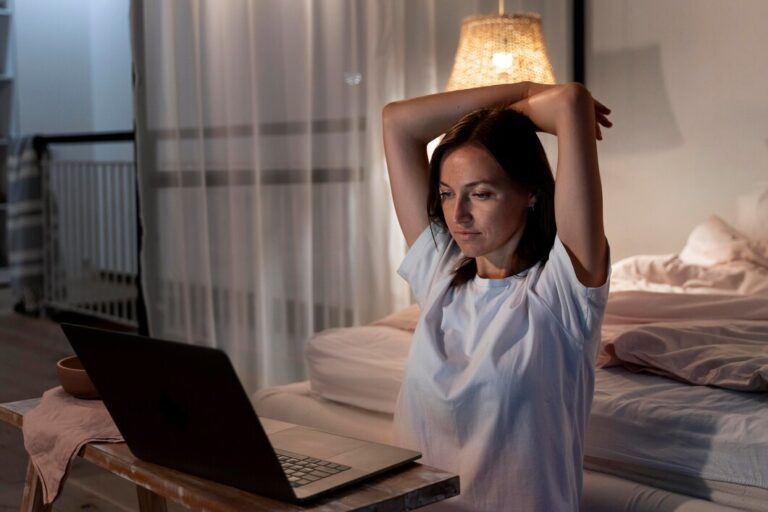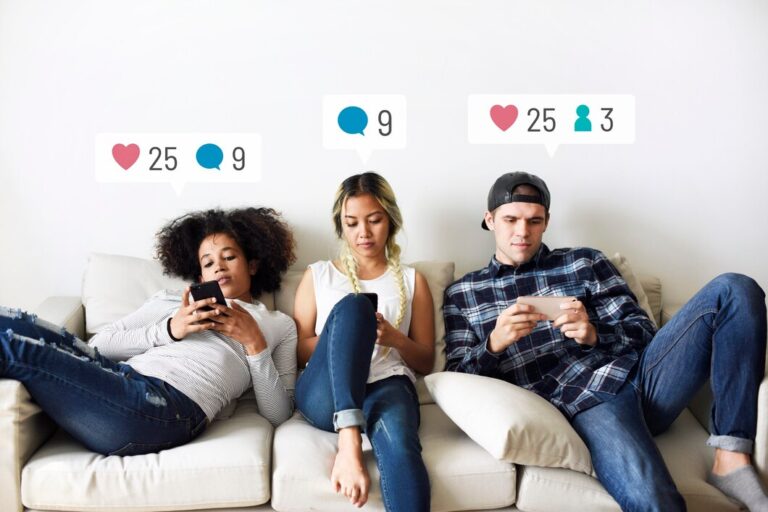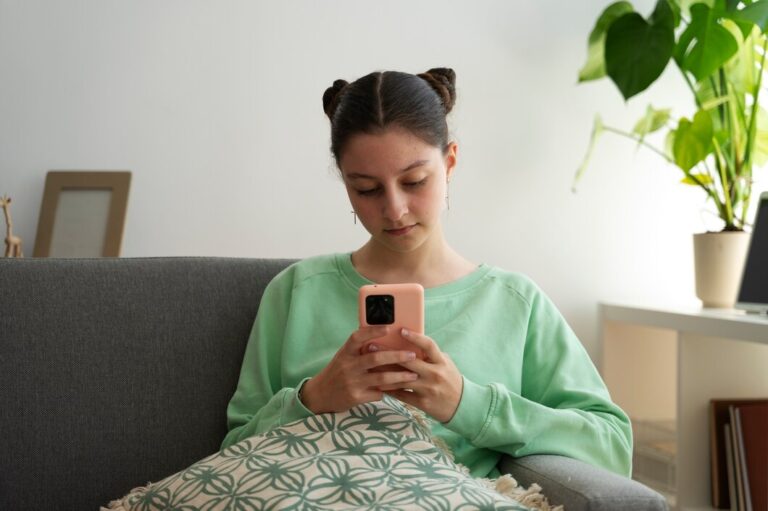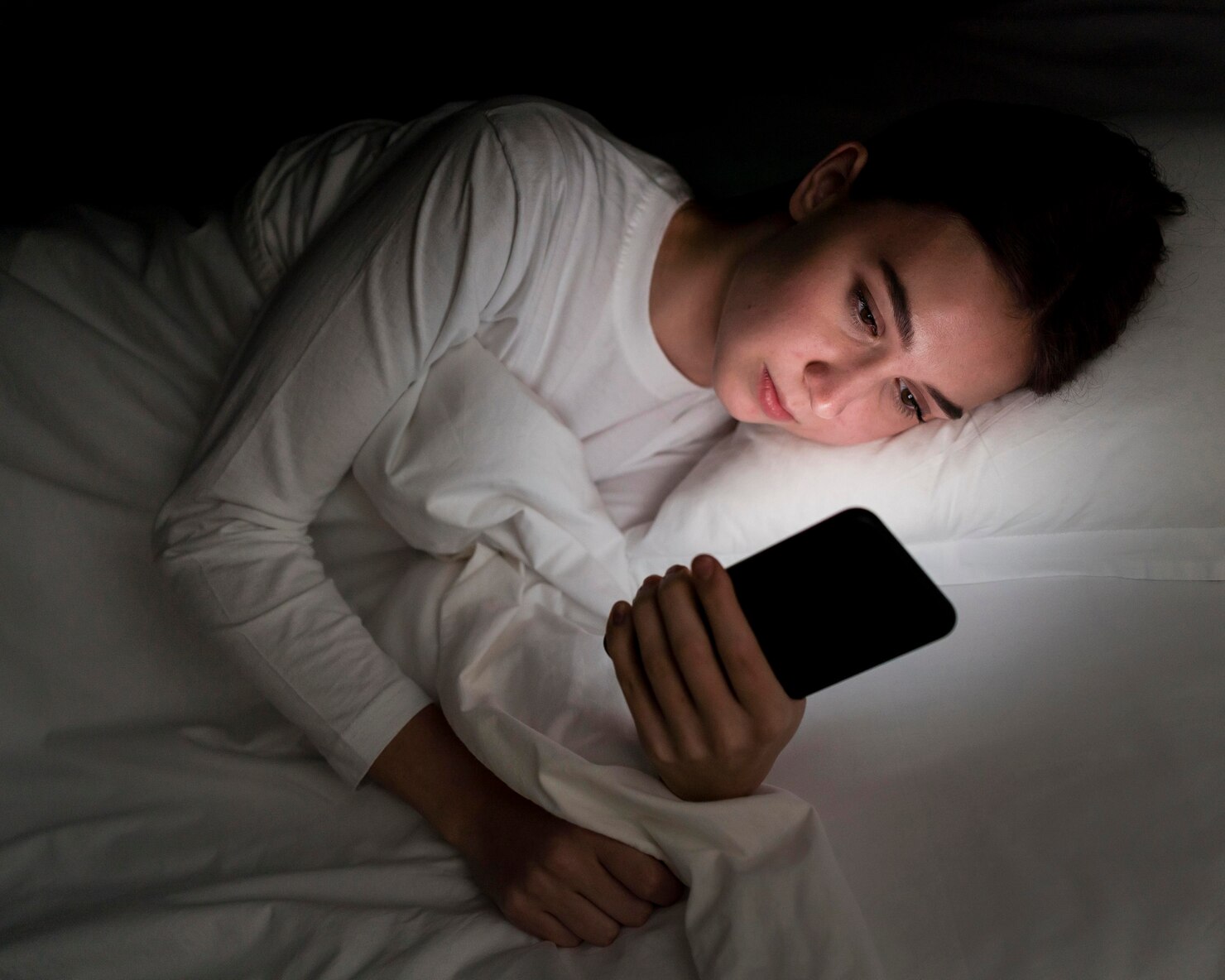
In today’s digital world, Social Media and Deep Sleep have become closely connected in ways many people do not realize. Millions of people spend hours scrolling through social platforms before bedtime without considering how these habits affect their rest. Understanding how social media affects sleep is the first step toward building healthier routines and protecting your physical and mental well-being. While social media helps us stay connected, excessive nighttime use can interfere with the body’s natural sleep cycle, making it harder to achieve the restorative deep sleep needed for overall health.
Why Deep Sleep Matters
Sleep consists of several stages, but deep sleep is one of the most important. During this phase, your body repairs tissues, strengthens the immune system, restores energy, and consolidates memories. Deep sleep also plays a major role in hormone regulation and brain function.
When deep sleep is disrupted regularly, you may experience:
- Constant fatigue
- Difficulty concentrating
- Mood swings
- Reduced productivity
- Weakened immune function
- Increased stress levels
Even if you sleep for seven or eight hours, poor-quality deep sleep can leave you feeling exhausted the next day.
The Connection Between Social Media and Sleep
Many people spend their final moments of the day checking notifications, watching short videos, or browsing endless posts. Unfortunately, these social media sleep habits often interfere with the body’s natural ability to prepare for rest.
The brain needs time to slow down before bedtime. However, social media keeps the mind active through:
- Emotional content
- Breaking news
- Entertaining videos
- Online conversations
- Constant notifications
Instead of relaxing, the brain remains alert, making it difficult to fall asleep quickly.
How Social Media Affects Deep Sleep
Many factors explain how social media affects deep sleep, and they often work together.
1. Increased Mental Stimulation
Scrolling through social media exposes your brain to hundreds of images, videos, and conversations within minutes.
Your brain processes:
- Emotional reactions
- Exciting content
- New information
- Personal messages
- News updates
This constant stimulation delays relaxation, making it difficult to transition into sleep naturally.
2. Blue Light Exposure
One of the biggest reasons blue light and sleep are connected is the light emitted by smartphones, tablets, and other digital devices.
Excessive blue light exposure can suppress melatonin production, the hormone responsible for signaling your body that it is time to sleep.
Lower melatonin levels often result in:
- Longer time to fall asleep
- Reduced sleep quality
- Interrupted sleep cycles
- Less restorative deep sleep
Understanding how blue light impacts deep sleep can encourage healthier bedtime habits.
3. Nighttime Screen Time Delays Sleep
Many people intend to spend five minutes checking social media but end up scrolling for an hour.
Extended nighttime screen time pushes bedtime later than planned.
As a result:
- Total sleep time decreases
- Deep sleep duration shortens
- Morning fatigue increases
Reducing unnecessary scrolling can significantly improve overall rest.
4. Emotional Engagement
Social media often triggers emotional responses.
You may experience:
- Excitement
- Anxiety
- Anger
- Happiness
- Fear of missing out (FOMO)
Strong emotions activate the brain, making it harder to relax before bed.
This emotional stimulation contributes to deep sleep disruption and reduces sleep quality.
5. Social Media Addiction and Sleep
For some individuals, checking social platforms becomes an automatic habit.
Social media addiction and sleep problems frequently occur together because users continue scrolling despite feeling tired.
Common signs include:
- Checking the phone immediately before sleeping
- Waking during the night to view notifications
- Feeling anxious without phone access
- Losing track of time while browsing
Breaking these habits often leads to healthier sleep patterns.
Does Social Media Reduce Deep Sleep?
Many people ask, Does social media reduce deep sleep?
Research suggests that excessive nighttime social media use can reduce both sleep duration and sleep quality. Although the amount of deep sleep varies between individuals, repeated exposure to stimulating content and bright screens before bed often interferes with normal sleep cycles.
Poor bedtime habits may result in:
- More nighttime awakenings
- Less time in restorative sleep stages
- Feeling tired despite spending enough hours in bed
Fortunately, healthier routines can reverse many of these effects.
Screen Time Before Bed and Its Effects
Screen time before bed has become one of the most common reasons people struggle with falling asleep.
Electronic devices keep both the eyes and brain active.
Common bedtime activities include:
- Watching videos
- Reading comments
- Messaging friends
- Playing games
- Browsing social media
Each additional minute spent online delays the body’s natural preparation for sleep.
Circadian Rhythm and Screens
Your body follows a natural internal clock known as the circadian rhythm.
The relationship between circadian rhythm and screens is significant because artificial light confuses the brain into believing it is still daytime.
This affects:
- Melatonin release
- Sleep timing
- Wake-up time
- Energy levels
Maintaining consistent sleep schedules supports a healthier circadian rhythm.
Phone Use Before Sleep Can Keep Your Brain Awake
Frequent phone use before sleep prevents the mind from fully relaxing.
Unlike reading a physical book or practicing meditation, smartphones provide constant stimulation.
Notifications, messages, and new content repeatedly activate attention, delaying the transition into restful sleep.
Turning the phone off earlier can help the brain unwind naturally.
Social Media and Sleep Quality
There is a strong relationship between social media and sleep quality.
Poor sleep quality often includes:
- Restless sleep
- Frequent waking
- Difficulty falling asleep
- Morning tiredness
- Reduced concentration
Improving bedtime routines often leads to noticeable improvements within a few weeks.
Sleep Deprivation From Social Media
Many people unknowingly experience sleep deprivation from social media.
Instead of sleeping at 10:30 PM, they continue scrolling until midnight or later.
Over time, sleep deprivation may increase the risk of:
- Poor memory
- Weakened immunity
- Weight gain
- Mood disorders
- Reduced work performance
Prioritizing sleep is essential for long-term health.
Social Media Effects on Sleep and Mental Health
The connection between social media effects on sleep and mental health is becoming increasingly important.
Insufficient sleep can contribute to:
- Increased stress
- Anxiety
- Depression symptoms
- Emotional instability
Meanwhile, excessive social media use can amplify these problems, creating a cycle that becomes difficult to break.
Better sleep often improves emotional resilience and overall mental well-being.
Sleep and Mental Health Go Hand in Hand
Quality sleep supports healthy emotional regulation.
When people experience chronic sleep loss, they often become:
- More irritable
- Less patient
- Emotionally reactive
- Less motivated
Protecting deep sleep benefits both physical and psychological health.
Healthy Sleep Habits That Make a Difference
Developing healthy sleep habits can significantly improve sleep quality.
Helpful habits include:
Maintain a Regular Sleep Schedule
Maintaining a consistent sleep schedule by going to bed and waking up at the same time each day helps regulate your body’s natural internal clock, leading to better sleep quality and improved overall health.
Keep the Bedroom Comfortable
A cool, quiet, and dark environment supports deeper sleep.
Avoid Heavy Meals Before Bed
Large meals late at night may interfere with comfortable sleep.
Stay Physically Active
Regular exercise supports healthier sleep, although vigorous workouts should be avoided immediately before bedtime.
Best Bedtime Habits for Deep Sleep
If you’re wondering about the best bedtime habits for deep sleep, consistency is the key.
Consider creating a relaxing evening routine that includes:
- Reading a book
- Gentle stretching
- Journaling
- Listening to calming music
- Deep breathing exercises
Repeating the same routine each night signals the brain that it is time to rest.
Better Bedtime Routine Ideas
A better bedtime routine helps the body naturally prepare for sleep.
A simple routine could look like this:
- Finish dinner two to three hours before bed.
- Dim household lights.
- Put away digital devices.
- Practice relaxation techniques.
- Read for 20 minutes.
- Sleep at the same time every night.
Consistency is more important than perfection.
Why Scrolling Before Bed Is Bad for Sleep
Many experts explain why scrolling before bed is bad for sleep because it combines multiple sleep disruptors at once.
Scrolling involves:
- Bright light
- Constant stimulation
- Emotional engagement
- Time loss
- Delayed bedtime
Replacing scrolling with calming activities often improves sleep within days.
How to Stop Social Media From Affecting Sleep
If you’re wondering how to stop social media from affecting sleep, small daily changes can make a big difference.
Set a Digital Curfew
Avoid social media at least one hour before bedtime.
Turn Off Notifications
Silencing alerts reduces unnecessary interruptions.
Charge Your Phone Outside the Bedroom
Keeping devices away reduces the temptation to check them during the night.
Use Screen Time Limits
Many smartphones allow users to schedule app restrictions during evening hours.
How to Reduce Screen Time Before Sleeping
Learning how to reduce screen time before sleeping doesn’t require giving up technology completely.
Helpful strategies include:
- Set an alarm reminding you to disconnect.
- Replace scrolling with reading.
- Listen to calming music.
- Practice mindfulness.
- Keep devices out of reach.
Small adjustments often become lasting habits.
Digital Wellness Starts With Better Choices
Digital wellness focuses on maintaining a healthy relationship with technology.
Healthy technology use means:
- Using devices intentionally
- Taking regular breaks
- Avoiding endless scrolling
- Protecting sleep
- Creating healthy boundaries
Technology should support life rather than control it.
Digital Detox for Better Sleep
A digital detox for better sleep does not require deleting every social media account.
Instead, try:
- One screen-free hour before bed
- Social media-free weekends
- Notification-free evenings
- Phone-free meals
- Offline hobbies
These simple habits often improve both sleep and mental clarity.
Mindful Technology Use
Practicing mindful technology use helps people recognize when digital habits become unhealthy.
Ask yourself:
- Am I using my phone intentionally?
- Is scrolling helping me relax?
- Could another activity help me unwind?
Awareness often leads to healthier decisions.
Relaxation Techniques Before Bed
Simple relaxation techniques prepare the body for deeper sleep.
Popular methods include:
- Deep breathing
- Progressive muscle relaxation
- Meditation
- Gentle yoga
- Gratitude journaling
These activities calm both the mind and body.
Stress and Sleep
Stress and sleep are closely connected, with each having a significant impact on the other. High stress levels can interfere with restful sleep, while poor sleep can make it more difficult to manage stress effectively.
Stress increases cortisol, making it difficult to relax.
Poor sleep then increases stress the following day, creating a repeating cycle.
Managing stress through healthy routines improves sleep quality naturally.
Sleep Better Naturally
Many people want to sleep better naturally without relying on medication.
Natural approaches include:
- Consistent bedtime
- Healthy diet
- Daily exercise
- Limiting caffeine
- Evening relaxation
- Less nighttime phone use
Healthy lifestyle changes often provide lasting improvements.
Tips to Improve Sleep Quality Naturally
If you’re searching for tips to improve sleep quality naturally, consider these proven strategies:
- Maintain a consistent sleep schedule.
- Create a dark sleeping environment.
- Avoid caffeine late in the day.
- Stay physically active.
- Limit evening social media use.
- Practice mindfulness before bed.
- Reduce bright light exposure.
- Keep your bedroom cool and quiet.
These habits encourage more restorative sleep over time.
Ways to Sleep Better After Using Social Media
Sometimes avoiding social media entirely isn’t realistic. If you’ve already spent time online, there are still ways to sleep better after using social media.
You can:
- Lower your screen brightness.
- Switch devices to night mode.
- Stop scrolling at least 30–60 minutes before sleeping.
- Spend a few minutes doing breathing exercises.
- Read a printed book to help your mind transition away from digital content.
- Drink water if you’ve been awake for an extended period.
- Avoid checking notifications once you’re in bed.
These small adjustments can help your body shift toward a more relaxed state before sleep.
Healthy Lifestyle Habits Support Better Sleep
Good sleep isn’t determined by bedtime alone. Healthy lifestyle habits throughout the day also influence how well you sleep at night.
Consider:
- Eating balanced meals.
- Staying hydrated.
- Exercising regularly.
- Getting natural daylight in the morning.
- Limiting alcohol and excessive caffeine.
- Managing stress with healthy coping strategies.
Together, these habits support deeper, more restorative sleep.
Final Thoughts
Understanding how social media affects deep sleep can help you make smarter choices about your nightly routine. While social media is a valuable way to connect, excessive phone use before sleep, prolonged nighttime screen time, and continuous blue light exposure can interfere with melatonin production, disrupt your natural sleep cycle, and reduce sleep quality. The good news is that these effects are often reversible.
By practicing healthy sleep habits, following a better bedtime routine, embracing mindful technology use, and trying a digital detox for better sleep, you can reduce the impact of screens on your rest. Small changes such as limiting screen time before bed, protecting your circadian rhythm, and using effective relaxation techniques can help you improve deep sleep and wake up feeling refreshed. Prioritizing quality sleep not only supports your physical health but also strengthens your emotional well-being, making it easier to enjoy a healthier, more balanced lifestyle.
About the Author