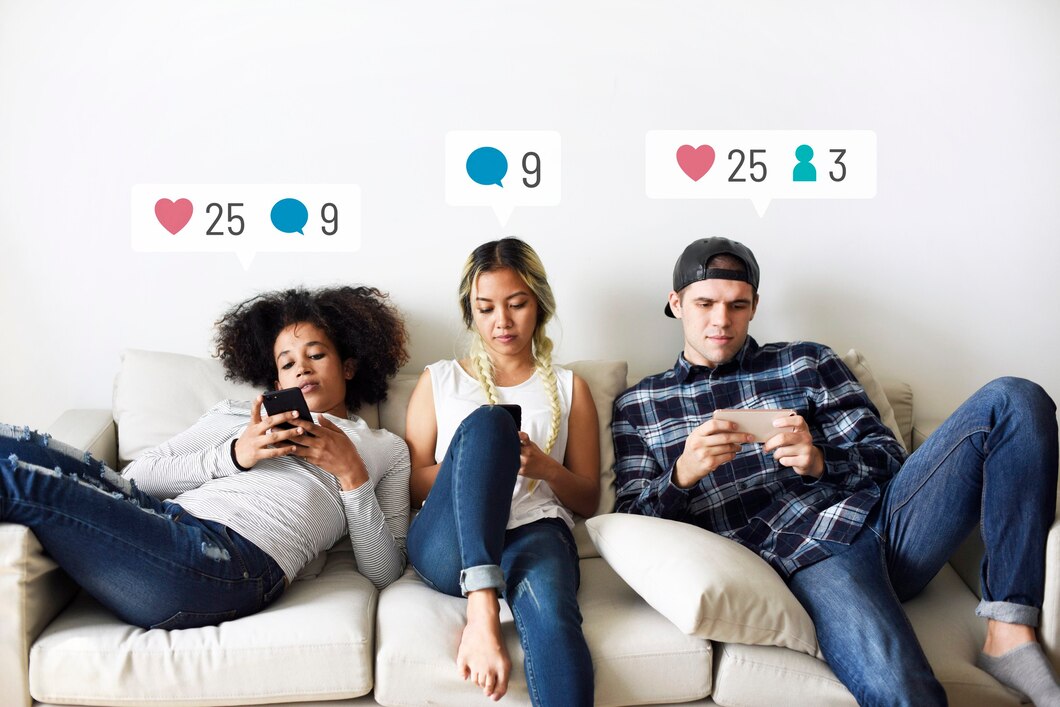
A 30 day social media detox can significantly improve mental clarity, sleep quality, focus, productivity, emotional balance, and real-life relationships. Many people who stop using social media report reduced anxiety, lower stress levels, healthier habits, and better time management within just a few weeks. Taking a break from social media also helps reduce screen time, break addictive scrolling patterns, and improve overall digital wellness.
Introduction
What would happen if you suddenly decided to stop using social media for an entire month?
For many people, the thought alone creates anxiety. Notifications, endless scrolling, short videos, likes, comments, and online validation have become deeply embedded in modern life. Yet millions of people are beginning to question whether constant connectivity is helping or harming their mental health.
A growing number of individuals are trying a social media detox to reclaim their focus, reduce stress, and reconnect with real life. Whether it’s quitting social media completely or simply taking a break from social media, the effects can be surprisingly powerful.
The reality is that social media addiction silently impacts sleep, productivity, relationships, emotional stability, and self-esteem. Many users don’t realize how much time and mental energy they lose until they spend 30 days off social media.
If you have ever wondered:
- What happens when you stop using social media?
- Does quitting social media improve mental health?
- What are the benefits of quitting social media?
- Can a digital detox lifestyle really change your life?
This guide explores the complete 30 day social media detox experience, including the emotional, psychological, and lifestyle changes people commonly experience during an online detox.
What Is a Social Media Detox?
Definition
A social media detox is a deliberate break from social media platforms such as Instagram, Facebook, TikTok, Snapchat, X, and YouTube Shorts to improve mental health, reduce screen time, and regain control over digital habits.
The detox can last:
- 24 hours
- One weekend
- One week
- 30 days
- Several months
A 30 day social media detox is one of the most effective formats because it gives the brain enough time to reset dopamine-driven scrolling behaviors and develop healthier habits.
Why Are So Many People Quitting Social Media?
The Rise of Digital Burnout
People are increasingly overwhelmed by:
- Information overload
- Endless notifications
- Comparison culture
- Doomscrolling
- Online negativity
- Attention fragmentation
Modern platforms are engineered to maximize engagement, which often leads to compulsive checking behaviors associated with social media addiction.
Common Reasons People Take a Social Media Break
| Reason | Impact |
| Anxiety and stress | Emotional exhaustion |
| Low productivity | Constant distractions |
| Sleep problems | Late-night scrolling |
| Poor concentration | Reduced focus span |
| Negative self-image | Comparison culture |
| Mental fatigue | Cognitive overload |
| Lack of real-world connection | Isolation |
What Happens During a 30 Day Social Media Detox?
Week 1: Withdrawal and Restlessness
The first week is often the hardest.
Many people experience:
- Urges to check notifications
- Phantom phone vibrations
- Boredom
- Anxiety
- FOMO (fear of missing out)
- Habitual phone grabbing
This phase happens because social media platforms stimulate dopamine reward systems in the brain.
Signs of Social Media Addiction
If you struggle during the first few days, you may have developed unhealthy digital dependency habits.
Common signs include:
- Checking apps immediately after waking up
- Scrolling without purpose
- Anxiety when offline
- Difficulty focusing
- Reduced attention span
- Constant multitasking
Understanding how to stop social media addiction starts with recognizing these behavioral patterns.
Week 2: Improved Mental Clarity Without Social Media
By the second week, many people notice major cognitive improvements.
Mental Health Benefits of Social Media Detox
Users frequently report:
- Reduced anxiety
- Better emotional balance
- Less overstimulation
- Improved concentration
- Lower stress levels
One of the biggest social media detox benefits is mental clarity without social media distractions constantly interrupting thought patterns.
Why Mental Clarity Improves
When you reduce screen time:
- Your brain processes less information overload
- Attention span improves
- Cognitive fatigue decreases
- Emotional regulation stabilizes
This is why many experts recommend digital wellness practices for improving focus and emotional health.
Week 3: Productivity After Quitting Social Media
Around the third week, productivity levels often increase dramatically.
How Quitting Social Media Changes Your Life
People commonly experience:
- Better time management
- More completed tasks
- Increased motivation
- Better work performance
- Higher creativity levels
Many users discover they regain several hours every week simply by eliminating unconscious scrolling.
Focus and Productivity Tips During a Detox
To maximize benefits:
- Replace scrolling with reading
- Use app blockers
- Create morning routines without phones
- Schedule offline hobbies
- Practice mindfulness and technology balance
Week 4: Healthier Lifestyle Habits Begin to Form
By the final week, many people begin adopting healthier lifestyle habits naturally.
Common Positive Changes
Sleeping Better Without Social Media
One of the most noticeable improvements is sleep quality.
Reduced nighttime scrolling helps:
- Improve melatonin production
- Reduce blue light exposure
- Improve sleep consistency
- Reduce bedtime anxiety
Improved Physical Health
Taking a month off social media can encourage:
- More exercise
- Better posture
- Reduced eye strain
- More outdoor activity
- Better eating habits
Stronger Real-Life Relationships
People often become:
- More present
- Better listeners
- More emotionally available
- More engaged in conversations
Life without social media frequently leads to deeper real-world connections.
What Happens After 30 Days Without Social Media?
Most Common Results
Here’s what many people report after completing a 30 day social media break:
| Positive Effect | Common Outcome |
| Reduced anxiety | Improved emotional health |
| Better sleep | Higher energy levels |
| Less distraction | Increased productivity |
| Improved focus | Better work quality |
| More free time | New hobbies and interests |
| Better self-esteem | Reduced comparison culture |
| Stronger relationships | Improved communication |
The Psychological Effects of Deleting Social Media Apps
Effects of Deleting Social Media Apps
Removing apps creates both short-term discomfort and long-term benefits.
Short-Term Effects
- Restlessness
- Habit cravings
- FOMO
- Temporary boredom
Long-Term Effects
- Emotional calmness
- Increased mindfulness
- Better self-awareness
- Reduced social comparison
- Improved confidence
This transition is similar to breaking other habitual dopamine-reward cycles.
Does Quitting Social Media Improve Mental Health?
Short Answer
Yes, for many people it does.
Research and personal experiences suggest that taking a break from social media can reduce:
- Anxiety
- Depression symptoms
- Stress
- Loneliness caused by comparison
- Digital overstimulation
How Social Media Affects Mental Health
Social platforms can contribute to:
- Unrealistic comparisons
- Information overload
- Negative news exposure
- Validation-seeking behavior
- Reduced self-esteem
A social media detox for anxiety is especially helpful for users overwhelmed by constant online engagement.
The Biggest Benefits of Quitting Social Media
1. Reduced Anxiety
Constant comparison and notifications increase stress levels.
A digital detox challenge helps reduce mental noise.
2. Better Focus
Attention fragmentation decreases significantly after reducing digital distractions.
3. More Time
The average person spends several hours daily on social media.
Imagine reclaiming that time for:
- Learning
- Fitness
- Creativity
- Relationships
- Self improvement habits
4. Better Emotional Health
People often feel calmer and more emotionally stable.
5. Increased Self-Awareness
Without constant online input, users reconnect with personal goals and values.
Screen Time Reduction Benefits
Reducing screen time has powerful physical and psychological advantages.
Key Screen Time Reduction Benefits
- Better posture
- Reduced eye strain
- Improved focus
- Better sleep
- Lower stress
- Improved memory
- Higher productivity
Reducing digital consumption is a core part of digital wellness.
Life Without Social Media: What Changes?
Daily Life Becomes Slower — In a Good Way
People often notice:
- More silence
- More reflection
- More intentional living
Mindfulness and Technology Balance Improves
Without constant interruptions, many people become:
- More present
- More mindful
- Less reactive
This creates healthier relationships with technology.
Social Media Detox for Anxiety
Why Social Media Increases Anxiety
Social platforms encourage:
- Constant comparison
- Fear of missing out
- Information overload
- Validation dependence
How Detoxing Helps
A social media detox for anxiety may:
- Reduce emotional triggers
- Improve emotional regulation
- Create mental calmness
- Lower overstimulation
Many people report significant emotional relief after just two weeks.
Common Challenges During a Social Media Detox
1. Fear of Missing Out
Many users worry they’ll miss:
- Trends
- News
- Social updates
However, most realize very little online content is truly urgent.
2. Boredom
Scrolling often masks boredom.
A detox forces people to rediscover:
- Hobbies
- Creativity
- Reading
- Outdoor activities
3. Social Pressure
Friends may question why you disappeared online.
Setting boundaries is essential.
Best Practices for a Successful 30 Day Social Media Detox
Step-by-Step Detox Plan
Step 1: Delete Social Media Apps
Removing apps reduces temptation.
Step 2: Inform Close Friends
Let people know how to contact you.
Step 3: Replace the Habit
Try:
- Journaling
- Exercise
- Reading
- Meditation
Step 4: Track Progress
Document emotional and productivity changes.
Step 5: Reflect at the End
Evaluate:
- Mood changes
- Time usage
- Focus improvements
Digital Detox Lifestyle: Building Long-Term Balance
A detox should not necessarily mean rejecting technology forever.
Instead, it can help build:
- Healthier boundaries
- Intentional usage
- Better digital wellness habits
Sustainable Digital Wellness Habits
- Phone-free mornings
- Screen-free meals
- Notification reduction
- App time limits
- Offline hobbies
Myth vs Fact: Social Media Detox Edition
| Myth | Fact |
| You need social media to stay informed | Important news still reaches you |
| Everyone will forget you | Real relationships remain |
| Detoxing is unrealistic | Millions successfully do it |
| Social media always improves connection | It can also increase isolation |
| Productivity won’t change | Many people become more focused |
Common Mistakes During a Social Media Break
Mistake 1: Replacing Social Media With Other Addictions
Avoid swapping scrolling with endless streaming or gaming.
Mistake 2: Not Creating Offline Activities
Without replacement habits, boredom increases.
Mistake 3: Expecting Instant Results
Mental recovery takes time.
Expert Insights on Social Media Detox Benefits
Mental health professionals increasingly emphasize:
- Intentional technology use
- Mindful consumption
- Digital boundaries
Experts suggest that reducing online overstimulation helps improve:
- Cognitive function
- Emotional stability
- Sleep health
- Focus
The Future of Digital Wellness
As awareness grows, digital wellness is becoming a major lifestyle movement.
Future trends may include:
- Screen time tracking tools
- Mindfulness apps
- Offline wellness retreats
- AI-assisted digital balance tools
- Workplace digital detox programs
The future of technology will likely focus more on healthy usage rather than constant engagement.
Quick Checklist for Taking a Month Off Social Media
Before Starting
- Delete apps
- Inform contacts
- Set goals
- Prepare replacement activities
During Detox
- Journal daily
- Limit unnecessary screen time
- Practice mindfulness
- Focus on offline experiences
After 30 Days
- Evaluate mental health changes
- Decide which apps still add value
- Set long-term boundaries
FAQs
1. What happens when you stop using social media for 30 days?
Most people experience improved focus, lower anxiety, better sleep, and increased productivity after a 30 day social media detox.
2. Does quitting social media improve mental health?
Yes, many users report reduced stress, improved emotional balance, and lower anxiety after taking a break from social media.
3. What are the benefits of quitting social media?
Benefits include:
- Better sleep
- Reduced anxiety
- Improved productivity
- Stronger relationships
- Better concentration
4. Is social media detox good for anxiety?
Yes. A social media detox for anxiety can reduce emotional overload and comparison-related stress.
5. How do I stop social media addiction?
Start by:
- Deleting apps
- Using app blockers
- Creating offline habits
- Reducing notifications
6. What are the effects of deleting social media apps?
People often feel temporary discomfort followed by increased clarity, calmness, and focus.
7. Can taking a month off social media change your life?
Yes. Many people develop healthier habits and improved digital wellness after a month-long detox.
8. How does social media affect mental health?
Excessive social media use can contribute to anxiety, comparison, overstimulation, and reduced attention span.
9. What are screen time reduction benefits?
Reducing screen time improves sleep, focus, posture, emotional health, and productivity.
10. What should I do instead of scrolling social media?
Try:
- Reading
- Journaling
- Exercise
- Meditation
- Creative hobbies
- Spending time outdoors
Conclusion
A 30 day social media detox is more than just deleting apps. It is an opportunity to reset your attention, improve mental health, reclaim time, and rebuild healthier habits.
The modern digital world constantly competes for your focus. But when you stop using social media, even temporarily, you create space for deeper thinking, emotional balance, stronger relationships, and personal growth.
The benefits of a 30 day social media break often extend far beyond the detox itself. Many people discover they no longer want to return to endless scrolling, comparison culture, and constant distraction.
If you’ve been feeling mentally exhausted, distracted, anxious, or overwhelmed, taking a break from social media could be one of the most powerful self improvement habits you try this year.
Start with one day. Then one week. Then maybe 30 days.
You may be surprised by how much your life changes when your attention finally belongs to you again.
About the Author