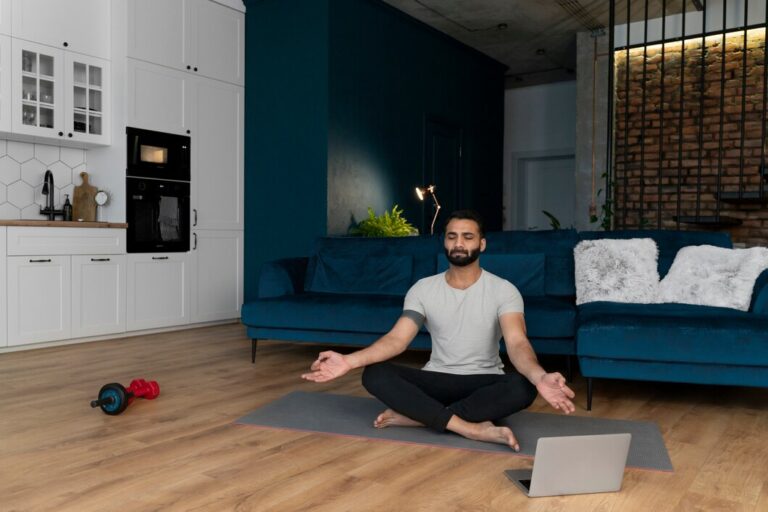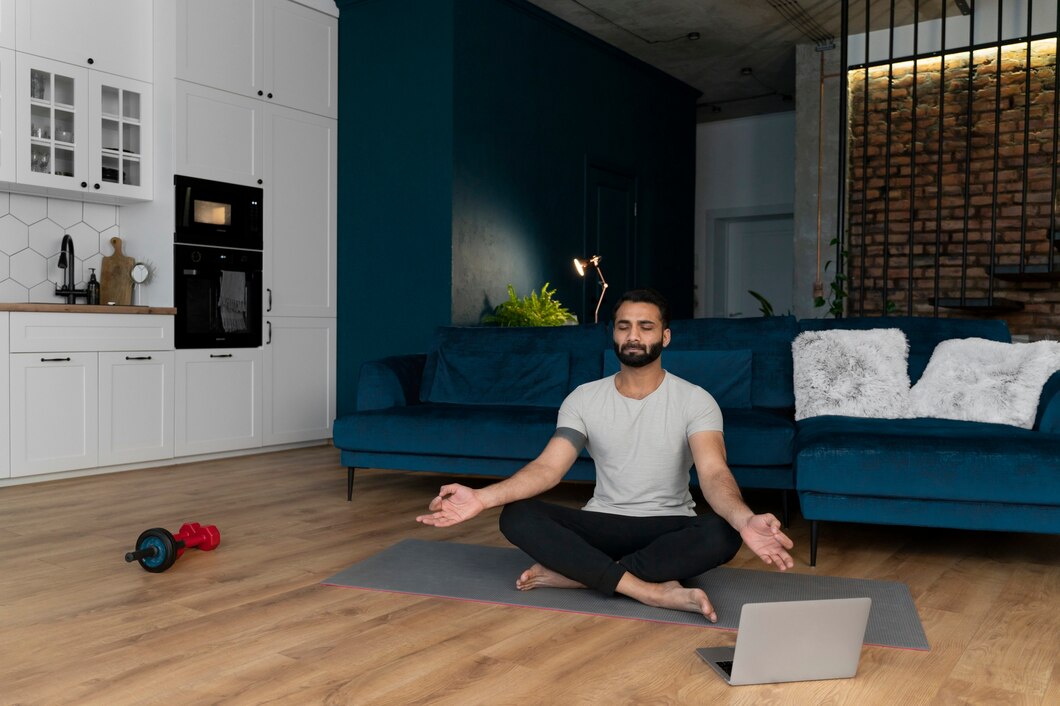
Meditation has become an increasingly popular way to manage everyday stress, improve focus, and create moments of calm in a busy lifestyle. With smartphones offering access to thousands of guided sessions, many people are exploring the best meditation apps to develop a consistent mindfulness routine. However, using technology to practise mindfulness raises an interesting question: Is meditation more effective with an app, or is it better to disconnect completely and meditate without technology?
Both approaches have their advantages. Meditation apps provide convenient guidance, structured programs, and reminders that can help beginners establish a routine. Traditional meditation without technology, on the other hand, encourages independence, simplicity, and a deeper connection with the present moment.
Choosing between these approaches depends on your experience, lifestyle, personal preferences, and meditation goals. Some people benefit from guided instructions, while others prefer silence and fewer distractions.
This guide compares the best meditation apps with offline meditation, explores free and paid options, and explains how to choose an approach that fits your needs.
What Are Meditation Apps?
Meditation apps are digital tools designed to help users practise mindfulness, breathing exercises, relaxation techniques, and other forms of meditation through their smartphones, tablets, or wearable devices.
Most meditation apps offer audio guidance, background sounds, meditation timers, progress tracking, and programs for specific goals. These features make meditation more accessible to people who may not know how to begin or maintain a regular practice.
Many mindfulness apps also include sessions designed for particular situations, such as managing workplace stress, preparing for sleep, improving concentration, or taking a short break during a busy day.
Common features of meditation apps include:
- Guided meditation: Audio instructions that help users focus on breathing, sensations, thoughts, or other meditation techniques.
- Breathing exercises: Simple practices designed to encourage awareness of breathing and relaxation.
- Meditation timers: Tools for practising independently with optional bells or background sounds.
- Mindfulness courses: Structured programs that introduce meditation gradually.
- Sleep content: Relaxing audio, bedtime meditations, and soundscapes.
- Progress tracking: Features that record meditation sessions and encourage regular practice.
The best meditation apps combine useful guidance with a simple experience that does not overwhelm users with unnecessary features.
Although these apps can make meditation easier to access, they are not essential. Meditation has been practised for centuries without smartphones, digital timers, or recorded instructions.
Best Meditation Apps
The best meditation app depends on what you want to achieve. Some applications focus on teaching beginners, while others offer extensive meditation libraries or specialized relaxation content.
Here are several popular options worth considering.
Headspace: Best for Structured Meditation
Headspace is a popular choice for people who want clear instructions and an organized introduction to mindfulness.
Its guided sessions cover meditation fundamentals, breathing awareness, stress management, sleep, and focus. Structured courses make it easier for beginners to follow a learning path rather than selecting random sessions.
Best suited for: Beginners who appreciate step-by-step instruction and a structured routine.
Potential drawback: Much of the complete meditation library requires a subscription.
Calm: Best for Relaxation and Sleep
Calm focuses on relaxation, sleep, and mindfulness through guided meditations, Sleep Stories, soothing music, and breathing exercises.
Its audio-based approach appeals to people who prefer listening to calming content before bedtime or during quiet moments.
Best suited for: People interested in bedtime relaxation, sleep-related audio, and stress management.
Potential drawback: Users who want straightforward meditation instruction may find its extensive sleep and relaxation content unnecessary.
Insight Timer: Best for Meditation Variety
Insight Timer offers a large library of guided meditation sessions from different teachers, along with meditation timers, music, and other mindfulness resources.
The variety allows users to explore different meditation styles and instructors. Its substantial free library makes it particularly attractive to people who want to practise without immediately purchasing a subscription.
Best suited for: Users who enjoy exploring different teachers and meditation techniques.
Potential drawback: The large selection may feel overwhelming when you are just starting.
Medito: Best for Free Meditation
Medito is a nonprofit meditation app that provides guided sessions, mindfulness courses, breathing exercises, and relaxation content without requiring a paid subscription.
Its straightforward approach makes it a useful option for people who want to develop a meditation habit without adding another monthly expense.
Best suited for: Budget-conscious users and beginners who want accessible guided meditation.
Potential drawback: People looking for highly specialized premium features may prefer a different application.
These recommendations reflect the general strengths of the apps, rather than a universal ranking. Features and subscription conditions may change over time.
Best Apps for Beginners
Starting meditation can feel confusing when you are unfamiliar with mindfulness techniques. Beginners often wonder whether they should close their eyes, control their breathing, or try to stop thinking completely.
This is where mindfulness apps for beginners can provide useful guidance.
Why Guided Meditation Helps Beginners
Guided meditation introduces the practice through simple instructions. Instead of figuring out what to do independently, beginners can follow a teacher’s voice and gradually become comfortable with meditation.
A beginner-friendly session might encourage you to:
- Sit comfortably and notice your breathing.
- Pay attention to physical sensations.
- Observe thoughts without judging them.
- Return your attention to breathing when your mind wanders.
- Finish the session without rushing.
This structure can reduce uncertainty and make meditation feel more approachable.
Headspace is particularly useful for beginners who prefer organized lessons, while Medito provides a free alternative for people who want guided practice without a subscription.
Start With Short Sessions
One common mistake is assuming that meditation requires sitting quietly for 30 minutes or longer.
In reality, beginners can start with just five minutes a day. A short session is easier to fit into a daily schedule and may feel less intimidating.
Consistency matters more than attempting an ambitious routine immediately.
Once you become comfortable, you can gradually increase the duration or explore different meditation techniques.
Best Apps for Stress
Stress is a common factor that leads many people to turn to meditation as a way to find calm, improve emotional well-being, and manage everyday challenges. Work deadlines, financial responsibilities, family commitments, and constant notifications can make it difficult to find moments of mental quiet.
Meditation for stress often focuses on breathing awareness, body scans, and observing thoughts without reacting immediately.
Which Apps Are Useful for Stress?
Several meditation apps offer sessions specifically designed for relaxation and stress management.
Headspace provides structured mindfulness exercises and guided sessions that introduce different ways to work with stressful thoughts.
Calm offers breathing exercises, relaxing audio, and guided sessions that may suit people who prefer a soothing listening experience.
Insight Timer provides a wide range of teachers and meditation styles, allowing users to explore different approaches to stress management.
Medito offers free guided meditation and breathing resources for people who want a simple starting point.
The most suitable app is the one you find comfortable enough to use regularly.
However, meditation apps should not be considered a replacement for professional mental health treatment. People experiencing persistent or severe stress, anxiety, or other mental health concerns may benefit from seeking support from a qualified healthcare professional.
Free vs Paid Meditation Apps
One of the biggest considerations when comparing the best meditation apps is cost.
Some applications provide extensive free libraries, while others require subscriptions for their main features.
Free Meditation Apps
Free meditation apps are a practical choice for people who want to explore mindfulness without making a financial commitment.
Their advantages include:
- No recurring subscription expense.
- Opportunities to experiment with different meditation techniques.
- Convenient access to guided sessions.
- Less pressure to justify the cost through frequent usage.
Medito and Insight Timer are particularly worth exploring for their free meditation offerings.
Some other apps also provide selected free sessions, although access to their complete libraries may require payment.
Paid Meditation Apps
Paid applications often offer additional features, including:
- Comprehensive meditation courses.
- Specialized sleep and relaxation programs.
- Personalized recommendations.
- Offline listening.
- Expanded guided meditation libraries.
A subscription may be worthwhile if you regularly use these features and find that the guidance improves your experience.
However, paying for an app does not automatically make meditation more effective.
Before subscribing, explore the available free content and check whether the application offers a trial. Review the subscription terms carefully, including renewal conditions.
The best value is not necessarily the cheapest or most expensive app. It is the option that provides useful content without creating unnecessary financial pressure.
Meditation Apps vs Offline Meditation
Meditation apps and offline meditation share the same fundamental goal: encouraging awareness of the present moment.
The main difference is the role technology plays during the practice.
Advantages of Meditation Apps
Meditation apps offer several practical benefits.
Convenience: You can access guided sessions almost anywhere, whether at home, during a break, or while travelling.
Guidance: Beginners can follow instructions instead of wondering how to meditate.
Variety: Apps provide different techniques, teachers, session lengths, and themes.
Routine building: Reminders and progress tracking may help users develop a consistent habit.
Accessibility: People who find silent meditation difficult may feel more comfortable beginning with guided audio.
These benefits make meditation apps useful for people with busy schedules or limited experience.
Disadvantages of Meditation Apps
Despite their convenience, meditation apps also have limitations.
Screen exposure: Opening your phone may introduce notifications, messages, and other distractions.
Subscription pressure: Some users may feel encouraged to pay for features they do not actually need.
Dependence on guidance: Relying exclusively on recorded instructions may make independent meditation feel unfamiliar.
Choice overload: Large content libraries can make it difficult to decide which session to use.
Digital interruptions: Calls, alerts, and notifications can interrupt meditation unexpectedly.
For people trying to reduce screen time, these drawbacks deserve consideration.
Advantages of Meditation Without Technology
Offline meditation involves practising without digital guidance or electronic devices.
This could mean sitting quietly in a room, observing your breathing, practising mindfulness while walking, or meditating outdoors.
Its advantages include:
Fewer distractions: Without notifications or screens, there are fewer opportunities for digital interruptions.
Greater independence: You learn to practise meditation without relying on recorded instructions.
Simplicity: No subscriptions, downloads, or equipment are necessary.
Flexibility: You can meditate whenever you have a quiet moment.
A natural digital break: Offline meditation can become part of a broader effort to reduce unnecessary phone use.
It also encourages you to become comfortable with silence and your own thoughts.
Disadvantages of Offline Meditation
Meditating without technology can feel difficult when you are beginning.
Without a teacher’s voice, you may struggle to maintain attention or understand different techniques.
Some people also find silence uncomfortable, especially when they are accustomed to constant background stimulation.
Additionally, offline meditation does not provide automatic reminders or progress tracking.
However, these challenges can become easier with regular practice.
Which Approach Is Better?
Neither approach is universally superior.
Meditation apps are useful when you need instruction, variety, or help establishing a routine.
Offline meditation is valuable when you want simplicity, independence, and fewer digital distractions.
A combination of both may be the most practical approach.
For example, you could use a guided meditation app three times a week and practise independently on the remaining days.
This allows you to benefit from technology without making it a permanent requirement.
How to Choose an App
Choosing between the best meditation apps becomes easier when you understand your personal goals.
Instead of selecting an application based only on popularity, consider the following factors.
1. Identify Your Meditation Goal
Think about why you want to meditate.
Are you interested in relaxation, better concentration, sleep, stress management, or developing mindfulness?
Different applications emphasize different experiences. Choose one that offers content related to your main objective.
2. Consider Your Experience Level
Beginners often benefit from structured courses and simple instructions.
Experienced meditators may prefer customizable timers, longer sessions, or a wider selection of meditation styles.
Choose an app that matches your current experience rather than overwhelming you with advanced features.
3. Check the Free Features
Before purchasing a subscription, explore the available free content.
Determine whether you can access enough sessions to establish a regular practice.
If the free version already meets your needs, there may be no reason to upgrade.
4. Look for Simple Navigation
A meditation app should make it easy to begin a session.
Complicated menus, excessive notifications, and constant promotional messages can undermine the peaceful experience you are seeking.
Look for an application that allows you to start meditating quickly.
5. Consider Privacy
Meditation apps may collect personal information, usage data, or details about your preferences.
Review the application’s privacy policy and permissions before creating an account.
You may prefer an app that allows basic meditation without unnecessary personal information.
6. Decide Whether You Need Guidance
If you enjoy listening to instructions, guided meditation apps may be a good fit.
If you prefer silence, consider an application with a simple timer or explore offline meditation.
There is no requirement to use audio guidance throughout your meditation journey.
7. Avoid Overcomplicating Your Routine
You do not need multiple meditation apps to develop a mindfulness habit.
Choose one that meets your needs and give yourself time to become familiar with it.
If the app becomes distracting or expensive, consider switching to a free alternative or practising without technology.
FAQ: Best Meditation Apps vs Meditation Without Technology
Are meditation apps better than traditional meditation?
Meditation apps provide guidance, convenience, and structured programs, while traditional meditation encourages independence and fewer digital distractions. Neither is automatically better. The right approach depends on your experience and preferences.
What is the best meditation app for beginners?
Headspace is a popular option for beginners who prefer structured courses and guided instructions. Medito is another useful choice for people looking for free guided meditation.
Are free meditation apps effective?
Free meditation apps can provide useful guidance and support a regular mindfulness routine. You do not need a paid subscription to begin meditating or develop a consistent practice.
Can I meditate without using an app?
Yes. You can meditate by sitting comfortably, observing your breathing, and gently returning your attention whenever your mind wanders. A quiet environment and a few minutes of uninterrupted time are enough to begin.
Is meditation without technology better for digital detox?
Offline meditation can support a digital detox because it removes the need to interact with your phone during the practice. However, using an app with notifications disabled can also provide a controlled way to practise mindfulness.
How long should I meditate every day?
Beginners can start with five minutes daily and gradually increase the duration if they feel comfortable. The most important consideration is finding a routine that is realistic and sustainable.
Conclusion
The comparison between the best meditation apps and meditation without technology ultimately comes down to personal preference.
Meditation apps offer guidance, convenience, and structured programs that make mindfulness easier to explore. They can be particularly useful for beginners, busy professionals, and people who prefer guided relaxation.
Offline meditation provides a simpler alternative. It encourages independence, reduces digital interruptions, and allows you to practise mindfulness without relying on your smartphone.
If you are new to meditation, consider starting with a free guided meditation app and gradually experimenting with independent practice. Over time, you may discover that you enjoy both approaches in different situations.
The goal is not to find the perfect app or follow a complicated meditation routine. It is to create a sustainable habit that helps you slow down, become more aware of the present moment, and make space for mindfulness in everyday life.
Whether you choose guided meditation, offline practice, or a combination of both, the best approach is the one that fits naturally into your lifestyle.
About the Author