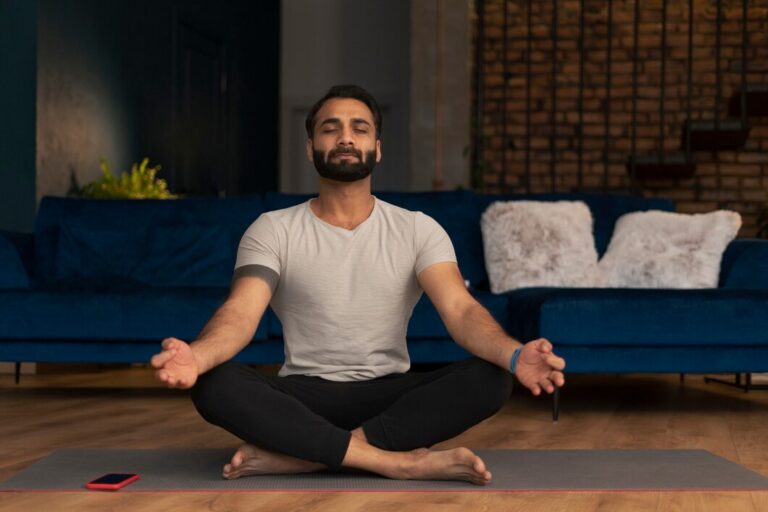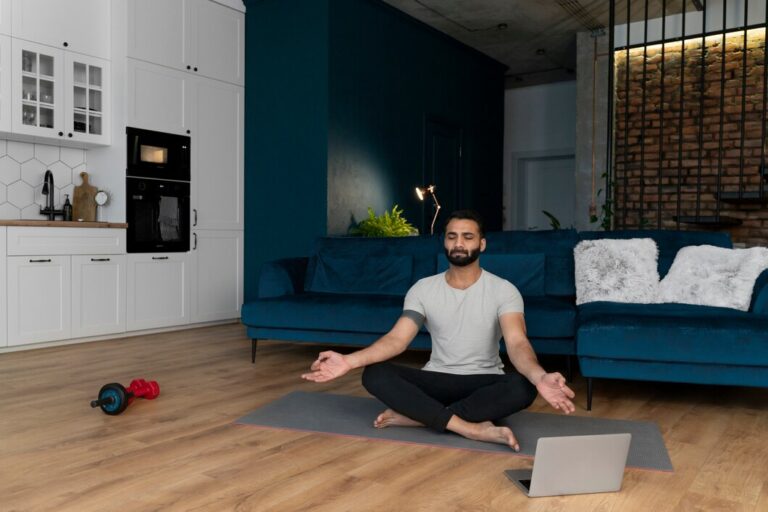
Finding the right balance between physical health and mental well-being can be challenging in a busy lifestyle. Work pressure, daily responsibilities, poor sleep habits, and constant digital distractions can affect how people feel throughout the day. Fortunately, technology offers practical ways to build healthier routines. The best wellness apps make it easier to manage stress, improve sleep quality, practise mindfulness, stay focused, and develop healthier habits without making major changes to everyday life.
Today, wellness apps are available for almost every aspect of personal well-being. Some provide guided meditation sessions, while others offer sleep stories, breathing exercises, workout plans, and tools for managing daily stress. Whether someone wants to feel more relaxed, sleep better, improve concentration, or become more physically active, there is an app designed to support those goals.
However, choosing the right application can take time because every platform offers different features, subscription plans, and approaches to wellness. Some are suitable for beginners, while others are designed for people who already follow structured wellness routines.
This guide explores popular wellness applications for 2026, their main features, free options, and the factors worth considering before choosing a subscription.
What Are Wellness Apps?
Wellness apps are digital applications designed to help people improve different aspects of their overall health. They are available on smartphones, tablets, and other connected devices. Users can access guided activities, educational resources, progress trackers, and personalised recommendations to support healthier daily habits.
Unlike applications that focus on only one health activity, many health and wellness apps combine several features. For example, one application might include meditation sessions, sleep tracking, fitness routines, and stress management exercises.
These applications generally focus on different areas of well-being:
- Mental health: Mood tracking, emotional well-being exercises, journaling, and relaxation techniques.
- Sleep improvement: Sleep stories, soothing sounds, bedtime reminders, and sleep tracking.
- Mindfulness: Guided meditation, breathing exercises, and mindful activities.
- Physical fitness: Workout programmes, walking challenges, yoga, and activity tracking.
- Stress management: Relaxation exercises, calming music, and guided breathing sessions.
- Focus and productivity: Concentration timers, distraction reduction, and structured work sessions.
Mental wellness apps can also encourage people to become more aware of their emotions and daily habits. They provide convenient tools for developing consistency, although they should not replace professional medical or psychological support when someone needs it.
Best Wellness Apps for 2026
The best application depends on what someone wants to improve. A person struggling with sleep may benefit from a dedicated sleep platform, while someone experiencing everyday stress might prefer guided meditation and breathing exercises.
Here are some popular wellness applications worth exploring in 2026.
1. Headspace
Headspace is a popular choice for people who want to develop a regular mindfulness practice. It offers guided meditation sessions, breathing exercises, sleep resources, and programmes designed to support emotional well-being.
A major benefit is its simple, easy-to-understand design, which makes it suitable for beginners. Users can start with short meditation sessions and gradually explore more advanced practices. The app also provides content for people dealing with everyday stress, workplace pressure, and difficulty relaxing.
Key features:
- Guided meditation for beginners and experienced users.
- Breathing exercises for relaxation.
- Sleep sounds and bedtime meditation.
- Mindfulness programmes and daily reminders.
- Exercises designed to support focus and emotional balance.
Best for: Beginners looking for structured meditation and mindfulness guidance.
2. Calm
Calm is particularly useful for people who struggle to relax after a busy day. It combines meditation, soothing music, breathing exercises, and narrated Sleep Stories to create a relaxing bedtime experience.
Users can explore different audio sessions depending on their needs. For example, someone experiencing a stressful day might choose a short breathing exercise, while someone having difficulty falling asleep could listen to a bedtime story.
Key features:
- Sleep Stories narrated by different voices.
- Guided meditation sessions.
- Relaxing music and nature sounds.
- Breathing exercises.
- Mindfulness and relaxation programmes.
Best for: People who want to improve their bedtime routine and manage everyday stress.
3. Insight Timer
Insight Timer is an excellent option for people who enjoy exploring different meditation techniques. Its extensive content library includes guided meditations, breathing exercises, music, talks, and mindfulness sessions.
The application offers content from different teachers, allowing users to find approaches that match their personal preferences. It also includes a meditation timer for people who prefer practising independently.
Its substantial free content library makes it attractive to users who do not want to immediately purchase a subscription.
Key features:
- Extensive guided meditation library.
- Customisable meditation timer.
- Sleep music and relaxing audio.
- Mindfulness courses.
- Community and group meditation features.
Best for: People who want variety and access to free meditation resources.
4. BetterSleep
BetterSleep focuses on creating a more comfortable sleeping environment. It provides relaxing sounds, sleep stories, meditation content, and tools that help users establish consistent bedtime habits.
One interesting feature is its sound-mixing functionality, which allows users to combine different sounds according to their preferences. Someone might mix rainfall with gentle background noise to create a personalised sleeping atmosphere.
Key features:
- Customisable relaxing sounds.
- Sleep stories and bedtime audio.
- Guided meditation.
- Relaxation exercises.
- Sleep-related tracking features.
Best for: People who prefer calming audio and personalised sleep environments.
5. Finch
Finch takes a different approach to personal wellness by combining self-care activities with a virtual pet experience. Instead of presenting wellness as a complicated routine, it encourages users to complete small daily activities.
Users can set personal goals, complete breathing exercises, write journal entries, and track their moods. Completing activities helps their virtual pet grow, which makes everyday self-care feel more engaging.
Key features:
- Daily self-care goals.
- Mood tracking.
- Guided breathing exercises.
- Journaling activities.
- Habit-building reminders.
Best for: People who enjoy interactive tools and want to develop simple, consistent wellness habits.
6. Balance
Balance offers personalised meditation experiences based on individual needs and preferences. It is suitable for users who want a more guided approach instead of choosing random meditation sessions every day.
The app can help users explore meditation for relaxation, sleep, concentration, and emotional well-being. Its structured programmes can also make it easier to maintain a regular practice.
Key features:
- Personalised meditation sessions.
- Guided meditation programmes.
- Sleep-related audio.
- Relaxation exercises.
- Progress tracking.
Best for: People who prefer a personalised mindfulness routine.
7. Sleep Cycle
Sleep Cycle is designed for people who want to understand their sleeping habits. It uses phone-based tracking features to provide information about sleep patterns and offers a smart alarm designed to wake users within a selected time window.
The application can help users notice changes in their sleep routines and understand whether their bedtime habits are consistent. However, its tracking estimates should not be treated as medical sleep measurements.
Key features:
- Sleep tracking estimates.
- Sleep analysis and trends.
- Smart alarm functionality.
- Sleep-related insights.
- Personalised sleep reports.
Best for: People interested in monitoring their sleeping routines.
8. Medito
Medito is worth considering for anyone looking for meditation resources without committing to a paid subscription. The application provides guided meditation, mindfulness exercises, breathing activities, and sleep-related content.
Its nonprofit approach makes it particularly appealing to users who want accessible wellness resources. It is also a useful starting point for beginners who want to understand meditation before exploring premium platforms.
Key features:
- Guided meditation sessions.
- Mindfulness courses.
- Breathing exercises.
- Sleep stories and relaxation content.
- Free access to its core resources.
Best for: Budget-conscious users who want to practise mindfulness.
These applications serve different purposes rather than offering identical experiences. Headspace is useful for structured meditation, Calm focuses strongly on sleep and relaxation, Insight Timer offers variety, and Medito is a good starting point for free mindfulness resources.
Best Apps for Stress
Daily stress can affect concentration, sleep, motivation, and emotional well-being. While occasional stress is a normal part of life, finding healthy ways to manage it can make everyday responsibilities easier.
Stress management apps provide tools that encourage users to pause, relax, and respond more thoughtfully to challenging situations.
Here are some applications worth considering:
1. Breathwrk
Breathwrk focuses on guided breathing exercises. Users can explore different breathing patterns designed for relaxation, energy, and concentration. It can be useful when someone wants a short activity during a busy workday.
2. Calm
Calm provides guided relaxation, breathing exercises, meditation, and soothing audio. Its variety of content makes it suitable for people who want to unwind after work or prepare for bedtime.
3. Wysa
Wysa offers conversational self-help tools and exercises inspired by approaches such as cognitive behavioural therapy (CBT). It can help users reflect on everyday concerns and practise coping strategies. It is important to remember that it cannot take the place of guidance and support from a trained mental health expert.
4. Headspace
Headspace includes guided meditation programmes that help users practise mindfulness and develop healthier responses to everyday pressure.
What should you look for in a stress management app?
- Short breathing exercises for busy schedules.
- Guided relaxation sessions.
- Mood and emotion tracking.
- Practical stress-management activities.
- Easy-to-follow instructions.
The most useful application is one that encourages regular practice rather than making relaxation feel like another responsibility.
Best Apps for Sleep
Good sleep supports physical health, emotional balance, memory, and concentration. However, irregular schedules, excessive screen time, stress, and inconsistent bedtime habits can make it difficult to get enough rest.
Sleep apps aim to make bedtime more comfortable through audio resources, tracking tools, and relaxation programmes.
Some popular choices include:
1. Calm: Its Sleep Stories, relaxing sounds, and bedtime meditation make it a useful choice for people who enjoy listening to audio before sleeping.
2. BetterSleep: This application allows users to create personalised sound combinations and explore sleep-related relaxation content.
3. Sleep Cycle: It focuses on sleep tracking estimates and smart alarm functionality, helping users observe their sleeping patterns.
4. Headspace: Its sleep-related meditation, relaxing audio, and bedtime exercises can help users establish a more peaceful nighttime routine.
5. Insight Timer: Users can explore sleep music, guided relaxation, and meditation sessions from its extensive content library.
Features worth comparing in sleep apps:
- Relaxing background sounds.
- Guided sleep meditation.
- Bedtime stories.
- Sleep tracking and reports.
- Customisable alarm settings.
- Offline listening options.
It is important to remember that sleep tracking applications provide estimates rather than definitive medical assessments. If sleep difficulties continue or significantly affect daily life, consulting a healthcare professional is a better approach.
Best Apps for Mindfulness
Mindfulness involves paying attention to the present moment without becoming overly distracted by worries about the past or future. Practising mindfulness regularly may help people become more aware of their thoughts, emotions, and everyday experiences.
Mindfulness apps make this practice accessible by providing guided sessions that users can follow at home, during breaks, or while travelling.
Some useful options include:
1. Headspace: Its beginner-friendly meditation courses make it easier to understand mindfulness and gradually develop a regular practice.
2. Insight Timer: Its extensive collection of meditation sessions gives users the freedom to explore different teachers, techniques, and session lengths.
3. Medito: It provides accessible guided meditation and mindfulness resources without requiring users to purchase a premium subscription for its core content.
4. Balance: Its personalised meditation approach can help users select sessions according to their interests and wellness goals.
5. Smiling Mind: This platform offers mindfulness resources and programmes for different age groups, including educational and family-oriented content.
How can mindfulness apps improve daily routines?
- Encourage short periods of meditation.
- Help users practise mindful breathing.
- Provide reminders for regular practice.
- Support reflection through guided exercises.
- Encourage greater awareness of daily habits.
You can begin your meditation practice with just a few minutes each day rather than spending an entire hour. Even a few minutes of focused breathing or guided meditation can help establish a consistent routine.
Best Apps for Focus
Maintaining concentration can be difficult when notifications, social media, emails, and other digital distractions compete for attention. Focus-oriented applications help users organise their work sessions and create more intentional routines.
Some useful applications include:
1. Forest
Forest encourages users to stay away from their phones while completing focused tasks. Users grow a virtual tree during a concentration session. Leaving the application to use other phone features can interrupt that progress.
2. Focus To-Do
Focus To-Do combines task management with Pomodoro-style work sessions. Users can organise their responsibilities, set timers, and track completed activities.
3. Freedom
Freedom is designed to help people limit digital distractions by blocking selected websites and applications during scheduled sessions.
4. Tide
Tide combines focus timers with relaxing sounds and other audio experiences. It can be useful for people who prefer working with background sounds.
5. Headspace
Headspace also offers mindfulness practices that can help users take intentional breaks and prepare for focused activities.
Important features to consider:
- Customisable focus timers.
- Website and application blocking.
- Task organisation.
- Progress tracking.
- Background sounds.
- Break reminders.
Focus applications work best when combined with realistic daily planning. Setting clear priorities and taking regular breaks can make concentration easier to maintain.
Best Free Wellness Apps
Not everyone wants to pay for a wellness subscription. Fortunately, several applications provide useful features without requiring an upfront payment. Free wellness apps are particularly helpful for beginners who want to explore meditation, relaxation, and self-care before choosing a premium service.
Here are some options worth trying.
| App | Useful free features |
| Medito | Guided meditation and mindfulness |
| Insight Timer | Free meditation library and timer |
| Finch | Self-care goals and basic mood tracking |
| Smiling Mind | Mindfulness programmes |
| UCLA Mindful | Guided mindfulness exercises |
| Healthy Minds Program | Meditation and well-being education |
Why consider free wellness apps?
- They allow users to explore different wellness activities without financial commitment.
- They are useful for building basic meditation and mindfulness habits.
- They help users understand which features they actually need.
- They can provide practical tools for everyday relaxation.
- They make wellness resources more accessible.
However, free versions may have limitations. Some applications restrict access to advanced programmes, personalised plans, offline content, or detailed tracking features.
Before downloading an application, check whether its essential features are genuinely free or available only through a trial.
How to Choose a Wellness App
With so many wellness applications available, selecting the right one can feel confusing. A popular application is not necessarily the best choice for every individual. The right option should match personal goals, daily routines, and budget.
Consider the following factors before making a decision.
1. Identify Your Main Wellness Goal
Start by deciding what you want to improve. Someone struggling with bedtime routines may benefit from sleep apps, while someone experiencing workplace pressure might prefer stress management apps.
Similarly, people who want to develop better concentration should consider focus-oriented applications.
Having a clear goal prevents you from downloading multiple applications that offer similar features.
2. Compare Features
Different applications provide different tools. Some focus on meditation, while others combine physical activity, sleep tracking, journaling, and mindfulness.
Look for features that support your actual needs instead of choosing an application simply because it offers a large number of options.
For example, if you want to practise mindfulness, guided sessions and breathing exercises may be more valuable than advanced fitness tracking.
3. Check Pricing and Subscription Options
Many wellness applications offer free downloads but require subscriptions for complete access.
Compare monthly and annual plans before purchasing. Also, check whether free trials automatically convert into paid subscriptions and understand the cancellation terms.
4. Consider Ease of Use
An application should be simple to navigate. Complicated menus, unnecessary notifications, and confusing instructions can make it difficult to maintain a regular routine.
Look for an interface that allows you to access your preferred activities quickly.
5. Review Privacy and Data Security
Wellness applications may collect personal information such as mood entries, activity records, sleep patterns, and other sensitive details.
Before creating an account, read the privacy policy and understand what information is collected, how it is stored, and whether it is shared with third parties.
Choose applications that provide clear privacy controls and allow you to manage or delete your information.
6. Check Device Compatibility
Make sure the application works with your smartphone and operating system. If you use a smartwatch or fitness tracker, check whether the app supports integration with your device.
Some fitness wellness apps provide more detailed activity information when connected to compatible wearable devices.
7. Read User Reviews
Reviews can help you understand how people experience an application in everyday situations. Look for feedback about usability, subscription costs, customer support, technical issues, and content quality.
Do not rely entirely on ratings. Consider whether the positive and negative experiences mentioned by users are relevant to your needs.
Are Wellness Apps Worth Paying For?
Paid wellness applications can be worthwhile when their additional features genuinely support your goals. Premium subscriptions often provide larger content libraries, personalised programmes, advanced tracking, offline access, and structured courses.
For example, someone who regularly practises meditation might benefit from a premium subscription that offers more guided sessions and specialised programmes.
Similarly, a person interested in improving sleep may find value in an application with a broader selection of bedtime stories, relaxing sounds, and sleep-related resources.
However, paying for a subscription does not automatically guarantee better results.
A free application may provide everything a beginner needs. If your main goal is to practise simple breathing exercises or listen to guided meditation, there may be little reason to purchase an expensive plan.
Before subscribing, consider these questions:
- Will I use the premium features regularly?
- Does the application offer something that free alternatives do not?
- Is the subscription affordable for my budget?
- Can I cancel whenever I want?
- Does the application protect my personal information?
A practical approach is to try the free version first. If you find yourself using it consistently and need additional features, consider upgrading.
Remember that wellness applications are supportive tools, not medical treatments. People experiencing persistent anxiety, depression, serious sleep difficulties, or other health concerns should seek appropriate professional guidance.
Frequently Asked Questions (FAQs)
1. What are the best wellness apps overall?
Headspace, Calm, Insight Timer, Balance, and Finch are popular choices. The best option depends on whether you want meditation, sleep support, relaxation, or daily self-care activities.
2. Are wellness apps effective for managing stress?
Wellness apps can provide breathing exercises, guided meditation, and relaxation activities that may help users manage everyday stress. Their effectiveness depends on individual needs and consistent use.
3. Which wellness apps are completely free?
Medito, UCLA Mindful, and Smiling Mind offer free wellness resources. Insight Timer also provides a substantial free meditation library, although some additional features require payment.
4. Which apps are best for improving sleep?
Calm, BetterSleep, Sleep Cycle, and Headspace are popular options. They offer different combinations of sleep stories, relaxing sounds, meditation, and sleep tracking.
5. Can wellness apps improve mental health?
Mental wellness apps can encourage healthy routines, mindfulness, emotional awareness, and stress-management practices. However, they should complement rather than replace professional mental healthcare when needed.
6. Are wellness apps safe to use?
Many wellness apps are designed for everyday use, but users should review privacy policies, data collection practices, and security settings before sharing personal information.
7. How much do wellness apps cost?
Some wellness apps are free, while others offer monthly or annual subscriptions. Prices vary depending on the application, country, platform, and selected plan.
8. Can I use multiple wellness apps together?
Yes. You can use different applications for different purposes. For example, you might use one for meditation, another for sleep tracking, and a third for fitness activities. However, starting with one or two applications can make it easier to maintain a consistent routine.
Conclusion
Finding the right wellness application can make everyday self-care more accessible and manageable. From meditation and stress relief to better sleep and improved concentration, the best wellness apps provide practical tools for developing healthier habits.
Applications such as Headspace, Calm, Insight Timer, BetterSleep, and Finch offer different experiences for people with different wellness goals. Free alternatives such as Medito and Smiling Mind also make it possible to explore mindfulness without committing to a paid subscription.
The most important thing is to choose an application that fits your lifestyle, offers useful features, protects your privacy, and encourages consistency. Start with small activities, understand what works for you, and gradually build a routine that supports your overall well-being.
Wellness does not require complicated schedules or expensive subscriptions. Sometimes, a few minutes of meditation, a relaxing bedtime routine, or a short break from digital distractions can be a meaningful starting point.
About the Author