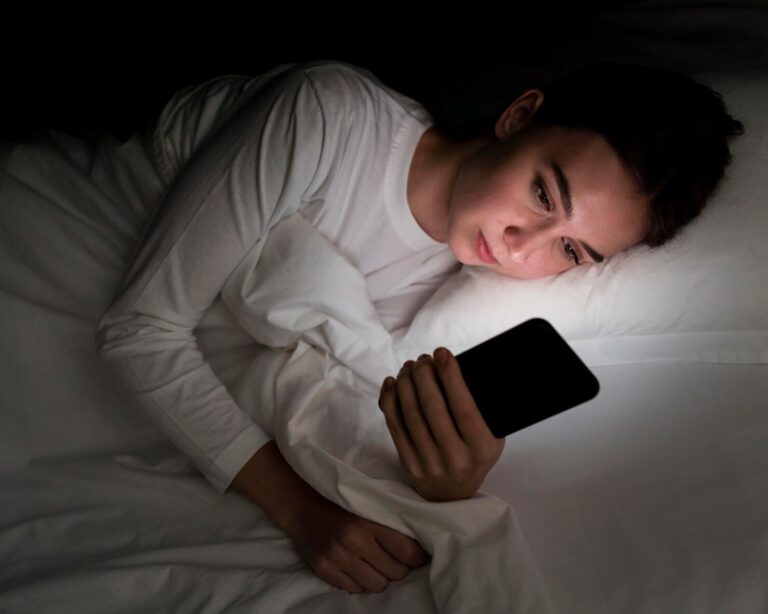
As smartphones, computers, tablets, streaming platforms, and other connected devices have become part of everyday life, many adults wonder how much screen time should adults have each day. There is no single number that works for everyone because screen use can include work, education, communication, entertainment, and essential tasks. Instead of focusing only on a daily total, healthy screen time for adults is better understood by looking at what you do on screens, why you are doing it, how long you spend doing it, and whether it affects sleep, physical activity, relationships, or well-being. Building healthier digital habits does not necessarily mean giving up technology. It means learning how to use it intentionally.
How Much Screen Time Do Adults Actually Get?
Screen time varies considerably from one adult to another. Someone who works at a computer may spend most of the workday looking at a screen, while another person may use screens primarily for messaging, entertainment, shopping, or occasional browsing.
This makes daily screen time difficult to interpret on its own. Two people could spend eight hours on screens but have completely different experiences.
For example, one person might spend seven of those hours working, attending virtual meetings, and completing professional tasks. Someone else may spend hours browsing social media, streaming videos, and moving from one app to another without a clear goal in mind.
The total number is therefore only part of the picture.
Different Types of Screen Time Matter
It can be useful to divide screen use into several categories:
- Work-related screen time: Emails, documents, video conferences, programming, research, and other professional tasks.
- Learning: Online courses, educational videos, reading, and research.
- Communication: Messaging, video calls, and social networking.
- Entertainment: Streaming, gaming, browsing, and online videos.
- Practical activities: Banking, shopping, navigation, appointments, and other everyday tasks.
Not all screen activities place the same demands on attention or affect your routine in the same way.
For example, spending 45 minutes on a video call with a friend is different from spending 45 minutes continuously scrolling through short-form videos. Similarly, reading an online course for an hour is different from automatically opening social media whenever you feel bored.
This is why discussions about adult screen time limits need some context.
Is There a Recommended Screen Time Limit for Adults?
One of the most common questions about digital habits is: how much screen time should adults have?
Unlike recommendations for young children, there is no universally accepted single daily screen-time limit for all adults that applies regardless of occupation, lifestyle, or purpose.
Adults often need screens for work and essential responsibilities. Consequently, a fixed number would not be practical for everyone.
Instead, a healthier approach is to consider whether screen use interferes with important aspects of daily life.
Ask yourself:
- Am I getting enough sleep?
- Do I regularly move my body during the day?
- Am I spending meaningful time with other people?
- Can I concentrate without checking my phone constantly?
- Do I use screens when I intended to rest?
- Do I feel like I’m managing my screen use effectively?
- Does entertainment screen time regularly replace activities I value?
If screen use fits comfortably into your lifestyle without disrupting these areas, your overall digital routine may be more sustainable.
Work Screen Time Is Different From Leisure Screen Time
An adult who spends eight hours at a computer for work cannot simply apply the same strategy as someone who spends eight hours watching entertainment content.
For people with screen-based jobs, the goal may be to reduce unnecessary recreational use rather than eliminate necessary computer use.
For example, someone could keep their work computer time unchanged while reducing late-night social media, unnecessary notifications, and habitual phone checking.
This distinction can make healthy screen time for adults a much more realistic goal.
Focus on Quality as Well as Quantity
The purpose of screen use matters.
Intentional use generally has a clear purpose: completing a task, talking to someone, learning something, or enjoying a chosen form of entertainment.
Habitual use often happens automatically. You unlock your phone without knowing why, open one application, switch to another, and continue scrolling longer than intended.
Rather than asking only, “How many hours was I on a screen? Try reflecting by asking yourself, “How did I actually spend those hours?”
When Does Screen Time Become Excessive?
Excessive screen time is not defined simply by crossing a universal number of hours. Instead, it can be understood in relation to its effects on your life.
Screen use may be becoming excessive when it consistently interferes with sleep, physical activity, responsibilities, relationships, or your ability to focus.
For example, consider someone who intends to watch one episode before bed but repeatedly stays online until very late. The issue may not be the existence of entertainment screen time itself. The problem is that the behavior is interfering with sleep.
Similarly, checking social media during every short break may seem harmless individually, but repeated interruptions can make it difficult to maintain attention during work or other activities.
Screen Time and Physical Activity
Long periods of uninterrupted sitting are another reason to think beyond screen totals.
If you spend most of the day sitting at a computer, adding several hours of recreational screen use may leave very little time for walking, exercise, household activities, or outdoor time.
Instead of attempting to eliminate every screen-based activity, consider adding regular movement throughout the day.
Simple habits can include:
- Standing during some phone calls
- Taking short walking breaks
- Stretching between tasks
- Walking instead of scrolling during short breaks
- Keeping the phone away during exercise
- Spending part of your leisure time outdoors
Screen Time and Sleep
Late-night screen use can become particularly problematic when it pushes bedtime later or keeps you mentally engaged.
A simple experiment is to create a technology-free period before bed. You might start with 20 or 30 minutes rather than attempting a dramatic change.
Use that time for activities such as reading a physical book, preparing for the next day, stretching, journaling, or simply relaxing.
The goal is to make sleep easier to prioritize rather than treating screen use as the enemy.
How to Tell If You’re Spending Too Much Time on Screens
There is no universal checklist that proves someone has an unhealthy digital routine, but certain patterns can signal that your screen habits deserve attention.
1. You Check Your Phone Automatically
You may reach for your phone whenever there is a moment of silence, boredom, or uncertainty.
If you repeatedly unlock your device without a specific reason, consider turning off nonessential notifications or moving distracting applications away from your home screen.
2. Screen Use Delays Your Bedtime
If you frequently say “just five more minutes” and end up spending another hour online, your evening routine may need adjustment.
A consistent bedtime boundary can help separate entertainment from sleep.
3. You Struggle to Focus
Constant notifications and frequent application switching can encourage fragmented attention.
Try creating periods when your phone is on silent and placed outside immediate reach.
4. You Skip Physical Activity
If screen entertainment regularly replaces walking, exercise, or outdoor activities, it may be useful to establish specific movement periods during your day.
5. You Use Screens During Every Break
Not every break needs to involve another screen.
Instead of opening social media during lunch or between tasks, consider walking, talking with someone, stretching, or simply looking away from digital devices.
6. You Feel Restless Without Your Phone
Feeling uncomfortable whenever your phone is unavailable may indicate that you have developed a strong habitual connection with the device.
Try intentionally leaving it in another room for short periods.
7. Screen Use Interferes With Relationships
If people regularly ask you to put your phone away during conversations or meals, that can be a useful signal to reassess your habits.
Creating phone-free social occasions can help you become more present.
How to Spend Less Time on Screens While Staying Connected
You do not need to disconnect from modern technology to reduce screen time.
Small changes are often easier to maintain than extreme digital detox plans.
Start by Measuring Your Current Habits
Before making changes, look at your device’s screen-time report if available.
Instead of judging yourself, use the information as a baseline.
Look for patterns such as:
- Which applications take the most time?
- When are you most likely to scroll?
- How much screen use occurs after bedtime?
- How often do you pick up your phone?
- Which activities are necessary?
- Which activities are mostly habitual?
Once you understand the pattern, you can make a targeted change.
Remove Unnecessary Notifications
Notifications can create frequent interruptions.
Keep alerts for important communication and services while disabling unnecessary promotional or social notifications.
This simple change can reduce the number of times you feel compelled to check your phone.
Create Phone-Free Zones
Choose specific places where phones are not normally used.
Examples include:
- Dining table
- Bedroom
- Exercise area
- Meeting room
- Family activity area
You do not have to make every room technology-free. Start with one location where you want greater focus or connection.
Create Phone-Free Times
A specific period can be easier to follow than a vague goal such as “use my phone less.”
You could establish:
- No social media during breakfast
- No recreational scrolling during work blocks
- No phones during meals
- No entertainment screens for 30 minutes before bed
The most effective guideline is one that naturally works with your daily routine and lifestyle.
Replace the Habit, Not Just the Screen
Simply removing a phone leaves a gap.
If you normally scroll for 30 minutes after dinner, decide what you will do instead.
Possible alternatives include:
- Walking
- Reading
- Cooking
- Listening to music
- Stretching
- Talking with family
- Working on a hobby
- Preparing for the following day
Replacing a habit gives your brain another activity to move toward.
Create Your Personal Screen Time Rules
There is no need to copy someone else’s digital routine. Instead, create personal rules based on your schedule, priorities, and problem areas.
Rule 1: Separate Necessary and Optional Screen Time
First identify the screen use you need.
Work, communication, banking, education, and other essential tasks may not be realistic targets for significant reduction.
Focus more attention on optional activities that do not provide much value.
Rule 2: Set App-Specific Boundaries
You may not need a strict limit for every application.
Instead, identify the apps that most often lead to unplanned scrolling.
You might choose to use social media during specific periods rather than whenever you receive a notification.
Rule 3: Protect Your Sleep
Make your evening routine a priority.
Consider charging your phone away from your bed or using a traditional alarm clock if your phone encourages late-night checking.
Rule 4: Schedule Breaks
If your job involves prolonged computer use, schedule regular breaks.
Stand up, move around, look away from the screen, or get some water.
The objective is not simply to lower the number on a screen-time report but to create healthier patterns throughout the day.
Rule 5: Practice Intentional Entertainment
Before opening an entertainment app, ask yourself:
“What am I planning to do?”
If you want to watch a particular show, watch it intentionally. If you want to message a friend, send the message. If you want to browse for 15 minutes, set a timer.
Intentionality can prevent passive use from expanding indefinitely.
Screen Time and Mental Health
The connection between screen use and mental well-being can vary widely and depends on several factors. Screen use itself is not automatically harmful or beneficial. What people do online, how they use technology, what content they encounter, and what activities screen use replaces can all matter.
For example, a video call with a friend may support social connection, while repeated exposure to stressful online content may leave someone feeling overwhelmed.
Similarly, educational content can support learning, while constant interruptions may make it harder to concentrate.
This is why simply counting hours cannot provide a complete picture of digital well-being.
Pay attention to how particular digital activities make you feel.
If a specific online habit consistently leaves you stressed, distracted, frustrated, or unable to relax, consider changing how, when, or how often you engage with it.
If persistent anxiety, low mood, sleep problems, or other mental-health concerns are affecting your daily life, consider speaking with a qualified healthcare professional rather than assuming screen time is the only cause.
A Simple Seven-Day Digital Habit Reset
If you want a practical way to begin, try a one-week experiment.
Day 1: Observe
Check your current screen-time report and identify your biggest sources of recreational use.
Day 2: Remove distractions
Turn off nonessential notifications.
Day 3: Create a phone-free meal
Keep your phone away during one meal.
Day 4: Add movement
Take several short movement breaks during your workday.
Day 5: Protect bedtime
Stop recreational screen use at least 30 minutes before bed.
Day 6: Replace one scrolling session
Choose a non-screen activity instead.
Day 7: Review
Ask what changed, what felt difficult, and which habits you want to continue.
This approach is more sustainable than attempting to completely eliminate screens overnight.
FAQ
How much screen time should adults have per day?
There is no single universal daily limit that applies to every adult. Screen use should be considered in context, including work requirements, sleep, physical activity, relationships, and recreational habits.
Is eight hours of screen time too much for adults?
Not necessarily. An adult who works eight hours at a computer has different screen needs from someone spending eight hours on recreational apps. Look at the type and consequences of screen use rather than the total alone.
What is considered excessive screen time?
Screen time may be excessive when it consistently interferes with sleep, exercise, responsibilities, relationships, concentration, or other activities you value. There is no single hourly threshold that defines excessive use for every adult.
How can I reduce screen time?
Start by identifying where your time goes. Then disable unnecessary notifications, create phone-free periods, set app boundaries, protect your bedtime, and replace habitual scrolling with activities you enjoy.
Does screen time affect mental health?
The relationship between screen use and mental health depends on factors such as the type of activity, content, frequency, context, and individual circumstances. Monitoring how specific digital habits affect your mood, stress, sleep, and daily functioning can be useful.
Should adults have screen-free days?
A completely screen-free day is not practical for everyone, particularly people who work online or need digital tools for communication and daily responsibilities. Instead, regular screen-free periods can be a more realistic option.
Is screen time before bed bad?
Screen use before bed can be problematic when it delays bedtime, keeps you mentally engaged, or becomes difficult to stop. Creating a short screen-free wind-down period may help establish a more consistent nighttime routine.
How do I know if I need to reduce my screen time?
Look for patterns rather than focusing on one number. If screen use regularly interrupts sleep, physical activity, work, relationships, or activities you enjoy, it may be worth changing your digital habits.
Final Thoughts
The question how much screen time should adults have does not have one simple answer. Adults have different jobs, responsibilities, interests, and reasons for using technology. A computer may be essential for one person’s work, while a smartphone may be an important communication tool for another.
Instead of chasing an arbitrary number, focus on building healthy screen time for adults around intentional use. Separate necessary screen time from recreational use, reduce unnecessary notifications, take regular movement breaks, protect your sleep, and create periods when devices are out of reach.
Most importantly, remember that the goal is not to eliminate technology. The goal is to make technology work better within your life. By paying attention to your daily screen time, recognizing patterns of excessive screen time, and making small practical changes to reduce screen time, you can develop digital habits that leave more room for sleep, movement, relationships, focus, and the activities that matter to you.
About the Author