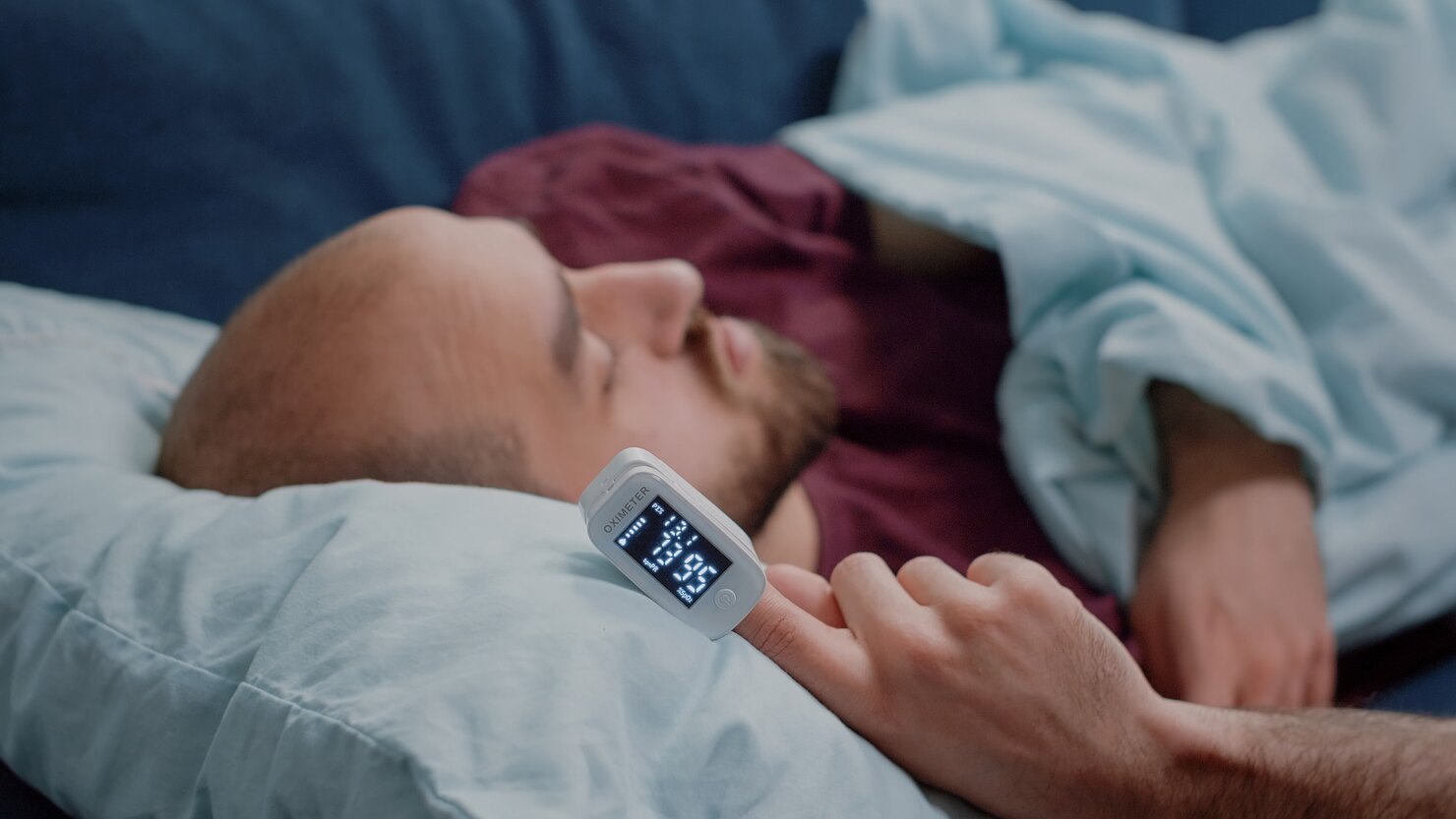
Getting enough sleep is important, but the quality of your sleep matters just as much as the number of hours you spend in bed. If you regularly wake up feeling tired, struggle to maintain a consistent bedtime, or want to understand your night time habits, a sleep tracker may help you identify patterns and make better decisions about your routine.
The best sleep trackers provide useful information about sleep duration, night time movement, resting heart rate, and other sleep-related measurements. Depending on the device, you can view your sleep patterns through a smartphone app, a wearable device, or a monitor placed beside or beneath your mattress.
With so many sleep tracking devices available, choosing the right option can feel overwhelming. Some prioritize detailed health insights, while others focus on comfort, simplicity, or integration with your existing fitness technology. The right choice depends on your budget, personal preferences, and the information you want to track.
In this guide, we explore how sleep trackers work, what they measure, which options are worth considering, and how to choose a sleep monitor that fits your lifestyle.
What Is a Sleep Tracker?
A sleep tracker is a device or application that collects information about your sleep habits and presents it in an understandable format. It helps you observe when you fall asleep, how long you sleep, how often you move during the night, and how consistently you maintain your sleep schedule.
Sleep trackers use different technologies to estimate sleep patterns. Wearable sleep trackers use built-in motion sensors and heart rate monitoring to collect sleep-related data. In contrast, non-wearable devices rely on technologies such as radar, pressure sensors, and other sensing methods to track body movements and breathing patterns without requiring direct contact with the user.
Most modern sleep tracking devices connect to a smartphone application. The app organizes collected information into daily reports, weekly summaries, charts, and personalized insights.
For example, a sleep tracker might show that you sleep longer on weekends than on weekdays or that your sleep duration decreases after late-night screen time. These observations can help you experiment with changes to your bedtime routine.
Sleep trackers generally fall into three categories:
- Wearable sleep trackers: Smartwatches, fitness bands, and smart rings that collect data while you sleep.
- Non-wearable sleep monitors: Devices placed near your bed, beneath your mattress, or on your bedside table.
- Sleep tracker apps: Smartphone applications that use phone sensors, connected devices, or manually entered information to help you monitor your sleep.
While each option provides unique features, they all aim to help users better understand their sleep patterns and nightly habits. They are most useful when you focus on long-term patterns rather than treating every nightly score as a definitive measure of your health.
What Do Sleep Trackers Measure?
The information collected depends on the device, its sensors, and the accompanying software. Before purchasing a sleep tracker, it is helpful to understand what its measurements actually tell you.
1. Total Sleep Duration
Sleep duration is one of the most useful measurements available. It estimates how long you sleep between falling asleep and waking up.
Tracking this information can help you determine whether you regularly get enough rest. Adults are generally advised to get seven or more hours of sleep each night, though the ideal amount can differ from person to person.
A sleep monitor can also reveal differences between weekdays and weekends, helping you identify an inconsistent schedule.
2. Sleep Stages
Many sleep tracking devices estimate the time you spend in light sleep, deep sleep, and REM sleep.
Deep sleep is associated with physical restoration, while REM sleep plays an important role in memory, learning, and emotional processing. Light sleep accounts for a substantial portion of a typical night’s rest.
However, consumer sleep trackers estimate these stages using indirect signals. Unlike clinical sleep studies, these devices cannot directly monitor brain activity, which means their estimates of different sleep stages may not be completely accurate and should be viewed as general indicators rather than exact measurements.
3. Nighttime Awakenings
Some sleep wearable devices estimate how often you wake up or experience periods of restlessness.
Frequent interruptions may help explain why you feel tired even after spending several hours in bed. Noise, temperature, stress, discomfort, and irregular sleep schedules can all contribute to disrupted sleep.
Trackers cannot always distinguish quiet wakefulness from actual sleep, so their estimates of nighttime awakenings may not be completely accurate.
4. Heart Rate and Heart Rate Variability
Several wearable sleep trackers are equipped with sensors that monitor your heart rate while you sleep. Some also estimate heart rate variability (HRV), which describes variations in the time between consecutive heartbeats.
These measurements can provide additional context about overnight recovery and changes in your usual physiological patterns.
However, heart rate and HRV are influenced by many factors, including exercise, stress, illness, alcohol consumption, and medication. They should not be interpreted as standalone indicators of sleep quality or overall health.
5. Breathing and Blood Oxygen
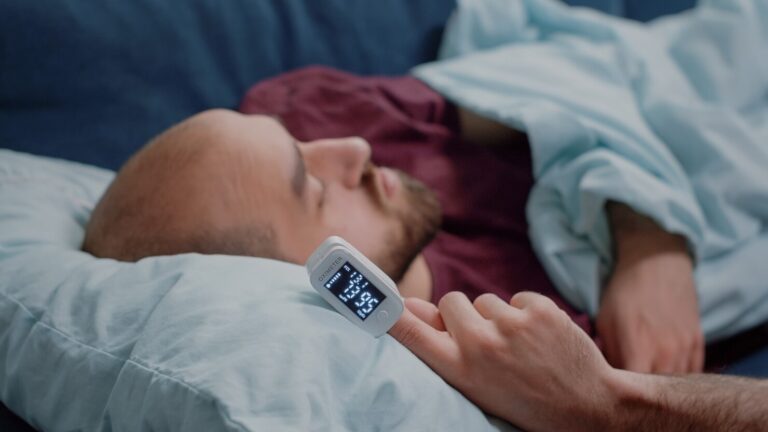
Some advanced sleep tracking technology estimates breathing rate or measures blood oxygen saturation using optical sensors.
These features can provide additional information about overnight physiological changes. However, availability and measurement quality vary by device.
Importantly, a consumer sleep tracker cannot reliably diagnose sleep apnea or rule out a breathing-related sleep disorder. If you experience loud snoring, gasping during sleep, or persistent daytime sleepiness, consult a healthcare professional.
6. Sleep Consistency and Overall Sleep Trends
Many sleep tracker apps calculate sleep scores using factors such as duration, consistency, restlessness, and estimated sleep stages.
These scores can make it easier to compare nights and recognize habits that may influence your rest.
Nevertheless, each manufacturer uses its own scoring method. A score of 85 on one platform is not necessarily equivalent to the same score on another.
The most useful information is often the underlying trend rather than the final number.
Best Sleep Trackers
The best sleep monitoring devices balance useful measurements, comfort, battery life, app quality, and price. Rather than choosing a product solely because it offers the most metrics, consider how easily it fits into your daily routine.
Here are several popular options worth evaluating when shopping for sleep tracking technology.
1. Oura Ring: Best for Comfortable Overnight Tracking
The Oura Ring is a smart ring designed to monitor sleep, daily activity, and recovery-related trends.
Unlike a smartwatch, it does not require you to wear a large device on your wrist. Its compact design may appeal to people who find watches uncomfortable while sleeping.
Key features include:
- Sleep duration and estimated sleep stages.
- Overnight heart rate and heart rate variability.
- Temperature-related trends.
- Sleep scores and recovery insights.
- Smartphone app integration.
Best for: People who want detailed overnight insights in a discreet wearable.
Potential drawback: Ring sizing is important, and the upfront price and any applicable subscription fees should be considered before purchasing.
2. Apple Watch: Best for People Already Using an iPhone
The Apple Watch offers sleep monitoring alongside a range of smartwatch functions, including fitness tracking, activity monitoring, notifications, and other everyday features.
It can be a convenient option if you already use an iPhone and want your sleep data alongside your everyday health and activity information.
Key features include:
- Sleep duration and estimated sleep stages on supported models and software versions.
- Sleep schedule and routine tracking.
- Heart rate monitoring.
- Integration with Apple’s Health ecosystem.
- Additional fitness and wellness features.
Best for: iPhone users who want one device for sleep, workouts, and daily activities.
Potential drawback: Battery life varies by model and usage, and regular charging needs may affect overnight tracking if you forget to recharge it.
3. Fitbit: Best for Everyday Sleep Insights
Fitbit wearables are a common choice for users looking for an easy and convenient way to monitor their everyday movement, physical activity, and sleep habits.
Depending on the model, Fitbit offers sleep-stage estimates, sleep scores, heart rate monitoring, and historical trends through its companion app.
Key features include:
- Estimated sleep stages.
- Sleep duration and consistency.
- Heart rate tracking.
- Sleep scores and historical reports.
- Activity and exercise monitoring.
Best for: Beginners who want sleep and fitness tracking without purchasing a more specialized device.
Potential drawback: Available metrics and advanced app features differ between models, and some features may require a paid subscription.
4. Garmin: Best for Active People and Athletes
Garmin wearables combine sleep monitoring with exercise tracking, training metrics, and activity-related insights.
For individuals who exercise consistently, these insights make it easier to understand how sleep quality relates to training intensity and the body’s recovery patterns.
Key features include:
- Sleep duration and estimated stages on supported models.
- Overnight heart rate and HRV trends.
- Recovery-related metrics.
- Fitness and training data.
- Long battery life on many models, depending on the device.
Best for: Runners, cyclists, gym enthusiasts, and other active individuals who want sleep information integrated with their training routine.
Potential drawback: Users who simply want to track their bedtime and total hours of sleep may find the wide range of available features and detailed health metrics confusing or unnecessary.
5. Withings Sleep Analyzer: Best for People Who Prefer Not to Wear a Device
The Withings Sleep Analyzer is an under-mattress sleep monitoring device designed to collect information while you sleep without requiring a watch, ring, or fitness band.
Its features depend on the model and market availability, but the product line has offered sleep analysis, breathing-related measurements, and snoring-related insights.
Key features include:
- Under-mattress monitoring.
- Sleep duration and movement-related analysis.
- Breathing-related measurements on supported versions.
- Smartphone app reports.
- No wearable device required during the night.
Best for: People who dislike wearing technology while sleeping or want a dedicated bedside monitoring solution.
Potential drawback: Mattress compatibility, installation requirements, and regional availability should be checked before buying. Like other consumer monitors, it is not a substitute for clinical sleep testing.
6. Sleep Tracking Apps for Smartphones: An Affordable Choice for Beginners
Sleep tracker apps can be an accessible starting point if you do not want to purchase a dedicated device.
Depending on the app you choose, you can track your sleeping routine, review manually recorded details, monitor sleep-related signals through your phone’s sensors, or sync data from compatible wearable devices.
Key features may include:
- Bedtime and wake-time logging.
- Sleep diaries and habit tracking.
- Reminders and bedtime routines.
- Charts showing sleep duration over time.
- Optional sound recording or connected-device integration.
Best for: People who want to understand their sleep habits before investing in additional hardware.
Potential drawback: Phone-based tracking may be less informative than a dedicated device, and recording features may raise privacy concerns. Review app permissions, data-sharing practices, and subscription terms before use.
Quick Comparison of the Best Sleep Trackers
| Sleep tracker | Best for | Main advantage | Main limitation |
| Oura Ring | Comfortable overnight tracking | Compact ring design and detailed trends | Price and possible subscription |
| Apple Watch | iPhone users | Integration with everyday health data | Charging and wrist comfort |
| Fitbit | Beginners | Accessible sleep and activity insights | Some features may require payment |
| Garmin | Athletes | Sleep and training data together | Can be complex for casual users |
| Withings Sleep Analyzer | Non-wearable tracking | Monitors sleep without a wrist device | Mattress compatibility |
| Sleep tracker apps | Budget-conscious users | Easy entry into sleep tracking | Measurement capabilities vary |
Product specifications, prices, subscriptions, and regional availability can change. Check the manufacturer’s current information before making a purchase.
Wearable vs Non-Wearable Sleep Trackers
Choosing between wearable and non-wearable sleep tracking devices depends primarily on comfort, convenience, and the kind of information you want.
Wearable Sleep Trackers
Wearable devices include smartwatches, fitness bands, and smart rings. They typically collect data using sensors that remain in contact with your body.
Their main advantage is that they can combine sleep measurements with daytime activity, exercise, heart rate, and other health-related trends.
Wearables are especially useful if you want to compare your sleep with your workout routine or observe changes over several weeks.
However, they need to be worn consistently and charged regularly. Some people also find wristbands or rings uncomfortable during the night.
Non-Wearable Sleep Trackers
Non-wearable sleep monitors track sleep-related activity using sensors placed beside or underneath your bed, eliminating the need to wear a device overnight. Based on the technology used, these devices can monitor body movements, identify breathing patterns, and measure pressure variations during sleep.
Their biggest advantage is convenience. You can go to bed without wearing anything, making them attractive to people who dislike wristbands or rings.
However, they may offer fewer daytime health and fitness features. Some devices also require particular mattress types, specific placement, or additional setup.
Which Type Should You Choose?
Choose a wearable if you want sleep information alongside exercise, heart rate, and daytime activity data.
Choose a non-wearable sleep monitor if comfort is your priority and you want to avoid wearing a device overnight.
If your primary goal is simply to develop a consistent bedtime routine, a free or inexpensive sleep tracker app may be enough to get started.
Features to Compare Before Buying a Sleep Tracker
Not every sleep tracker offers the same value. Compare the following features before deciding which device deserves your money.
1. Sleep Tracking Capabilities
Look beyond marketing claims and check which measurements the device actually provides.
For basic sleep improvement, duration, bedtime consistency, and historical trends may be more useful than an extensive collection of advanced metrics.
If you want overnight heart rate, HRV, or breathing-related measurements, confirm that the specific model supports them.
2. Accuracy and Reliability
A tracker should provide reasonably consistent estimates across repeated nights. However, no consumer device measures every aspect of sleep perfectly.
Prioritize useful trends and transparent explanations of how measurements are calculated rather than choosing a product solely because it advertises a high level of accuracy.
3. Comfort and Design
Comfort is essential because the device must fit naturally into your bedtime routine.
Consider ring sizing, wristband materials, device weight, skin sensitivity, and whether you prefer wearing nothing while sleeping.
If possible, read reviews from people who use the device overnight rather than relying exclusively on daytime fitness reviews.
4. Battery Life and Charging
A sleep tracker is less useful if it frequently runs out of power overnight.
Check how long the battery lasts under typical conditions, how long charging takes, and whether you can conveniently charge the device before bedtime.
Battery performance may differ when features such as continuous heart rate monitoring or GPS are enabled.
5. App Quality and Data Presentation
The companion app is the main place to access, review, and understand the sleep data collected by your device.
Look for clear charts, understandable explanations, weekly summaries, and practical suggestions. An app that presents a few useful trends may be more valuable than one filled with confusing scores.
Also check whether your device works with your preferred smartphone and health platforms.
6. Price and Subscription Costs
The purchase price is only one part of the total cost.
Some devices offer most core features without an ongoing subscription, while others charge for advanced reports, coaching, or historical insights.
Compare the total cost over one or two years, including accessories and potential subscription fees.
7. Privacy and Data Security
Sleep data may reveal personal routines and health-related patterns. Before choosing a sleep monitor, review its privacy policy and understand how information is stored, shared, and deleted.
Check whether the app offers account security controls and whether you can export or remove your data.
How Accurate Are Sleep Trackers?
Sleep trackers can be useful for understanding general sleep patterns, but their accuracy varies depending on the device, measurement, and individual.
Many consumer devices estimate sleep by combining movement data with heart rate, temperature-related information, or other physiological signals. Algorithms then use these measurements to estimate when you are asleep or awake.
This approach can work reasonably well for identifying broad patterns, such as changes in sleep duration or bedtime consistency. However, quiet wakefulness may be mistaken for sleep, and restless movement does not always mean you are awake.
Sleep-stage estimates are particularly challenging. Clinical sleep studies use measurements such as brain activity, eye movements, and muscle activity to evaluate sleep stages. Most consumer sleep trackers do not collect the full range of signals used in these studies.
For that reason, the exact amount of deep sleep or REM sleep reported by a wearable should not be treated as a definitive measurement.
To get more value from your tracker:
- Review weekly and monthly trends instead of focusing on a single night.
- Compare estimated sleep duration with your actual bedtime and wake time.
- Pay attention to how rested you feel during the day.
- Avoid treating sleep scores as a diagnosis or a measure of your personal worth.
- Seek professional advice if persistent sleep problems affect your daily life.
A sleep tracker is best viewed as a tool for observation, not a replacement for professional medical evaluation.
Should You Buy a Sleep Tracker?
A sleep tracker may be worth buying if you want to understand your sleep schedule, monitor changes in your routine, or explore how lifestyle habits relate to your rest.
For example, you might use a tracker to see whether going to bed earlier consistently increases your sleep duration. You could also compare your sleep patterns during periods of regular exercise with those during less active weeks.
However, you do not necessarily need an expensive device to improve your sleep.
Starting with a simple sleep diary can help you record your bedtime, wake time, caffeine intake, exercise, and how rested you feel each morning. After a few weeks, you may identify patterns without purchasing additional technology.
A tracker becomes more valuable when its information helps you take practical action. That might mean maintaining a consistent bedtime, reducing late-night screen use, adjusting your bedroom environment, or allowing more time for sleep.
On the other hand, if checking your nightly score makes you anxious or encourages you to obsess over small variations, consider reducing how often you review the data.
Persistent insomnia, excessive daytime sleepiness, loud snoring, or episodes of gasping during sleep deserve professional attention. A consumer device cannot reliably rule out an underlying sleep disorder.
The bottom line: The best sleep trackers are the ones that provide understandable, relevant information and fit comfortably into your routine. Choose a device based on your actual needs, not the number of features it advertises.
FAQ: Best Sleep Trackers
1. What is the best sleep tracker overall?
There is no single best option for everyone. Oura Ring may appeal to people who prefer a compact wearable, Apple Watch suits many iPhone users, Fitbit offers approachable sleep and activity insights, and Garmin is worth considering for active users. Non-wearable monitors are better suited to people who do not want to wear a device at night.
Your ideal choice depends on your budget, preferred design, and desired features.
2. Are sleep trackers worth the money?
Sleep trackers can be worthwhile if you use their data to identify patterns and improve your routine. They may help you monitor sleep duration, bedtime consistency, and changes in nighttime activity.
However, if you only need to establish a regular sleep schedule, a sleep diary or basic sleep tracker app may provide enough information without additional hardware.
3. Can sleep trackers detect sleep apnea?
Consumer sleep trackers cannot reliably diagnose sleep apnea. Certain sleep monitoring devices can track indicators such as breathing patterns, oxygen levels in the blood, and snoring. However, these readings alone cannot reliably diagnose the condition or rule out its presence.
If you frequently snore loudly, gasp for air while sleeping, or feel unusually sleepy during the day, seek medical advice to determine whether further assessment is needed.
4. Smartwatch vs. Sleep Tracking Ring: Which Option Is Right for You?
A smartwatch is generally better if you want sleep monitoring alongside exercise tracking, notifications, and other daily features.
A smart ring may be preferable if you want a smaller device with less wrist bulk. However, ring fit, comfort, battery life, and subscription costs vary by product.
Neither format is universally more accurate for every measurement.
5. Are free sleep tracker apps effective?
Free sleep tracker apps can be useful for recording bedtimes, wake times, and sleep-related habits. Their capabilities depend on whether they rely on manual logging, phone sensors, or a connected wearable.
They are a sensible starting point for people who want to improve sleep consistency without purchasing dedicated hardware.
6. What Is the Ideal Number of Sleep Hours to Aim for According to Your Tracker?
Most adults should aim for at least seven hours of sleep per night, although individual needs differ. Children and teenagers typically require longer sleep durations than adults to support their growth, development, and overall well-being.
Use your tracker’s estimates as a guide rather than a strict target. Your age, health, daily responsibilities, and how you feel during the day also matter.
7. Is It Necessary to Use a Sleep Tracker Every Night?
Consistent use generally makes it easier to identify long-term patterns. However, you do not need to wear a device every night if it causes discomfort or disrupts your bedtime routine.
If you use a wearable, keep it charged and wear it according to the manufacturer’s instructions when you want comparable measurements.
8. What is the best sleep monitor for people who dislike wearing devices?
An under-mattress monitor, such as the Withings Sleep Analyzer where available, may be a good option. It can collect sleep-related information without requiring a wristband or ring.
Before buying, check mattress compatibility, installation requirements, app features, and whether the device supports your preferred measurements.
9. Can a sleep tracker improve sleep quality?
A sleep tracker cannot directly improve sleep. Instead, it provides information that may help you identify habits associated with better or worse rest.
The benefits depend on how you use that information. Maintaining a consistent sleep schedule, creating a comfortable bedroom environment, and allowing enough time for rest are more important than achieving a particular sleep score.
10. What should I look for in the best sleep tracking devices?
When choosing a sleep tracker, look for accurate sleep-duration tracking, a comfortable fit, easy-to-understand app insights, long-lasting battery performance, reasonable costs, and strong data privacy features.
Advanced features such as HRV and breathing-related measurements may be useful if they match your goals, but they should not replace the basics. For most people, a device that is easy to use consistently and helps them make practical changes offers the greatest value.
Ultimately, the best sleep tracker is one that helps you understand your habits without adding unnecessary complexity to your bedtime routine.
About the Author