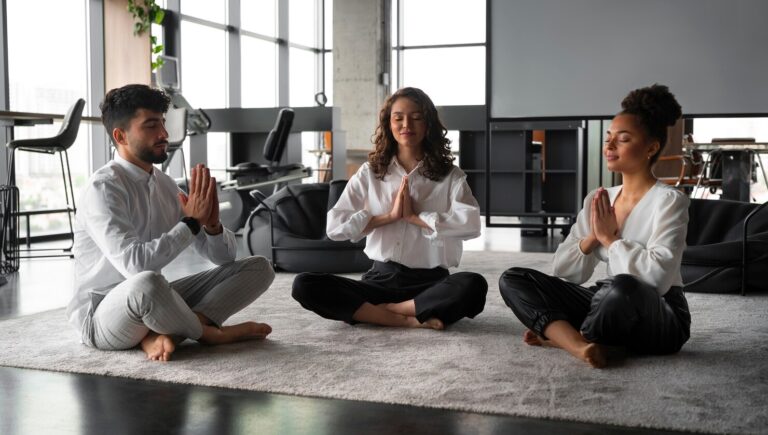
Finding practical ways to manage everyday worry, racing thoughts, and emotional stress has become increasingly important. The best anxiety apps can provide convenient tools for relaxation, mindfulness, mood tracking, breathing exercises, and cognitive behavioral techniques that users can access whenever they need support. While an app cannot replace professional mental health care, it can be a useful addition to a personal wellness routine. With so many anxiety relief apps, meditation platforms, and digital mental health tools available, understanding their features can make it easier to choose an option that matches your needs.
From guided breathing sessions to structured CBT exercises, today’s anxiety management apps offer different approaches to emotional well-being. Some focus on meditation, while others help users recognize unhelpful thought patterns, monitor moods, or develop healthier daily habits. The right choice depends on the type of support you want, how frequently you plan to use the app, and whether you prefer free resources or premium features.
What Are Anxiety Apps?
Anxiety apps are digital tools designed to provide educational resources, relaxation exercises, self-monitoring features, and coping strategies related to anxiety and emotional well-being. They are commonly available for smartphones and may include guided audio, breathing exercises, meditation sessions, journaling prompts, mood trackers, educational lessons, or cognitive behavioral therapy-inspired activities.
Many mental health apps for anxiety are designed around self-guided use. Instead of requiring an appointment, users can open the app whenever they want to complete an exercise or learn a coping technique. This convenience makes digital tools attractive to people who want additional support during busy schedules.
Different apps take different approaches. A mindfulness platform may concentrate on meditation and present-moment awareness, whereas CBT-oriented software may help users examine the connection between thoughts, feelings, and behaviors. Other platforms combine several approaches within one subscription.
It is important to understand what these apps are intended to do. Most are wellness or self-help tools rather than replacements for assessment and treatment from a qualified mental health professional. Users experiencing persistent, severe, or disruptive anxiety should consider professional support alongside any app-based resources.
What Can Anxiety Apps Help With?
The capabilities of anxiety apps vary considerably, but many provide tools intended to support common aspects of emotional wellness.
Guided Breathing
Slow, structured breathing exercises can encourage users to pause and focus their attention. Apps may provide visual animations, timers, or audio instructions that guide the pace of breathing.
This type of feature can be particularly convenient because an exercise may take only a few minutes. Users can incorporate breathing practice into a morning routine, work break, or evening wind-down.
Meditation and Mindfulness
Many mindfulness apps for anxiety provide guided meditation sessions ranging from a few minutes to longer practices. These may focus on observing thoughts, body awareness, relaxation, or present-moment attention.
For someone who prefers audio guidance rather than reading instructions, meditation apps can make establishing a regular mindfulness habit easier.
Thought Tracking
Some anxiety platforms provide journals or thought-recording tools. Users may record situations that caused distress, describe their reactions, and identify patterns over time.
Keeping a record can help users notice recurring situations or triggers and prepare questions to discuss with a professional when appropriate.
CBT-Inspired Exercises
CBT anxiety apps may introduce exercises based on principles associated with cognitive behavioral therapy. These tools can encourage users to identify automatic thoughts, examine evidence surrounding a thought, and consider alternative perspectives.
Digital CBT exercises should not automatically be treated as equivalent to working with a therapist. However, they may provide educational practice between professional appointments or introduce users to basic concepts.
Stress Management
Some platforms are broader stress apps rather than anxiety-specific products. They may include sleep exercises, relaxation audio, breathing tools, mindfulness sessions, and mood tracking.
This broader approach can be useful for people whose concerns involve everyday stress, difficulty relaxing, or an overloaded schedule rather than anxiety alone.
Best Anxiety Apps
There is no single application that is appropriate for everyone. The most useful choice depends on factors such as preferred techniques, budget, privacy expectations, and the amount of guidance a person wants.
When comparing the best anxiety apps, consider whether the app provides evidence-informed techniques, transparent pricing, useful customization, accessible design, and clear information about its limitations.
Best Overall
The best overall choice for many users may be a well-rounded mental wellness app that combines several tools instead of concentrating on only one technique.
A comprehensive platform may offer guided meditation, breathing exercises, sleep content, relaxation sessions, mood tracking, and educational material. Having several options can be useful because anxiety and stress can feel different from one day to another.
For example, a user might prefer a short breathing exercise during a stressful workday and a longer guided meditation before bed. A versatile app can provide both options within one platform.
When evaluating an overall choice, look for:
- A broad selection of guided exercises
- Beginner-friendly instructions
- Short and long sessions
- Progress or habit tracking
- Clear subscription information
- Regular content updates
- Strong privacy practices
- Options for customizing reminders
A good overall app should be easy to navigate rather than making users search through complicated menus whenever they want a quick exercise.
Best CBT-Focused
For people specifically interested in cognitive behavioral techniques, a CBT-oriented platform may be more appropriate than a general meditation application.
CBT anxiety apps can introduce structured exercises that focus on recognizing thought patterns, examining beliefs, identifying behaviors, and practicing alternative responses. Some platforms use worksheets or interactive questions to guide users through these steps.
A CBT-focused app may be particularly interesting to someone who wants more structure. Instead of simply listening to relaxing audio, users may actively work through exercises.
However, users should check how the app describes its services. There is an important difference between an app that provides CBT-inspired self-help exercises and a service that connects users with licensed therapists trained in CBT.
Useful features may include:
- Thought records
- Guided cognitive exercises
- Behavioral activity planning
- Educational lessons
- Journaling
- Progress tracking
- Structured programs
People who want clinical treatment should verify the credentials and professional involvement associated with the service rather than assuming that an app labeled “CBT” provides therapy.
Best Meditation Option
For users who enjoy meditation, a dedicated mindfulness platform may be the preferred option.
Many mindfulness apps for anxiety provide guided sessions organized around different goals, including relaxation, attention, sleep, stress reduction, and emotional awareness.
Meditation-focused apps can be particularly appealing to beginners because they remove much of the uncertainty around starting a practice. Instead of deciding how long to meditate or what instructions to follow, users can select a session and begin.
When comparing meditation platforms, consider:
- Session length
- Voice and teaching style
- Beginner programs
- Sleep content
- Breathing exercises
- Offline access
- Free versus premium content
- Reminder settings
Some people prefer short five-minute sessions, while others enjoy longer guided practices. A platform offering different session lengths provides greater flexibility.
Best Free Option
Budget is an important consideration when comparing anxiety relief apps. Several apps offer free content, while others use a freemium model where basic exercises are available without payment and additional programs require a subscription.
A free option can be a practical starting point for someone who wants to understand whether app-based support fits into their routine before paying for premium features.
Before choosing a free app, check exactly what is included. Some services advertise free access but restrict most useful features to paid subscribers. Others offer substantial free libraries alongside optional purchases.
Also consider whether the app relies on advertising or collects information for analytics or other purposes. “Free” does not necessarily mean that privacy practices are identical across services.
Features to Look For
Choosing between anxiety management apps becomes easier when you know which features matter most.
Evidence-Informed Techniques
Look for apps that clearly explain the approaches used in their programs. Information about clinical advisers, professional contributors, research, or evidence-informed techniques can provide useful context.
Avoid assuming that an app is effective simply because it has many downloads or positive reviews.
Easy Navigation
An anxiety-management tool should be straightforward to use. If finding a breathing exercise requires navigating through several complicated menus, users may be less likely to use it consistently.
A clean interface, clear categories, and quick access to frequently used exercises can improve usability.
Personalization
Personalized recommendations can help users find content based on their preferences. Useful options may include session duration, reminders, goals, experience level, and preferred exercise type.
Progress Tracking
Some users appreciate seeing their meditation streaks, completed exercises, mood entries, or other activity patterns. Tracking can encourage consistency, although it should not become another source of pressure.
Reminders
Optional notifications can encourage users to establish regular habits. Ideally, reminders should be customizable so users can control their frequency and timing.
Offline Features
Offline access can be useful for users who want to practice without a stable internet connection. Check whether the app allows sessions to be downloaded and used offline.
Transparent Pricing
Commercial apps should clearly explain subscription costs, free trials, renewal conditions, and cancellation procedures. Users should understand what they are paying for before starting a subscription.
Privacy Controls
Because anxiety apps can involve highly personal information, privacy deserves special attention. Look for clear explanations of what data is collected, why it is collected, how it is stored, and whether information is shared with third parties.
Anxiety Apps vs Therapy
Anxiety apps and professional therapy serve different purposes.
An app can provide self-guided exercises, educational information, reminders, relaxation techniques, and tools for tracking experiences. These features may be convenient for someone who wants additional resources as part of a broader wellness routine.
Therapy, on the other hand, involves interaction with a qualified professional who can assess an individual’s concerns, ask questions, develop a treatment approach, and adjust that approach over time.
For some people, an app may be a supplementary tool used alongside therapy. For others, an app may simply provide general wellness exercises.
The distinction is particularly important when an application uses terms associated with clinical treatment. Users should investigate whether a service provides actual professional care or only self-help content.
An app should not be considered a substitute for professional assessment simply because it includes mental health terminology or CBT-inspired exercises.
Privacy Considerations
Privacy is one of the most important factors when selecting mental health technology.
An anxiety app may collect information about mood, journal entries, meditation activity, sleep patterns, preferences, or other personal behaviors. Before entering sensitive information, review the application’s privacy policy.
Consider asking:
- What information does the app collect?
- Is account registration required?
- Is sensitive information stored?
- Who can access the information?
- Is data shared with third parties?
- Can you delete your account and associated information?
- Does the company explain its security practices?
- Are advertisements personalized using collected information?
App-store reviews can provide insight into user experiences, but they should not replace reading the company’s current privacy documentation.
It is also worth limiting the amount of sensitive information entered into any digital service. If an app provides a useful exercise without requiring detailed personal information, users may choose to keep their entries minimal.
When an App Isn’t Enough
Digital tools can be convenient, but they have limitations.
Consider seeking professional support when anxiety is persistent, becomes difficult to manage, interferes substantially with daily activities, affects relationships or work, or causes significant distress.
An app also cannot independently provide the individualized assessment that a qualified mental health professional can offer.
If someone is experiencing an immediate mental health crisis, thoughts of self-harm, or feels unable to remain safe, an anxiety app is not an appropriate substitute for urgent professional or emergency support. Contact local emergency services, a crisis service, or a qualified healthcare professional according to the situation and location.
For ongoing concerns, a doctor, psychologist, psychiatrist, counselor, or other appropriately qualified professional can help determine what type of support may be suitable.
How to Choose the Right Anxiety App
Instead of downloading numerous applications at once, start by identifying what you want the app to help you practice.
If your priority is relaxation, compare breathing and meditation features. If you want structured exercises around thoughts and behaviors, investigate CBT-focused platforms. If stress and sleep are also concerns, a broader wellness platform may offer a more suitable range of tools.
Next, compare the practical factors:
- Purpose: Identify the primary reason you want the app.
- Approach: Check whether it uses mindfulness, CBT-inspired exercises, breathing, journaling, or another approach.
- Cost: Compare free content, subscriptions, and trial terms.
- Usability: Make sure the interface is comfortable and easy to navigate.
- Privacy: Read the privacy policy before entering sensitive information.
- Professional involvement: Check whether qualified professionals contributed to the program.
- Customization: Look for session lengths and features that fit your routine.
- Limitations: Understand what the app can and cannot provide.
Taking these factors into account can prevent you from choosing an application solely because it appears popular.
Benefits and Limitations of Anxiety Apps
Like any digital wellness tool, anxiety apps have advantages and disadvantages.
Potential Benefits
- Convenient access to exercises
- Can be used at flexible times
- Often provide short sessions
- May help establish wellness routines
- Can introduce users to mindfulness techniques
- Some provide structured CBT-inspired activities
- May offer mood or habit tracking
- Some have free versions
Potential Limitations
- Not a substitute for professional treatment
- Quality varies between applications
- Premium content can become expensive
- Privacy policies differ
- Self-guided exercises may not meet everyone’s needs
- Some apps provide limited personalization
- Notifications can become distracting for some users
Understanding both sides helps users make a more informed choice.
FAQ
What are the best anxiety apps for beginners?
Beginners may prefer an app with simple navigation, short guided exercises, introductory programs, and clear instructions. A platform offering breathing, mindfulness, and basic educational content can provide several starting points.
Are anxiety apps effective?
Their usefulness can vary depending on the individual, application, features, and consistency of use. Some apps use evidence-informed techniques, but an app should not automatically be considered equivalent to professional treatment.
Are there free anxiety relief apps?
Yes. Some apps offer free exercises or free tiers, while others provide limited access before requiring a subscription. Review the latest pricing, subscription details, and terms before creating an account.
Can anxiety apps replace therapy?
Generally, self-guided apps should not be treated as a replacement for professional therapy when clinical care is needed. They can potentially serve as supplementary tools for relaxation, education, tracking, or practicing certain techniques.
What are CBT anxiety apps?
CBT anxiety apps are digital platforms that provide exercises inspired by cognitive behavioral therapy. They may help users explore thoughts, behaviors, feelings, and coping strategies. Users should check whether a service provides self-guided content or access to a qualified therapist.
Are mindfulness apps useful for anxiety?
Mindfulness apps can provide guided meditation, breathing exercises, and attention-based practices. They may be useful as part of a broader self-care routine, although individual experiences vary.
What should I look for in mental health apps for anxiety?
Look for clear information about the app’s approach, privacy practices, pricing, professional involvement, usability, and limitations. It is also useful to select an app that matches the specific type of support you want.
Do stress apps also help with anxiety?
Some stress apps include relaxation, breathing, mindfulness, sleep, and mood-management tools that may be relevant to people experiencing stress and anxiety. However, their features and intended uses differ, so review each application’s description carefully.
How much time should I spend using an anxiety app?
The ideal duration can vary from person to person, as there is no single timeframe that suits everyone. Some people may prefer a brief daily exercise, while others use longer sessions. Consistency and choosing activities that fit comfortably into your routine may be more practical than aiming for a specific number of minutes.
Final Thoughts
The growing selection of best anxiety apps gives users more options for accessing breathing exercises, meditation, journaling, mindfulness, CBT-inspired activities, and other emotional wellness resources. However, choosing an app should involve more than looking at download numbers or attractive features.
Consider your specific goals, preferred approach, budget, privacy expectations, and desired level of guidance. A meditation-focused application may suit someone who wants guided mindfulness, while a structured CBT platform may appeal to someone interested in cognitive techniques. Others may prefer free resources or a broader wellness application that combines anxiety and stress-management tools.
Most importantly, treat an app as one potential resource rather than a complete solution for every mental health concern. When anxiety becomes persistent, severe, or disruptive, professional support can provide individualized assessment and care that a self-guided application cannot provide.
With thoughtful selection and realistic expectations, digital tools can become one practical component of a broader approach to calm, emotional awareness, and everyday well-being.
About the Author