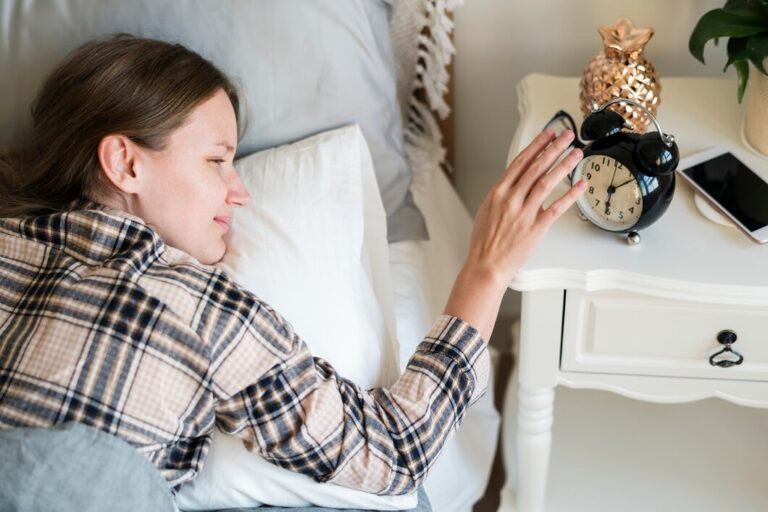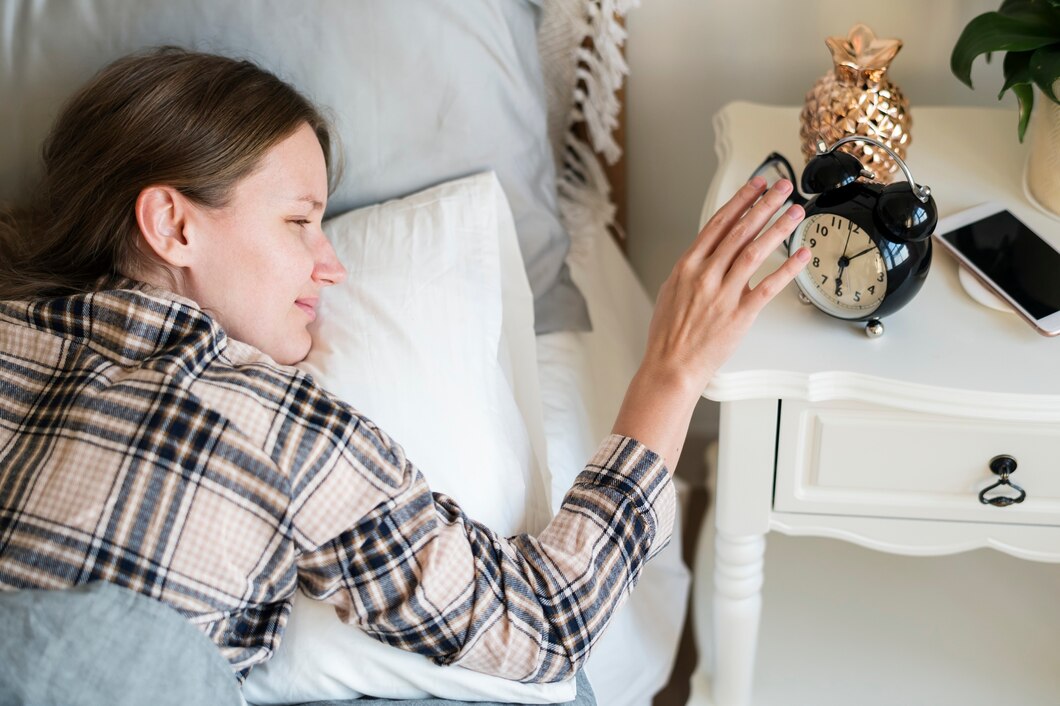
Smartphones have become a regular part of our bedtime routines. Many people use them to check the time, set alarms, read messages, watch videos, or scroll through social media before sleeping. Although these activities may seem harmless, they can make it difficult to disconnect from technology and maintain a relaxing nighttime routine.
One simple way to change this habit is to bring a traditional alarm clock into the bedroom. Instead of keeping your smartphone beside your pillow, you can use a dedicated alarm clock to wake up on time without needing to check your notifications or open social media.
The best alarm clocks for phone addiction offer a practical solution for people who want to create healthier technology habits. They help separate sleeping time from screen time while making mornings easier to manage. Whether you prefer a simple digital clock, a classic analog design, or a sunrise alarm clock, there are plenty of options to consider.
In this guide, we will explore why using an alarm clock instead of a smartphone can be beneficial, which types are worth considering, and what features you should look for before purchasing one. We will also explain how the right alarm clock can support a phone-free bedroom and make your digital detox routine easier to maintain.
Why Use an Alarm Clock Instead of Your Phone?
Many people depend on their smartphones for almost everything, including waking up in the morning. However, using the same device for entertainment, communication, and timekeeping can make it harder to establish boundaries around technology.
A separate alarm clock gives you a simple alternative. It performs one important job without bringing unnecessary digital distractions into your bedroom.
Here are some reasons to consider making the switch.
1. Reduce Late-Night Screen Time
One of the biggest advantages of using a separate alarm clock is that you no longer need to keep your phone beside your bed just to wake up in the morning.
When your phone is within reach, it can be tempting to check notifications, respond to messages, or browse social media. What begins as a quick check can easily turn into 30 minutes of scrolling.
A dedicated alarm clock removes one common reason for keeping your smartphone nearby. You can charge your phone outside the bedroom and enjoy a more relaxing environment.
2. Create a Healthier Bedtime Routine
A consistent bedtime routine can make it easier to prepare your mind and body for sleep. Constantly checking your phone can interrupt that routine and keep your attention focused on digital activities.
An alarm clock for better sleep supports a simpler nighttime environment. You can read a physical book, write in a journal, listen to relaxing music, or simply spend a few quiet minutes preparing for bed.
3. Avoid Morning Notifications
Picking up your smartphone immediately after waking up can expose you to emails, work messages, news updates, and social media notifications before your day has properly started.
Using an independent alarm clock allows you to wake up without immediately opening your phone.
Instead, you can stretch, drink water, prepare breakfast, or complete your morning routine before checking digital notifications.
4. Develop Better Technology Boundaries
A phone-free bedroom is not just about removing a device. It is about creating a space where technology does not control every part of your routine.
An alarm clock helps establish a clear boundary between sleeping and smartphone use. Over time, this small change can make it easier to stop using your phone at night.
5. Keep Your Morning Routine Simple
Dedicated alarm clocks are designed to wake you up. You do not need to unlock a screen, open an application, or search through different settings every morning.
For people who want fewer distractions, a physical alarm clock can be a straightforward and convenient choice.
Best Alarm Clocks for a Phone-Free Bedroom
Choosing the right alarm clock depends on your sleeping habits, personal preferences, bedroom environment, and budget. There is no single product that works perfectly for everyone.
The following types of alarm clocks are worth considering if you want to reduce smartphone dependence.
1. Traditional Analog Alarm Clocks
Traditional analog alarm clocks are a great option for people who prefer simplicity. They usually feature a clock face with physical hands and straightforward alarm controls.
These clocks do not require internet access, mobile applications, or complicated setup procedures. You simply set the time and choose when you want to wake up.
Their main advantage is that they provide the essential function without adding unnecessary technology to your bedroom.
They are particularly suitable for:
- People who want a basic alarm clock.
- Individuals trying to reduce screen exposure.
- Minimalist bedroom setups.
- Anyone looking for a budget-friendly option.
If your main goal is to stop using your smartphone as an alarm, a traditional analog clock is an excellent starting point.
2. Digital Alarm Clocks
Digital alarm clocks display the time using LED or LCD numbers. They are easy to read, especially for people who find traditional clock faces difficult to understand in the morning.
Many models include adjustable brightness, snooze functions, multiple alarm settings, and battery backup.
Some digital alarm clocks also display indoor temperature or offer USB charging ports. However, if you want a completely phone-free bedroom, choose a model that does not depend on a smartphone application.
A digital clock is a practical choice for people who want modern convenience without carrying their phone into bed.
3. Sunrise Simulation Alarm Clocks
Sunrise alarm clocks are designed to make waking up feel more gradual. Instead of relying only on a sudden alarm sound, they gradually increase the brightness of a built-in light before the scheduled wake-up time.
Some models also include nature sounds, adjustable lighting, and sunset features.
These clocks may be particularly appealing to people who dislike waking up to loud alarms or struggle with dark mornings.
A sunrise simulation clock can also become part of a relaxing nighttime routine when it includes a gradual dimming feature.
4. Dual Alarm Clocks
Dual alarm clocks allow users to set two different wake-up times. This feature is useful for couples, roommates, or people who follow different schedules during the week and weekends.
For example, you might need one alarm for weekdays and another for weekends.
Some models also provide separate alarm controls, adjustable volume, and customizable snooze settings.
If you share a bedroom with someone who has a different morning routine, a dual alarm clock can offer additional convenience.
5. Battery-Powered Alarm Clocks
Battery-powered alarm clocks are useful for people who prefer portable and uncomplicated devices.
They do not always need to remain connected to a wall outlet, making them suitable for travel, small bedrooms, guest rooms, and bedside tables.
Some models include backup batteries that preserve alarm settings during power interruptions.
If you want a dependable clock without adding another charging cable to your bedside area, consider a battery-powered option.
6. Smart Alarm Clocks Without Smartphone Dependence
Smart alarm clocks offer additional functions such as voice controls, weather information, speakers, and customizable wake-up routines.
However, not every smart alarm clock is suitable for someone trying to reduce smartphone use.
Some products require mobile applications for setup or provide features that encourage additional screen interaction. Before purchasing, check whether the clock can operate independently after its initial configuration.
Choose a model with physical controls and simple alarm functions if your priority is reducing digital distractions rather than adding more technology.
Features to Consider Before Buying an Alarm Clock
Before choosing an alarm clock, think about how you sleep, how easily you wake up, and what kind of bedroom environment you prefer. A clock with several advanced features may look attractive, but the best option is one that supports your daily routine without creating additional distractions.
Here are the most important features to consider.
1. Display
The display is one of the first things you should check when purchasing an alarm clock. You want something that makes checking the time easy without disturbing your sleep.
Consider the following options:
- Large digital numbers: Suitable for people who want to read the time from a distance.
- Adjustable brightness: Helps prevent an overly bright display from disturbing a dark bedroom.
- Non-illuminated analog face: Ideal for people who prefer a completely dark sleeping environment.
- Projection display: Shows the time on a wall or ceiling, making it convenient to check without reaching for the clock.
If you are sensitive to light while sleeping, an analog clock or a digital model with a fully dimmable display may be a better choice.
2. Alarm Settings
Alarm settings determine how conveniently a clock fits into your daily schedule.
Some people need only one alarm, while others prefer multiple alarms for different activities.
Look for features such as:
- Adjustable alarm volume.
- Multiple alarm settings.
- Easy-to-use snooze buttons.
- Different alarm sounds.
- Weekday and weekend scheduling.
- Battery backup to preserve settings during power interruptions.
Heavy sleepers should pay particular attention to alarm volume. A gentle sound might be pleasant, but it may not be loud enough to wake everyone.
If you regularly share your bedroom, a dual-alarm feature can also be useful because different people can follow separate wake-up schedules.
3. Sunrise Simulation
Sunrise simulation is an attractive feature for people who dislike waking up suddenly.
These alarm clocks gradually increase light intensity before the scheduled wake-up time. Some also include sunset simulation, which slowly reduces the light to create a calming atmosphere before bedtime.
Find it difficult to wake up in complete darkness:
- Prefer gradual lighting instead of a sudden alarm.
- Wake up early when it is still dark outside.
- Prefer a single device that combines a convenient bedside lamp with a built-in alarm clock.
- Enjoy creating a consistent morning routine.
However, sunrise simulation is not essential for everyone. If you simply want to keep your smartphone outside the bedroom, a basic analog or digital clock can accomplish that goal without the additional expense.
4. Ease of Use
An alarm clock should make your routine easier, not more complicated.
Some modern models include touchscreens, wireless connectivity, mobile applications, and several customization options. While these features can be convenient, they may not be suitable for someone trying to reduce technology use.
Before purchasing, check whether you can:
- Set the alarm using physical buttons.
- Adjust the time without opening an application.
- Turn off the alarm quickly.
- Change brightness and volume easily.
- Use the clock without an internet connection.
For people trying to overcome phone dependence, simplicity should be a major purchasing priority.
Traditional vs Smart Alarm Clocks
When shopping for the best alarm clock instead of a phone, you will probably come across two main categories: traditional and smart alarm clocks.
Both can wake you up at the right time, but they offer different experiences.
Traditional alarm clocks focus on basic timekeeping and alarm functions. Smart alarm clocks provide additional features such as lighting, sound libraries, wireless connectivity, and customized routines.
Understanding their differences can help you make a more informed purchase.
| Feature | Traditional Alarm Clock | Smart Alarm Clock |
| Main function | Time and alarm | Time, alarm, and additional features |
| Setup | Usually simple | May require additional setup |
| Internet connection | Not required | Depends on the model |
| Smartphone application | Usually unnecessary | Sometimes required |
| Display options | Analog or digital | Usually digital |
| Extra features | Limited | Lighting, sounds, and routines |
| Price | Generally affordable | Often more expensive |
| Best for | Minimalist users | People who enjoy extra functions |
When Should You Choose a Traditional Alarm Clock?
A traditional clock is a suitable option if your primary goal is to remove your smartphone from your bedroom.
Waking up on schedule doesn’t require an alarm clock packed with advanced or unnecessary functions. A reliable alarm, readable display, and straightforward controls may be enough.
Traditional clocks are also useful for people who want to avoid unnecessary notifications, wireless connections, and application-based controls.
When Should You Choose a Smart Alarm Clock?
A smart alarm clock may be worth considering if you want more than basic timekeeping.
For example, some models combine alarm functions with relaxing sounds, adjustable lighting, and gradual wake-up routines.
However, check whether the device requires a smartphone application for everyday operation. If your main objective is to stop using your phone at night, a model with independent physical controls is generally more practical.
Sleep Foundation’s alarm clock guide also discusses the differences between analog clocks, digital displays, sunrise lights, and other standalone alarm designs.
How an Alarm Clock Can Support Digital Detox
A digital detox does not necessarily mean avoiding every electronic device. It means becoming more intentional about when and how you use technology.
Your bedroom is a good place to begin because nighttime habits can easily turn into unnecessary screen time.
Using a dedicated alarm clock is one of the simplest digital detox products you can introduce into your daily routine.
Here is how it can help.
1. Give Your Smartphone a Place Outside the Bedroom
Start by deciding where your smartphone will stay overnight. You can charge it in the living room, hallway, or another convenient location.
Once your alarm clock is ready, you no longer need to keep your phone beside your bed.
This small change reduces the temptation to check notifications whenever you wake up during the night.
2. Establish a Consistent Phone Cutoff Time
Choose a specific time when you stop using your smartphone every evening.
For example, if you usually go to bed at 11 PM, you could aim to put your phone away at 10 PM.
Use the remaining time for activities that do not require a screen.
You might read a book, prepare your clothes for the next morning, organize your bedroom, or write down your thoughts.
3. Replace Scrolling With Relaxing Activities
Removing your phone is easier when you have something enjoyable to do instead.
Rather than scrolling through social media, try introducing simple activities into your evening routine.
Some useful alternatives include:
- Reading a printed book or magazine.
- Writing in a personal journal.
- Practising gentle stretching.
- Listening to relaxing music.
- Preparing a to-do list for tomorrow.
- Spending time with family members.
These activities can help you create a more intentional transition between your busy day and bedtime.
4. Avoid Checking Your Phone Immediately After Waking Up
Your digital detox routine should continue into the morning.
When your alarm clock wakes you up, avoid reaching for your smartphone immediately.
Give yourself some time to complete basic morning activities before checking messages or opening applications.
This habit can help you begin your day with greater control over your attention.
5. Make Your Bedroom a Screen-Free Space
A phone-free bedroom does not have to be complicated.
Start with a few simple changes:
- Keep smartphones away from your bedside table.
- Use a separate alarm clock.
- Avoid watching videos in bed.
- Keep unnecessary electronic devices outside the sleeping area.
- Create a comfortable reading or relaxation space.
The purpose is not to remove every modern convenience. It is to make your bedroom a place associated with rest rather than constant digital activity.
6. Choose Products That Encourage Better Habits
Besides an alarm clock, you can consider other digital detox products that make it easier to reduce screen time.
For example, a traditional bedside lamp, physical journal, printed reading material, or simple analog timer can support an offline routine.
You do not need to purchase several products at once. Start with an alarm clock and gradually introduce other changes as your habits improve.
7. Stay Consistent With Your New Routine
Changing an established smartphone habit takes time. You might feel tempted to bring your phone back into the bedroom, especially during the first few days.
Instead of expecting immediate results, focus on consistency.
Use your alarm clock every night, keep your phone in its designated location, and follow a bedtime routine that feels realistic.
Small changes repeated regularly can make your digital detox routine easier to maintain.
Frequently Asked Questions
1. What is the best alarm clock for people with phone addiction?
The best alarm clock depends on your personal preferences and sleeping habits. Traditional analog clocks are excellent for people who want fewer distractions, while digital alarm clocks offer convenient displays and adjustable settings. Sunrise alarm clocks are worth considering if you prefer gradually increasing light to wake up.
2. Is an alarm clock better than using a phone alarm?
A separate alarm clock can be a better choice if you frequently use your smartphone for late-night scrolling. It allows you to keep your phone outside the bedroom while still waking up on time. It also helps separate entertainment and communication from your bedtime routine.
3. Can an alarm clock help me stop using my phone at night?
Yes. A dedicated alarm clock removes one common reason for keeping your smartphone beside your bed. When you no longer need your phone as an alarm, you can leave it in another room and reduce the temptation to check notifications or browse social media.
4. Which alarm clock is best for better sleep?
A simple analog alarm clock is a good option for people who prefer a dark, distraction-free bedroom. Sunrise alarm clocks may suit people who enjoy gradual lighting in the morning. The right choice depends on your preferences and the features you find useful.
5. Are digital alarm clocks suitable for adults?
Absolutely. Digital alarm clocks are suitable for adults who want an easy-to-read display, adjustable brightness, multiple alarms, and convenient controls. They are available in different sizes and designs, making them suitable for bedrooms, offices, and guest rooms.
6. Do sunrise alarm clocks really help you wake up?
Sunrise alarm clocks gradually increase light intensity before your scheduled wake-up time. This creates a more gradual waking experience than a sudden alarm sound. However, individual experiences vary, and some people may still need a traditional sound alarm to wake up reliably.
7. What should I look for when buying an alarm clock instead of a phone?
Look for reliable alarm settings, easy controls, adjustable brightness, suitable alarm volume, and battery backup. Most importantly, choose a model that does not require a smartphone application for everyday operation if your goal is to reduce phone usage.
8. How can I create a phone-free bedroom?
Start by purchasing a separate alarm clock and choosing a place outside your bedroom to charge your smartphone. Avoid bringing your phone into bed, establish a regular bedtime, and replace nighttime scrolling with activities such as reading, journaling, or listening to relaxing music.
Conclusion
Breaking the habit of using your smartphone before bedtime does not require a complicated lifestyle change. Sometimes, replacing one everyday habit with a simpler alternative is enough to get started.
The best alarm clocks for phone addiction provide a practical way to separate your nighttime routine from smartphone use. Whether you choose a traditional analog clock, a digital model, or a sunrise simulation alarm clock, the most important thing is finding a device that supports your needs without creating additional distractions.
Before purchasing, consider important features such as display brightness, alarm settings, sunrise simulation, ease of use, and battery backup. Avoid paying extra for unnecessary smart features if your main objective is to reduce technology dependence.
Most importantly, remember that an alarm clock is only one part of a healthier nighttime routine. Keep your smartphone away from your bed, establish a consistent bedtime, and make time for relaxing offline activities.
Start with one simple change: replace your phone alarm with a dedicated alarm clock. Over time, this small decision can help you build a more comfortable phone-free bedroom and develop healthier relationships with technology.
About the Author