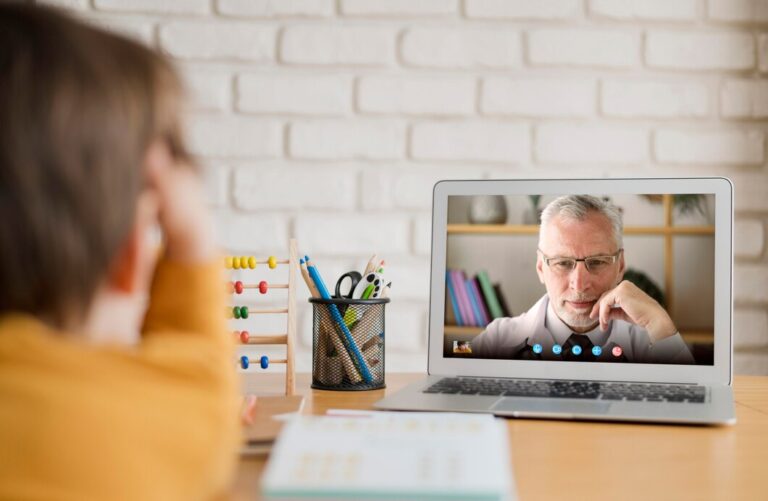
In today’s always-connected reality, learning how to protect your mental health online has become just as important as physical wellbeing. With smartphones, social media, streaming platforms, and constant notifications shaping our daily lives, maintaining mental health in a digital world is no longer optional—it’s essential. The internet offers endless opportunities for connection, learning, and entertainment, but it also brings challenges like stress, anxiety, comparison, and information overload. Understanding online mental health protection and building intentional habits can help you stay balanced, focused, and emotionally resilient in a hyper-digital environment.
The Reality of Mental Health in a Digital World
We are living in an era where screens dominate both work and personal life. From waking up to scrolling through notifications to ending the day watching videos, our minds rarely get a break. While technology has improved convenience and productivity, the relationship between mental health and internet usage is complex.
Excessive digital exposure can:
- Increase stress levels
- Disrupt sleep cycles
- Trigger comparison and low self-esteem
- Lead to internet addiction and mental health issues
- Reduce real-life social interaction
At the same time, the internet can also be a powerful tool for support, education, and therapy. The key lies in finding a healthy balance and applying effective digital wellbeing strategies.
Understanding the Impact of Social Media on Mental Health
One of the most significant contributors to digital stress is the impact of social media on mental health. Platforms are designed to capture attention, often encouraging comparison, validation-seeking, and endless scrolling.
Common Effects of Social Media
1. Social Media Anxiety
Constant updates, likes, and comments can create pressure to stay relevant. This leads to social media anxiety, where individuals feel stressed about their online presence.
2. Comparison Culture
People often compare their real lives to curated online highlights, which can lower self-esteem and create dissatisfaction.
3. Fear of Missing Out (FOMO)
Seeing others’ experiences can lead to feelings of exclusion or inadequacy.
4. Information Overload
Too much content can overwhelm the brain, making it harder to focus and process information.
5. Validation Dependency
Relying on likes and comments for self-worth can harm emotional stability.
Understanding these effects is the first step toward how to protect your mental health from social media.
Signs Your Digital Habits Are Affecting Your Mental Health
Recognizing early warning signs can help you take action before things escalate. Here are common indicators:
- Feeling anxious after scrolling
- Difficulty focusing without checking your phone
- Trouble sleeping due to screen time
- Mood swings linked to online interactions
- Reduced productivity
- Avoiding offline relationships
- Constant urge to check notifications
If these signs sound familiar, it’s time to explore digital mental health tips and make intentional changes.
How to Stay Mentally Healthy Online
Maintaining balance doesn’t mean quitting technology altogether. Instead, it’s about mindful usage and healthy boundaries. Here’s how to stay mentally healthy online:
1. Set Clear Screen Time Limits
One of the most effective tips to reduce screen time and improve mental health is setting boundaries. Use app timers or digital wellbeing tools to monitor usage.
- Limit social media to specific hours
- Avoid screens during meals
- Set a “digital curfew” before bedtime
These small changes can significantly improve screen time and mental health.
2. Curate Your Digital Environment
Your online space should support your wellbeing.
- Unfollow accounts that trigger negativity
- Follow content that educates, inspires, or relaxes
- Mute or block harmful content
This is a simple yet powerful way to reduce social media anxiety.
3. Practice Mindful Consumption
Instead of endless scrolling, be intentional:
- Ask: “Why am I opening this app?”
- Limit passive scrolling
- Engage only with meaningful content
Mindfulness reduces stress and improves online stress management techniques.
4. Take Regular Breaks
Frequent breaks are essential for online mental health protection.
- Follow the 20-20-20 rule (every 20 minutes, look at something 20 feet away for 20 seconds)
- Step away from screens every hour
- Schedule offline activities
This helps reset your mind and improves focus.
Digital Detox: A Powerful Reset
A digital detox routine is one of the most effective ways to regain control over your mental health.
What is a Digital Detox?
A digital detox involves reducing or eliminating screen usage for a specific period to improve clarity, focus, and emotional wellbeing.
Digital Detox Benefits
The digital detox benefits are both immediate and long-term:
- Reduced anxiety and stress
- Better sleep quality
- Improved focus and productivity
- Stronger real-life relationships
- Increased self-awareness
Many people report feeling mentally lighter and more present after even a short break.
Simple Digital Detox Tips for Better Mental Clarity
You don’t need to go offline completely. Start small:
- Turn off non-essential notifications
- Keep your phone out of the bedroom
- Designate screen-free zones at home
- Replace scrolling with hobbies
- Spend time outdoors
These simple digital detox tips for better mental clarity can make a noticeable difference.
Healthy Screen Habits for Everyday Life
Building healthy screen habits is key to long-term mental wellness.
Morning Routine
- Avoid checking your phone immediately after waking up
- Start your day with stretching, meditation, or journaling
Work Routine
- Take scheduled breaks
- Avoid multitasking across multiple screens
- Maintain proper posture and lighting
Evening Routine
- Reduce screen exposure before bed
- Avoid stimulating content late at night
- Create a calming bedtime ritual
These habits help maintain a balanced relationship between technology and wellbeing.
Online Stress Management Techniques
Managing stress in a digital environment requires conscious effort. Here are practical online stress management techniques:
1. Deep Breathing Exercises
Take a few minutes to breathe deeply when feeling overwhelmed.
2. Digital Journaling
Writing your thoughts can help process emotions.
3. Guided Meditation
Use digital tools for mindfulness without overuse.
4. Time Blocking
Schedule specific times for work, social media, and relaxation.
5. Limit News Consumption
Constant exposure to negative news can increase anxiety.
Reducing Anxiety from Social Media
If you’re struggling with reduce anxiety from social media, try these strategies:
- Log out after each session
- Remove apps from your home screen
- Set daily usage limits
- Avoid checking social media before bed
- Focus on real-life connections
Consistency is key. Small changes lead to lasting improvements.
Social Media Break Benefits
Taking a break from social media can have profound effects.
Emotional Benefits
- Less comparison
- Reduced anxiety
- Improved mood
Cognitive Benefits
- Better concentration
- Increased creativity
- Clearer thinking
Social Benefits
- Stronger real-life relationships
- More meaningful conversations
The social media break benefits are often noticeable within days.
Mental Health Apps for Stress Relief
While excessive screen time can be harmful, technology can also support wellbeing. Several mental health apps for stress relief offer guided meditation, mood tracking, and therapy support.
How to Use Them Effectively
- Use them intentionally, not excessively
- Choose apps that align with your needs
- Avoid switching between multiple apps
These tools can complement your digital wellbeing strategies.
Building a Sustainable Digital Wellbeing Strategy
Long-term success requires consistency and awareness.
Key Elements of Digital Wellbeing Strategies
1. Awareness
Understand your digital habits and triggers.
2. Boundaries
Set limits for screen usage and online interactions.
3. Balance
Prioritize offline activities like exercise, hobbies, and relationships.
4. Reflection
Regularly evaluate how your digital habits affect your mood.
The Role of Self-Discipline in Online Mental Health Protection
Self-discipline plays a crucial role in maintaining mental health in a digital world. Without it, even the best strategies fail.
Tips to Build Discipline
- Start with small, achievable goals
- Track your progress
- Reward yourself for consistency
- Stay accountable
Developing discipline ensures lasting improvements in your digital lifestyle.
Creating a Personalized Digital Detox Routine
Everyone’s needs are different. A personalized digital detox routine ensures better results.
Step-by-Step Guide
- Identify your most-used apps
- Track your screen time
- Set realistic limits
- Replace digital habits with offline alternatives
- Gradually increase detox duration
Consistency is more important than intensity.
Protecting Children and Teenagers Online
Young people are especially vulnerable to digital stress.
Tips for Parents
- Encourage open communication
- Set screen time limits
- Promote offline activities
- Educate about online safety
Helping children develop healthy screen habits early can prevent long-term issues.
The Future of Mental Health and Internet Usage
As technology continues to evolve, the relationship between mental health and internet usage will become even more complex. Artificial intelligence, virtual reality, and immersive platforms will bring new challenges and opportunities.
The key will always remain the same: balance, awareness, and intentional use.
Final Thoughts
Learning how to protect your mental health online is not about avoiding technology—it’s about using it wisely. By understanding the impact of social media on mental health, practicing online stress management techniques, and adopting digital detox benefits, you can create a healthier relationship with the digital world.
Start small. Be consistent. Stay mindful.
Your mental wellbeing is worth protecting—even in a hyper-digital world.
About the Author