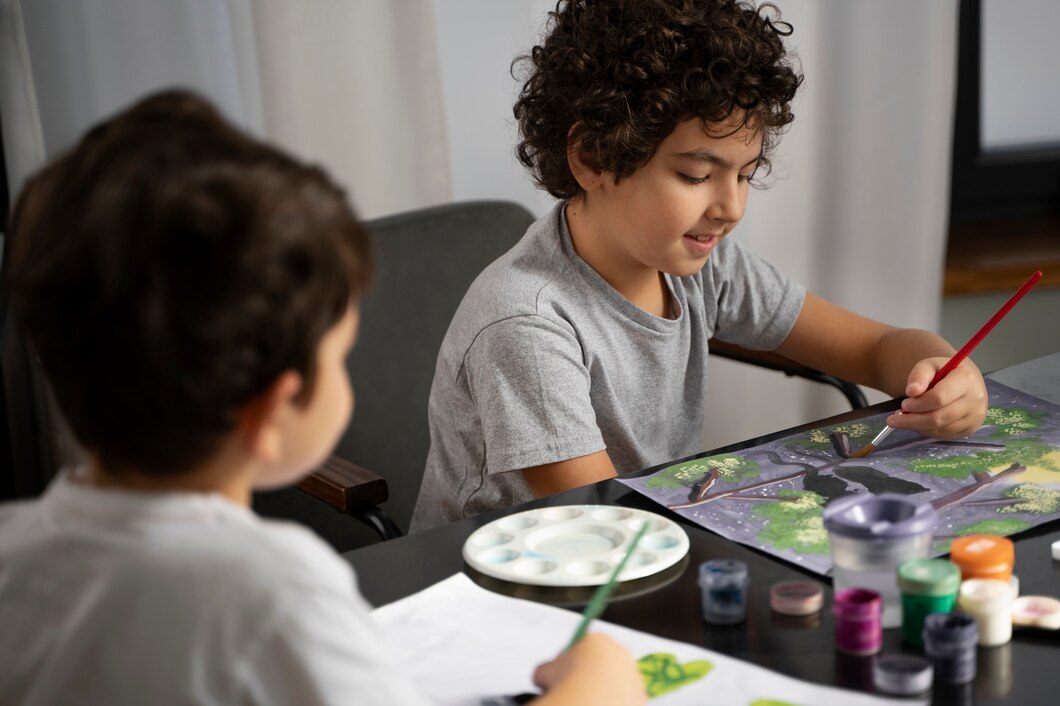
In today’s digital world, children are spending more time than ever on smartphones, tablets, televisions, gaming consoles, and other digital devices. While technology can support learning and entertainment, excessive screen exposure has created growing concerns among parents, teachers, and health experts. This is why screen-free activities for children have become more important than ever. The importance of screen-free activities lies in helping children develop creativity, social skills, emotional balance, physical health, and stronger family relationships. From outdoor games and reading to arts and crafts, there are many screen-free activities for kids that support healthy growth and reduce dependency on digital devices.
The Growing Impact of Screens on Childhood
Modern children grow up surrounded by technology. Screens are part of education, entertainment, and communication. Many kids spend hours watching videos, scrolling social media, playing games, or attending online classes. While some screen usage can be educational, too much exposure can negatively affect child development and screen time balance.
Studies and parenting experts often discuss the importance of reducing screen time because excessive use may lead to:
- Reduced physical activity
- Poor sleep habits
- Lack of concentration
- Social isolation
- Increased anxiety and stress
- Reduced creativity
- Behavioral challenges
Because of these issues, many families now focus on reducing screen time for children and introducing healthier alternatives.
Why Screen-Free Activities Are Important for Children
Parents often ask, “Why are screen-free activities important for kids?” The answer is simple: children learn best when they actively explore the world around them instead of passively staring at screens.
The benefits of screen-free activities go beyond entertainment. They help children improve their physical, emotional, intellectual, and social development.
1. Encourages Healthy Brain Development
Young minds develop rapidly during childhood. Creative thinking, imagination, problem-solving, and communication skills grow through real-world experiences. Screen-free play for children allows them to think independently rather than simply consuming digital content.
Activities like puzzles, storytelling, drawing, building blocks, and pretend play stimulate brain growth naturally. These educational activities without screens encourage children to use their imagination and strengthen cognitive abilities.
The benefits of screen-free activities for child development include:
- Better memory
- Improved focus
- Stronger language skills
- Enhanced creativity
- Critical thinking abilities
Child Development and Screen Time
Experts continue to study the connection between child development and screen time. Excessive digital exposure may interfere with important developmental milestones, especially in younger children.
Children need hands-on experiences to understand emotions, relationships, communication, and physical coordination. Too much screen time can reduce opportunities for active exploration.
This is why parents should encourage healthy activities for children without screens, such as:
- Nature walks
- Building toys
- Creative crafts
- Family conversations
- Reading books
- Outdoor games
These activities help children develop emotionally and socially in a more balanced way.
Importance of Outdoor Play for Children
One of the best ways to reduce screen dependency is by encouraging outdoor activities. The importance of outdoor play for children cannot be overstated because it supports both physical and mental health.
Outdoor activities help children:
- Stay physically active
- Improve coordination
- Build stronger muscles
- Develop confidence
- Explore creativity
- Reduce stress
Simple outdoor games like cycling, running, skipping rope, football, hide-and-seek, or gardening are excellent kids screen-free activities that keep children engaged naturally.
Fresh air and sunlight also improve mood and support healthy sleep patterns.
Mental Health and Screen Time in Children
Mental health concerns among children have increased in recent years, and excessive screen exposure is often part of the discussion. Constant digital stimulation can overwhelm children emotionally and mentally.
Mental health and screen time in children are closely connected because too much digital exposure may contribute to:
- Anxiety
- Mood swings
- Low self-esteem
- Attention problems
- Sleep disturbances
- Emotional dependency on devices
A digital detox for children can help reset emotional balance and reduce overstimulation.
Screen-free hobbies for kids provide healthier emotional outlets. Activities like painting, journaling, dancing, music, or sports help children relax while expressing themselves positively.
Benefits of Screen-Free Activities
There are countless benefits of screen-free activities that contribute to healthier childhood development.
Improves Physical Health
When children spend less time sitting with devices, they become more physically active. Active play for kids supports healthy body growth, better posture, and improved fitness.
Boosts Creativity
Creative screen-free activities for children encourage imagination and independent thinking. Unlike screens that provide instant entertainment, offline play allows children to create their own fun.
Enhances Social Skills
Screen-free activities for kids often involve teamwork, communication, and cooperation. Children learn empathy, patience, and relationship-building through real interactions.
Supports Better Sleep
Reducing screen time before bedtime improves sleep quality. Blue light from devices can interfere with natural sleep cycles.
Strengthens Family Bonds
Best screen-free activities for families create opportunities for meaningful connection. Shared experiences help build trust and communication between parents and children.
Healthy Childhood Habits Start Early
Children form habits during their early years. Encouraging a childhood without screens for long periods helps create balanced routines and healthier lifestyles.
Healthy childhood habits include:
- Reading regularly
- Playing outdoors
- Spending time with family
- Pursuing hobbies
- Being physically active
- Practicing creativity
When parents establish balanced screen time for kids early, children are more likely to develop healthy technology habits later in life.
Fun Screen-Free Activities for Kids at Home
Parents often wonder what are fun alternatives to screen time. Fortunately, there are many engaging activities children enjoy without needing digital devices.
Here are some fun screen-free activities for kids at home:
Arts and Crafts
Drawing, painting, origami, clay modeling, and DIY projects are excellent creative screen-free activities for children.
Reading Time
Books help improve imagination, vocabulary, and concentration. Reading together also supports family bonding activities.
Indoor Treasure Hunts
Treasure hunts encourage problem-solving and excitement while keeping children active indoors.
Cooking Together
Cooking teaches children practical life skills, teamwork, and creativity.
Board Games and Puzzles
Board games promote strategic thinking, patience, and social interaction.
Building Activities
Blocks, LEGO sets, and construction toys are excellent screen-free learning activities for kids.
Educational Activities Without Screens
Parents sometimes worry that reducing digital exposure may affect learning. However, many educational activities without screens can be just as effective — or even more beneficial.
Examples include:
- Science experiments
- Flashcards
- Storytelling games
- Crossword puzzles
- Math challenges
- Nature exploration
- Writing journals
These screen-free learning activities for kids encourage active participation and deeper understanding.
How to Reduce Screen Time for Children
Many parents struggle with how to reduce screen time for children without constant arguments or resistance. The key is creating balance instead of banning technology completely.
Set Clear Limits
Create daily screen schedules with defined limits for entertainment and educational use.
Encourage Offline Activities
Offer exciting offline activities for kids so children naturally spend less time with devices.
Be a Role Model
Children copy adult behavior. Parents should also practice balanced technology habits.
Create Screen-Free Zones
Keep devices out of bedrooms, dining tables, and family gathering areas.
Plan Family Activities
Regular family bonding activities help children enjoy real-world interactions more.
Reward Active Play
Encourage active play for kids through outdoor games, sports, and creative hobbies.
Screen-Free Hobbies for Kids
Introducing hobbies helps children discover new interests while reducing digital dependence.
Popular screen-free hobbies for kids include:
- Painting
- Gardening
- Dancing
- Photography
- Music
- Sports
- Chess
- Journaling
- Sewing
- Bird watching
These hobbies improve confidence, patience, and personal growth.
Why Childhood Without Screens Matters
A childhood without screens for every moment of the day allows children to experience real-world learning. Childhood should include exploration, creativity, friendships, outdoor adventures, and family conversations.
Technology is useful, but children also need opportunities to:
- Build social confidence
- Experience boredom creatively
- Solve problems independently
- Learn emotional regulation
- Stay physically active
The importance of screen-free activities becomes clear when children engage more fully with their surroundings.
Family Bonding Activities Without Screens
One major advantage of reducing device usage is improved family connection. Many families spend time together physically while remaining emotionally disconnected because everyone is focused on screens.
Best screen-free activities for families include:
Family Game Nights
Board games encourage laughter, teamwork, and conversation.
Camping Trips
Outdoor adventures help children reconnect with nature.
Cooking Meals Together
Preparing food together strengthens communication and cooperation.
Storytelling Sessions
Sharing stories helps children improve listening and imagination skills.
Gardening
Gardening teaches responsibility and patience while creating family memories.
Family bonding activities help children feel emotionally secure and connected.
Active Play for Kids Is Essential
Physical movement is critical for healthy development. Unfortunately, screens often replace active playtime.
Active play for kids helps:
- Improve coordination
- Support healthy weight
- Strengthen muscles
- Develop teamwork skills
- Improve confidence
- Reduce stress
Examples include:
- Running
- Swimming
- Football
- Cycling
- Jump rope
- Dancing
- Martial arts
These activities also support better mental health.
Digital Detox for Children
A digital detox for children does not mean removing all technology forever. Instead, it means intentionally taking breaks from screens to restore balance.
Benefits of a digital detox include:
- Better focus
- Improved sleep
- Reduced anxiety
- Increased creativity
- Stronger social interaction
- More physical activity
Families can start with small steps like:
- No screens during meals
- Screen-free weekends
- Outdoor evenings
- Family reading hours
Over time, children begin enjoying offline experiences more naturally.
Parenting Tips for Screen Time
Many parents feel overwhelmed by modern technology challenges. These parenting tips for screen time can help create healthier routines.
Focus on Quality Over Quantity
Educational and meaningful content is better than endless passive scrolling.
Keep Communication Open
Discuss online safety and balanced habits with children.
Avoid Using Screens as Babysitters
Encourage children to find creative entertainment instead.
Build Structured Routines
Daily routines help children balance school, play, exercise, and rest.
Encourage Friendships
Real-world friendships are important for emotional growth.
Balanced screen time for kids works best when families focus on moderation instead of strict punishment.
Ways to Keep Children Entertained Without Screens
Parents often ask about ways to keep children entertained without screens, especially during holidays or weekends.
Here are some simple ideas:
- Obstacle courses
- DIY craft projects
- Reading challenges
- Dance competitions
- Gardening
- Science experiments
- Scavenger hunts
- Puppet shows
- Baking sessions
- Nature photography
Children often become more creative once they spend less time relying on screens for entertainment.
Screen-Free Learning Activities for Kids
Learning does not always require digital devices. In fact, hands-on activities often improve memory and understanding.
Some excellent screen-free learning activities for kids include:
Reading Books
Books improve comprehension, vocabulary, and imagination.
Science Experiments
Simple experiments encourage curiosity and critical thinking.
Educational Board Games
Math games, word games, and strategy games support intellectual development.
Writing Stories
Creative writing strengthens language and communication skills.
Nature Exploration
Outdoor learning teaches children about science and the environment naturally.
These educational activities without screens encourage curiosity and independent learning.
Creative Screen-Free Activities for Children
Creativity is an important part of healthy childhood development. Unfortunately, excessive digital entertainment can reduce imaginative thinking.
Creative screen-free activities for children include:
- Painting
- Drawing
- DIY crafts
- Music lessons
- Dance
- Clay modeling
- Storytelling
- Puppet making
- Scrapbooking
- Building forts
Creative expression helps children process emotions and build confidence.
What Are the Benefits of Reducing Screen Time?
Many parents ask, “What are the benefits of reducing screen time?” The positive effects can be seen in almost every area of a child’s life.
Better Physical Health
Children become more active and physically healthy.
Improved Academic Focus
Reduced distractions support concentration and learning.
Stronger Relationships
Children interact more meaningfully with family and friends.
Healthier Sleep
Less screen exposure improves bedtime routines.
Greater Emotional Stability
Children experience lower stress and anxiety levels.
The benefits of screen-free activities become more noticeable over time as children adapt to balanced routines.
How Do Screen-Free Activities Help Children?
Parents also wonder, “How do screen-free activities help children?” These activities encourage holistic growth by supporting emotional, physical, social, and intellectual development.
Screen-free play for children teaches important life skills such as:
- Communication
- Patience
- Teamwork
- Creativity
- Independence
- Problem-solving
Children learn through experience, exploration, and interaction rather than passive observation.
How Much Screen Time Is Healthy for Children?
Experts recommend balanced screen usage depending on a child’s age. While guidelines vary, most specialists agree that moderation is important.
How much screen time is healthy for children depends on:
- Age
- Educational needs
- Sleep quality
- Physical activity levels
- Emotional health
Parents should focus on creating balanced screen time for kids while ensuring enough time for exercise, sleep, hobbies, and social interaction.
Offline Activities for Kids Build Real-Life Skills
Offline activities for kids teach practical and emotional skills that screens cannot fully replace.
Examples include:
- Team sports
- Art projects
- Community activities
- Cooking
- Gardening
- Music practice
These experiences help children develop confidence and independence.
The Role of Schools in Reducing Screen Dependency
Schools also play an important role in promoting healthy activities for children without screens.
Teachers can encourage:
- Outdoor learning
- Group discussions
- Creative projects
- Reading programs
- Hands-on science activities
Educational institutions that support balanced learning help children avoid excessive digital dependence.
Why Parents Should Encourage Screen-Free Play
Screen-free play for children is not about removing technology completely. It is about giving children opportunities to grow through real experiences.
Children who regularly participate in kids screen-free activities often develop:
- Better emotional intelligence
- Improved communication skills
- Greater creativity
- Stronger physical health
- Better self-control
Parents who encourage offline exploration help children develop healthier relationships with technology.
The Future of Healthy Digital Balance
Technology will continue to play a major role in modern life. Instead of avoiding technology completely, families should focus on balance.
The goal is to teach children how to use technology responsibly while still enjoying:
- Outdoor adventures
- Creative hobbies
- Real conversations
- Physical movement
- Family activities
- Independent play
Balanced routines support healthier development and emotional well-being.
Building a Lifestyle Around Healthy Activities
The best way to support children is by building a lifestyle that values healthy activities for children without screens.
Families can create simple daily habits such as:
- Morning walks
- Reading before bedtime
- Family meals without devices
- Weekend outdoor activities
- Hobby time
- Creative projects
These routines help children appreciate offline experiences naturally.
Conclusion
In today’s digital age, the need for screen-free activities is more important than ever. While screens can provide entertainment and educational benefits, excessive use can negatively affect physical health, emotional well-being, creativity, social skills, and overall child development.
By encouraging screen-free activities for kids, parents can help children develop healthier habits, stronger relationships, and greater emotional balance. Whether through outdoor games, creative hobbies, educational projects, or family bonding activities, offline experiences provide children with essential life skills that screens alone cannot offer.
The benefits of screen-free activities for child development include improved focus, better communication, stronger creativity, healthier sleep, and increased physical activity. Reducing screen time for children does not mean eliminating technology entirely. Instead, it means creating balanced routines that prioritize real-world experiences alongside healthy digital habits.
As families continue navigating modern technology, the importance of reducing screen time and promoting active, meaningful play will remain essential for raising confident, healthy, and emotionally resilient children.
About the Author