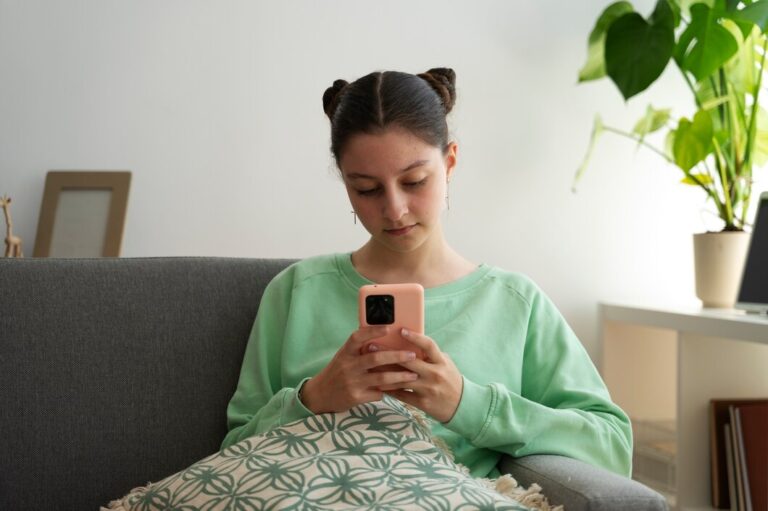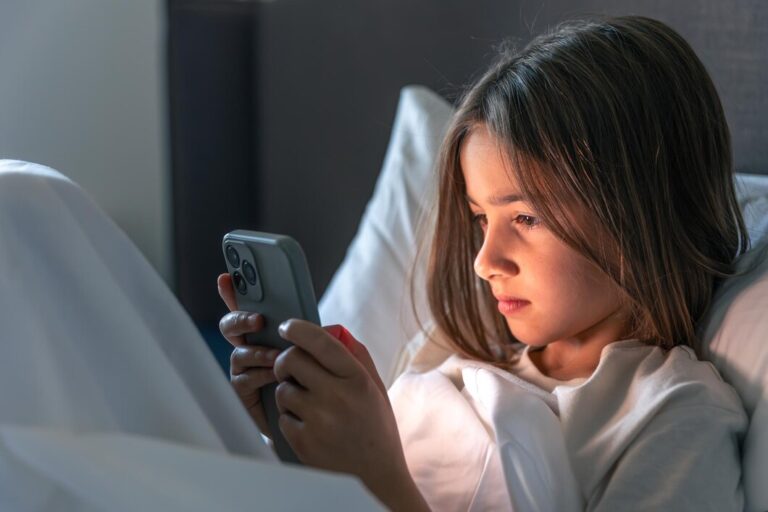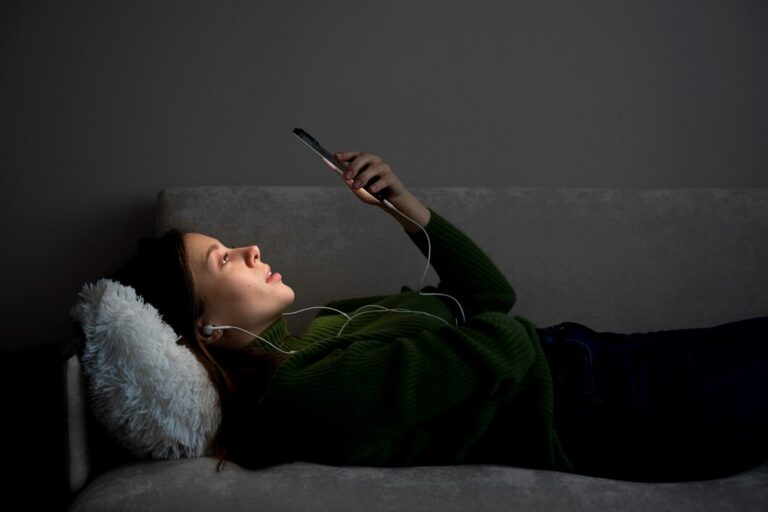
Getting enough quality sleep is essential for physical health, mental well-being, concentration, and daily energy. However, busy schedules, stress, irregular bedtime routines, and excessive phone use can make consistent sleep difficult. This is where the best sleep apps can become useful tools for building healthier nighttime routines and understanding personal sleep patterns.
Modern sleep tracking apps can monitor factors such as sleep duration, bedtime consistency, movement, and wake periods, while other sleep improvement apps focus on meditation, relaxing sounds, breathing exercises, or bedtime coaching. Some combine several of these features into one platform. The right choice depends on whether you want detailed sleep data, guided relaxation, a structured routine, or a simple free solution.
This guide explains how sleep apps work, what features to compare, how different types of apps support better sleep, and how they can fit into healthier digital habits.
What Are Sleep Apps?
Sleep apps are smartphone or wearable-connected applications designed to help users understand, manage, or improve their sleep habits. Depending on the app, they may offer sleep tracking, relaxation exercises, meditation, bedtime reminders, sleep sounds, smart alarms, or personalized recommendations.
There are several categories of sleep applications. Sleep monitoring apps primarily collect information about sleeping patterns. Sleep meditation apps provide guided meditations, breathing exercises, calming stories, or relaxing audio. Other sleep improvement apps combine tracking with behavioral recommendations and bedtime routines.
Some applications use information from a smartphone’s sensors, while others connect with smartwatches, fitness trackers, or specialized sleep technology. The amount of information collected varies significantly between apps.
Common features include:
- Sleep duration tracking
- Bedtime and wake-time monitoring
- Sleep schedules and reminders
- Sleep sound libraries
- Guided meditation
- Breathing exercises
- Relaxation programs
- Sleep journals
- Smart alarms
- Sleep trend reports
- Integration with wearable devices
- Personalized sleep recommendations
Sleep apps should generally be viewed as wellness tools rather than medical diagnostic devices. If persistent sleep problems are affecting everyday life, professional medical advice may be more appropriate than relying solely on an app.
How Sleep Apps Work
The technology behind sleep apps varies depending on their purpose and the device being used.
A basic smartphone application may allow you to manually record when you go to bed and wake up. More advanced sleep tracking apps can use phone sensors, microphones, or connected wearables to estimate sleep-related information.
Smartphone-Based Tracking
Some apps use the phone’s accelerometer or other sensors to detect movement. If the phone is placed near the bed, changes in movement may help the app estimate periods of rest and wakefulness.
Certain applications also use sound analysis. For example, they may detect environmental noises or movement-related sounds during the night. These measurements can then be presented as graphs or summaries.
Wearable-Based Tracking
Smartwatches and fitness trackers can collect additional information, such as movement and heart-rate-related measurements. A connected sleep app may combine this information to provide a broader picture of nighttime patterns.
Because different devices use different sensors and algorithms, results can vary. A sleep score generated by one platform should not automatically be treated as a precise measurement of sleep quality.
Behavioral Features
Not every sleep app is focused on tracking. Some concentrate on changing nighttime behavior.
For example, an application may:
- Encourage a consistent bedtime.
- Send a reminder to begin winding down.
- Offer breathing exercises.
- Play relaxing sounds.
- Guide users through meditation.
- Encourage reduced phone activity before bed.
This makes sleep technology useful not only for measuring sleep but also for creating a repeatable bedtime routine.
Best Sleep Apps
The best apps for sleep depend on what you want to accomplish. Someone interested in meditation may need a completely different application from someone who wants detailed sleep statistics.
Instead of looking for one universal winner, consider the category that matches your personal goal.
Best Overall
For an overall sleep solution, look for an app that combines sleep tracking, relaxation tools, bedtime routines, and useful insights.
An effective all-around sleep app should make its information easy to understand rather than overwhelming you with statistics. Features such as sleep schedules, sleep trend reports, calming audio, and personalized recommendations can make the application more useful for everyday routines.
The best overall option for you may be one that fits naturally into your existing habits. If you already use a smartwatch, for example, choosing an app that integrates with your wearable can reduce the need to enter information manually.
Look for:
- Sleep tracking
- Bedtime reminders
- Sleep trend analysis
- Relaxation content
- Wearable integration
- Simple reports
- Privacy controls
Best for Meditation
If stress or an active mind makes it difficult to relax at bedtime, a meditation-focused application may be more appropriate.
Sleep meditation apps typically provide guided sessions designed for nighttime use. These can include breathing exercises, body scans, mindfulness sessions, relaxing stories, and ambient sounds.
Meditation-focused applications are especially useful for people who want less emphasis on numerical sleep data and more emphasis on creating a calm transition between daytime activities and bedtime.
When comparing these apps, consider the length of sessions, variety of content, offline availability, personalization, and subscription requirements.
A five-minute breathing session may be useful on busy nights, while longer guided meditations or sleep stories may suit people who prefer a more gradual wind-down.
Best for Sleep Tracking
People who enjoy understanding their sleep patterns may prefer dedicated sleep tracking apps.
These apps can organize information such as:
- Time spent in bed
- Estimated sleep duration
- Bedtime consistency
- Wake-up time
- Nighttime interruptions
- Sleep trends
- Movement during sleep
When connected to compatible wearable devices, they may provide additional measurements.
However, more data does not necessarily mean better sleep. A good tracking app should help you identify meaningful patterns rather than encourage constant checking of your sleep score.
For example, noticing that you regularly go to bed much later on weekends may be more useful than focusing on small nightly changes in estimated sleep stages.
Best Free Option
A free sleep app can be a practical starting point for someone who wants to experiment without committing to a subscription.
Free applications may offer basic sleep tracking, reminders, meditation sessions, sounds, or sleep journals. Some provide optional premium subscriptions for additional programs, deeper analytics, or expanded content libraries.
Before choosing a free option, check what is actually included without payment. Also review advertising, data collection, account requirements, and limitations on the number of available sessions or reports.
A free application can be enough if your primary goal is simply to establish a consistent bedtime routine.
Features to Compare
When comparing the best sleep apps, focus on features that match your actual needs rather than choosing an app because it has the longest feature list.
Sleep Tracking Accuracy
If tracking is your priority, investigate how the application collects its data. Does it rely on a phone, smartwatch, fitness tracker, or manual entries?
Remember that consumer sleep technology generally estimates sleep rather than directly measuring every aspect of sleep in a clinical setting.
Sleep Reports
A useful report should be understandable and actionable.
Look for applications that show long-term trends rather than only presenting a daily score. Weekly or monthly patterns can help you recognize changes in your schedule.
Meditation and Relaxation
For people dealing with bedtime stress, relaxation content can be more valuable than detailed tracking.
Check whether the app includes guided meditation, breathing exercises, sleep stories, white noise, nature sounds, or other calming content.
Smart Alarms
Some applications offer alarms intended to wake you during a particular period of lighter estimated sleep. While this can be an interesting feature, it should not be treated as a guarantee of waking at an ideal sleep stage.
Bedtime Reminders
Simple reminders can support consistency. An app might notify you when it is time to begin your nighttime routine rather than waiting until your planned bedtime.
Wearable Compatibility
If you already use a smartwatch or fitness tracker, compatibility can make an important difference.
Check whether the app works with your particular device and whether all features require a specific wearable.
Privacy and Data Security
Sleep applications can collect personal information about your routines, activity, and potentially health-related measurements.
Before installing an app, review:
- What data it collects
- Why the data is collected
- Whether information is shared with third parties
- Account requirements
- Data deletion options
- Privacy settings
- Whether sensitive information is used for personalization
Privacy deserves the same attention as features and pricing.
Pricing
Many sleep applications use a freemium model. Basic features may be free, while advanced tracking, meditation libraries, or personalized programs require a subscription.
Compare the actual features you need instead of choosing solely based on the monthly price.
Do Sleep Apps Really Help?
Sleep apps can help some people, but their usefulness depends on how they are used.
A tracking app can make sleep patterns more visible. For example, you might discover that inconsistent bedtimes or late-night phone use regularly coincide with shorter sleep periods.
A meditation application may also help establish a calming pre-bed routine. Guided breathing or relaxation exercises can provide a structured activity that replaces stimulating nighttime scrolling.
However, an app cannot compensate for an unsuitable sleep environment, an inconsistent schedule, excessive caffeine intake, or an underlying sleep disorder.
There is also a potential downside to excessive sleep tracking. Some people may become overly focused on achieving a particular sleep score. Instead of becoming more relaxed about sleep, they may become anxious about every night’s data.
The goal should therefore be better sleep habits, not perfect app statistics.
Sleep Apps vs Better Digital Habits
One of the most important considerations when using sleep apps is the role of the smartphone itself.
Your phone can simultaneously be part of the solution and part of the problem.
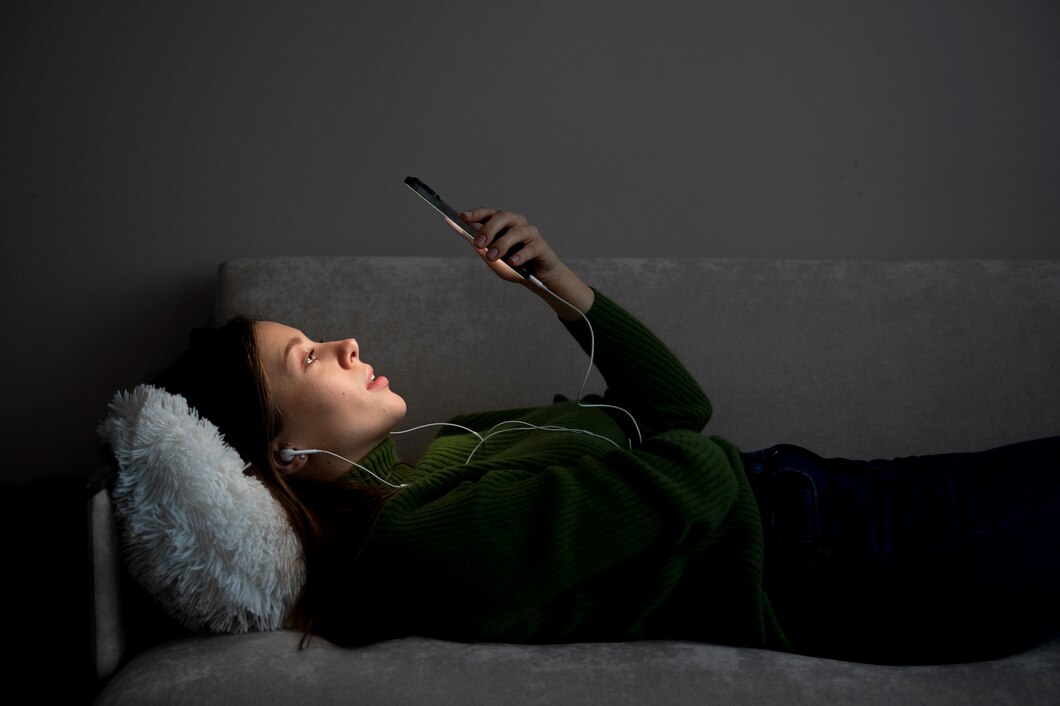
Opening a meditation app before bed may be beneficial. But checking social media, responding to messages, watching short-form videos, or browsing news immediately afterward can undermine the purpose of a wind-down routine.
A healthier approach is to use technology intentionally.
Create a Digital Wind-Down Routine
Set a specific time when stimulating phone activities stop. After that point, use your phone only for activities that support sleep, such as meditation, relaxing audio, or an alarm.
Reduce Notifications
Unnecessary notifications can encourage repeated phone checking. Turning off nonessential notifications can create a quieter digital environment.
Use Nighttime Settings
Depending on your device, features such as Do Not Disturb, scheduled Focus modes, and reduced notifications can help limit interruptions.
Keep the Routine Simple
You do not need five different applications to improve sleep. One tracking tool and one relaxation resource may be enough.
Avoid Checking Sleep Scores Immediately
If tracking creates anxiety, consider reviewing your data less frequently. Weekly trends can sometimes be more useful than obsessively checking a score every morning.
The most useful sleep improvement apps should support healthy habits without encouraging more unnecessary screen time.
How to Choose the Right Sleep App
Start by identifying your main objective.
If you want to understand your sleep, prioritize sleep tracking and trend reports.
If your biggest challenge is relaxing before bed, consider meditation, breathing, and audio features.
If you struggle with consistency, look for reminders, scheduling tools, and bedtime routines.
If you already use a smartwatch, prioritize wearable compatibility.
If privacy is important, carefully review the application’s data practices before creating an account.
You should also consider how much interaction you want. Some people enjoy analyzing detailed sleep information, while others prefer a simple bedtime reminder and relaxing sound.
The right app is ultimately the one whose features fit your routine without making bedtime more complicated.
FAQ
What are the best sleep apps for improving sleep?
The best sleep apps depend on your goal. Tracking-focused apps can help identify sleep patterns, while meditation-focused apps can support relaxation. Look for a combination of useful features, ease of use, privacy controls, and reasonable pricing.
Are sleep tracking apps accurate?
Sleep tracking apps can provide useful estimates and trends, but they are not necessarily equivalent to clinical sleep testing. Accuracy varies according to the device, sensors, software, and tracking method.
Do sleep meditation apps help with relaxation?
They can be useful as part of a consistent bedtime routine. Guided meditation, breathing exercises, calming stories, and relaxing sounds may help create a quieter transition from daytime activity to sleep.
Are free sleep apps worth using?
Yes. Free applications can provide useful features such as basic tracking, reminders, sounds, or meditation. However, premium versions may provide additional content or analytics.
Can sleep apps replace a doctor?
No. Sleep apps are generally wellness and tracking tools rather than replacements for professional evaluation. Persistent or severe sleep difficulties should be discussed with an appropriate healthcare professional.
Should I use my phone before bed for a sleep app?
Using your phone briefly for a calming sleep activity may be different from extended recreational screen use. To reduce distractions, use Do Not Disturb or similar settings and avoid switching from a sleep app to social media or other stimulating content.
What is sleep technology?
Sleep technology refers to digital tools and connected devices designed to track, understand, or support sleep. It can include smartphone applications, smartwatches, fitness trackers, sleep monitors, and other connected devices.
How can sleep apps support healthier digital habits?
They can provide a structured reason to use your phone at bedtime instead of engaging in endless scrolling. The key is intentional use: open the app for a specific sleep-related activity, complete the routine, and put the device away.
Final Thoughts
The best apps for sleep are not necessarily the ones with the most advanced dashboards or the largest feature lists. A useful sleep app should help you understand your routine, encourage consistent habits, or make it easier to relax before bed.
Whether you choose a dedicated tracker, meditation platform, free sleep tool, or wearable-connected application, focus on features that address your specific needs. Just as importantly, avoid allowing sleep technology to become another source of nighttime screen engagement.
Used thoughtfully, sleep apps can become one part of a broader strategy for better rest and healthier digital habits.
About the Author