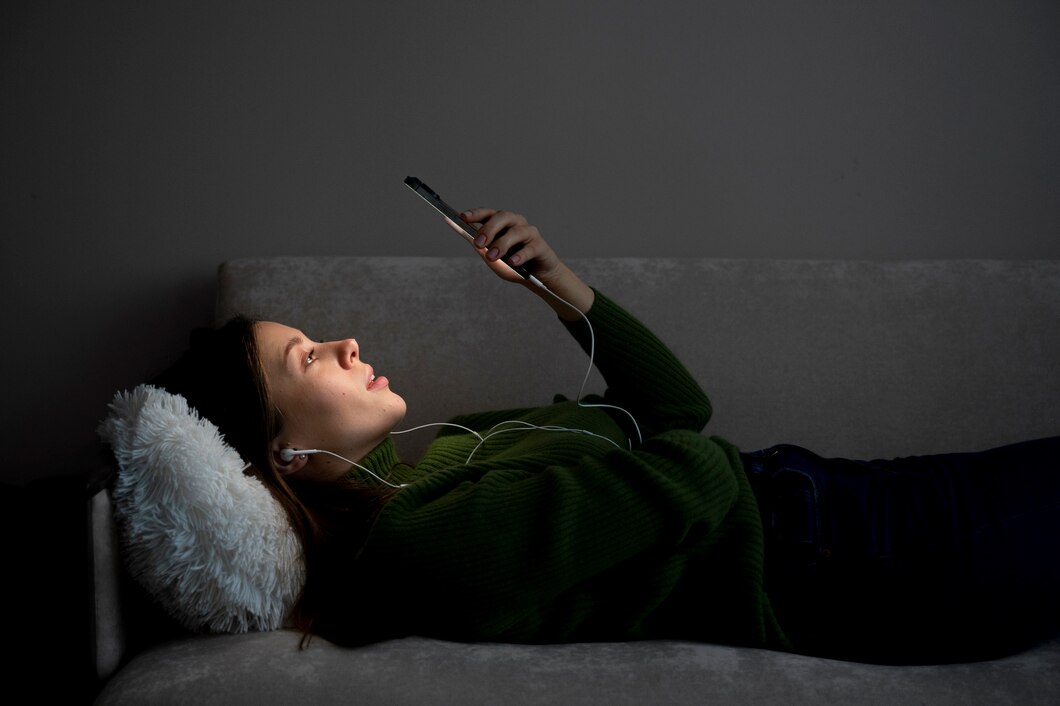
In today’s connected world, many people spend hours scrolling through social media, watching videos, checking emails, and responding to messages long after the sun goes down. While technology has made life more convenient, excessive screen exposure has created a growing sleep crisis. If falling asleep feels difficult, mornings leave you drained, or mental fatigue follows you throughout the day, a digital detox focused on better sleep could be the reset your body and mind have been missing. By reducing screen exposure and creating healthier nighttime habits, you can improve sleep quality, restore energy levels, and support overall well-being.
Research and real-life experiences continue to show that excessive screen use, especially at night, negatively affects sleep patterns. The blue light emitted by smartphones, tablets, laptops, and televisions can interfere with melatonin production, making it difficult to fall asleep naturally. This is why more people are turning to a 7-day digital detox as a practical solution for achieving better sleep, improving mental clarity, and restoring overall well-being.
This comprehensive guide will help you understand the connection between technology and sleep while providing a step-by-step 7-day digital detox plan for sleep improvement. By following this plan, you can develop healthier habits, achieve meaningful sleep improvement, and enjoy the many digital detox benefits that come from reducing screen dependence.
Understanding the Connection Between Sleep and Screen Time
Before beginning a digital detox challenge, it is important to understand why technology impacts sleep so significantly.
The human body follows a natural internal clock known as the circadian rhythm. This biological process regulates sleeping and waking patterns based on exposure to light and darkness. When screens emit blue light in the evening, the brain interprets this light as daytime, delaying melatonin release.
This disruption creates several issues:
- Difficulty falling asleep
- Frequent nighttime awakenings
- Reduced sleep quality
- Morning fatigue
- Poor concentration
- Increased stress levels
The relationship between sleep and screen time has become a major concern among sleep experts. Many adults unknowingly sabotage their rest through excessive device use before bedtime. Understanding how screen time affects sleep quality is the first step toward making meaningful changes.
Why a Digital Detox Helps Sleep
A digital detox for sleep means deliberately cutting back on or avoiding non-essential screen use for a set amount of time. The goal is to minimize digital distractions, reduce exposure to blue light, and create a healthier environment that supports deeper, more restorative sleep. The goal is not to eliminate technology forever but to establish healthier boundaries.
A successful technology detox helps:
- Reduce mental stimulation before bed
- Support natural melatonin production
- Encourage relaxation
- Decrease stress and anxiety
- Improve sleep quality
- Increase daytime energy
- Promote emotional balance
Many people notice significant improvements within just one week of practicing a structured nighttime digital detox.
Signs You Need a Digital Detox
You may benefit from a digital detox and better sleep habits if you experience any of the following:
- Checking your phone immediately after waking up
- Using devices until the moment you fall asleep
- Waking up during the night to check notifications
- Feeling anxious when separated from your phone
- Struggling with insomnia
- Experiencing daytime fatigue
- Having difficulty focusing
- Spending more than three hours daily on social media
These signs indicate that your technology use may be interfering with your physical and mental recovery.
Benefits of a Digital Detox for Sleep Quality
The benefits of a digital detox for sleep quality extend far beyond simply getting more rest.
Improved Sleep Duration
When screen exposure decreases, the brain can prepare for sleep more efficiently, allowing you to fall asleep faster and stay asleep longer.
Better Mental Health
A digital detox challenge for mental health and sleep can reduce stress, anxiety, and information overload.
Enhanced Focus
Less digital distraction improves attention span and productivity throughout the day.
Increased Energy
Quality sleep leads to improved physical recovery and greater daily energy levels.
Stronger Relationships
Spending less time on devices creates more opportunities for meaningful face-to-face interactions.
Better Emotional Regulation
Proper rest supports healthier emotional responses and resilience.
These positive outcomes demonstrate why sleep quality improvement through digital detox has become such a popular wellness strategy.
Preparing for Your 7-Day Digital Detox
Before beginning your 7-day digital detox plan for sleep improvement, take a few minutes to assess your current habits.
Ask yourself:
- How many hours do I spend on screens each day?
- How often do I use devices before bedtime?
- Do I sleep with my phone next to my bed?
- How many times do I check notifications daily?
Tracking your daily habits creates a clear starting point and makes it easier to monitor improvements and changes as you move through the week.
Day 1: Track and Understand Your Digital Habits
The first day focuses on awareness.
Many people underestimate how often they interact with technology. Use your phone’s screen-time tracker to review your usage patterns.
Pay attention to:
- Social media time
- Video streaming
- Messaging apps
- Evening screen usage
Understanding your behavior is essential when learning how to do a digital detox for better sleep.
Today’s Goal:
- Monitor screen use without making major changes.
- Identify peak usage times.
- Notice how you feel after extended device use.
Awareness creates the foundation for lasting digital wellness.
Day 2: Reduce Screen Time Before Bed
Now that you understand your habits, begin limiting screen time before bed.
Start by creating a technology cutoff time.
A good starting point is:
- No screens one hour before bedtime.
This simple adjustment significantly supports better sleep naturally.
Instead of scrolling, try:
- Reading a physical book
- Journaling
- Gentle stretching
- Meditation
- Listening to calming music
These activities help your brain transition into sleep mode more effectively.
Learning to reduce phone use before bed for better sleep is one of the most impactful changes you can make.
Day 3: Create a Screen-Free Sleep Environment
Today’s focus is creating a bedroom that promotes rest.
A true screen-free sleep environment means removing unnecessary digital distractions.
Recommendations include:
- Charging phones outside the bedroom
- Using a traditional alarm clock
- Turning off television screens
- Eliminating bright electronic lights
A calm sleep environment reinforces healthy sleep cues and supports long-term sleep reset success.
The bedroom should become a place associated with relaxation rather than digital stimulation.
Day 4: Establish a Bedtime Routine for Better Sleep
A consistent bedtime routine for better sleep signals to your brain that it is time to rest.
Create a routine lasting 30 to 60 minutes.
Consider activities such as:
- Taking a warm shower
- Reading
- Breathing exercises
- Herbal tea
- Gratitude journaling
Repeating the same routine nightly strengthens your body’s internal sleep signals.
This practice is one of the most effective sleep hygiene tips available.
A predictable routine supports deeper sleep and helps reset your sleep cycle over time.
Day 5: Practice Unplugging From Devices During the Day
Although nighttime habits matter most, daytime technology use also affects sleep.
Today, schedule intentional breaks for unplugging from devices.
Examples include:
- Device-free meals
- Walking without your phone
- Offline hobbies
- Face-to-face conversations
These small actions strengthen your ability to disconnect and support overall digital wellness habits.
Reducing constant digital stimulation lowers stress levels and helps prepare the brain for restful sleep later in the evening.
Day 6: Replace Screen Time With Restorative Activities
Many people struggle with a technology detox because they focus only on what they are removing rather than what they are gaining.
Today, replace digital activities with healthy alternatives.
Ideas include:
- Yoga
- Meditation
- Reading
- Creative hobbies
- Gardening
- Exercise
- Cooking
These activities contribute to a complete digital detox for mind and body reset.
They also improve mood and encourage relaxation, making it easier to fall asleep naturally.
This step highlights one of the greatest digital detox benefits—creating more space for meaningful experiences.
Day 7: Evaluate Your Progress and Build Long-Term Habits
Congratulations. You have completed your 7-day digital detox.
Take time to reflect on your experience.
Consider:
- Did you fall asleep faster?
- Do you feel more rested?
- Has your mood improved?
- Are you spending less time on your phone?
Most participants notice measurable sleep improvement by the end of the week.
The final step involves transforming short-term changes into lasting healthy digital habits.
Choose two or three practices you can continue permanently.
Examples include:
- No phone in the bedroom
- One-hour screen cutoff before bed
- Daily digital breaks
- Weekend digital detox sessions
Consistency is the key to maintaining better sleep results.
Best Digital Detox Practices for Restful Sleep
If you want long-term success, adopt these best digital detox practices for restful sleep.
Set Daily Screen Limits
Use built-in screen-time tools to monitor and manage usage.
Disable Non-Essential Notifications
Constant alerts keep the brain in a state of anticipation and stress.
Schedule Technology-Free Time
Designate specific periods each day for complete digital disconnection.
Use Night Mode Settings
Although not a complete solution, reducing blue light exposure can help.
Prioritize Offline Activities
Reading, exercise, and social interaction support healthier sleep patterns.
Maintain Consistent Sleep Times
Regular sleep schedules help reinforce your circadian rhythm.
These habits support sustainable digital wellness and improved sleep quality.
How to Break the Late-Night Screen Habit
One of the biggest obstacles to better sleep is learning how to break the late-night screen habit.
Try these strategies:
- Move chargers out of the bedroom
- Use app timers
- Create a relaxing bedtime ritual
- Keep books near your bed
- Turn off notifications after dinner
- Set digital curfews
Replacing habits gradually often leads to greater success than attempting drastic changes overnight.
Ways to Improve Sleep Without Medication
Many people search for ways to improve sleep without medication because they want natural and sustainable solutions.
A structured digital detox for sleep is among the most effective approaches.
Additional strategies include:
- Regular exercise
- Balanced nutrition
- Stress management
- Mindfulness practices
- Consistent sleep schedules
- Limiting caffeine intake
When combined with a nighttime digital detox, these practices create powerful conditions for restorative sleep.
How to Reset Your Sleep Cycle Naturally
If your sleep schedule feels completely off track, you may wonder how to reset your sleep cycle naturally.
The process begins with consistency.
Follow these guidelines:
- Wake up at the same time daily
- Get morning sunlight exposure
- Avoid naps longer than 30 minutes
- Reduce evening screen exposure
- Follow a consistent bedtime routine
These actions help synchronize your internal clock and support long-term sleep recovery.
Combining these strategies with a 7-day digital detox plan for sleep improvement often accelerates results.
The Long-Term Impact of Digital Wellness Habits
A successful digital detox challenge is not just about one week of change. It serves as a starting point for developing healthier relationships with technology.
Strong digital wellness habits help:
- Improve productivity
- Reduce stress
- Increase mindfulness
- Enhance relationships
- Support emotional health
- Promote better sleep naturally
As these habits become part of daily life, maintaining healthy sleep becomes much easier.
Conclusion
Modern technology offers incredible benefits, but excessive screen use can quietly undermine sleep, energy, focus, and overall well-being. Understanding how screen time affects sleep quality empowers you to take control of your health and create meaningful change.
A structured digital detox for better sleep provides a simple yet powerful solution. By following this 7-day digital detox, you can reduce digital overload, establish healthy sleep habits, and experience genuine sleep quality improvement through digital detox practices.
Whether your goal is to improve sleep quality, reduce screen time, develop healthier routines, or achieve a complete digital detox for mind and body reset, the journey begins with small daily choices. By embracing a screen-free bedtime routine for adults, practicing intentional unplugging from devices, and maintaining consistent digital wellness habits, you can enjoy deeper rest, greater energy, and a healthier relationship with technology.
The path to better sleep does not require expensive treatments or complicated solutions. Sometimes, all it takes is a commitment to disconnect from screens and reconnect with your body’s natural rhythm. Start your digital detox for sleep today and discover how a simple sleep reset can transform your nights and improve your days.
About the Author