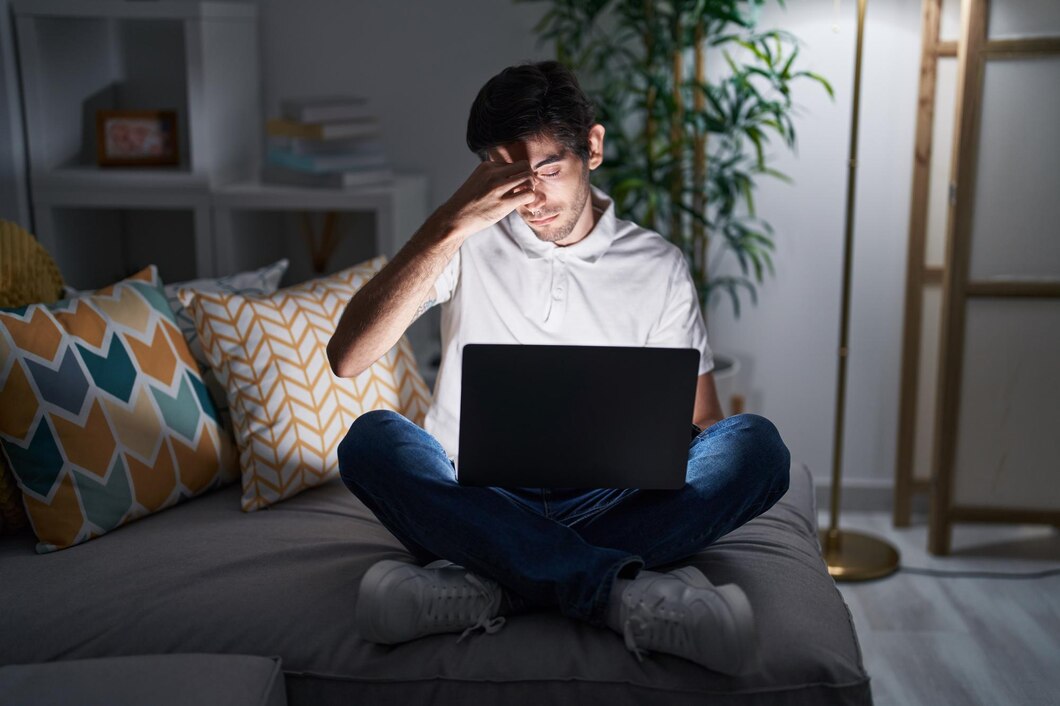
In today’s digital world, screen time is part of work, education, communication, entertainment, and everyday life. However, spending several hours looking at a phone, computer, tablet, or television can leave you tired after screen time. This feeling is often linked to screen fatigue, digital eye strain, mental overload, disrupted sleep, and long periods of inactivity. While screens do not affect everyone in exactly the same way, prolonged exposure can contribute to headaches, tired eyes, difficulty concentrating, irritability, and low energy. Understanding the reasons behind screen time exhaustion can help you recognize fatigue from screen time and make practical changes to feel more comfortable and energized.
What Is Screen Fatigue?
Screen fatigue refers to the physical and mental tiredness that can develop after spending extended periods using digital devices. It is not limited to one particular device. You may experience it after working on a computer, scrolling through a smartphone, attending virtual meetings, playing games, watching television, or moving between multiple screens throughout the day.
Screen-related tiredness can involve several forms of discomfort at the same time. Your eyes may feel dry or heavy, your head may hurt, and your attention may become weaker. You might also notice that simple tasks feel more mentally demanding after hours of digital activity.
This is why why screens make you tired is not explained by one single factor. A combination of visual effort, continuous attention, poor posture, reduced movement, notifications, emotional stimulation, and sleep disruption can contribute to the overall experience.
Why Do You Feel Tired After Using Screens?
There are several reasons behind feeling tired after using screens. Understanding these factors can make it easier to identify which habits may be contributing to your tiredness.
1. Your Eyes Work Continuously
One of the most common causes of eye strain from screens is the sustained visual effort required to focus on digital content. When reading a screen, your eyes constantly adjust to text size, contrast, brightness, movement, and viewing distance.
People also tend to blink less frequently while concentrating on a screen. Reduced blinking can contribute to dryness and irritation. If you spend many hours reading small text or working with detailed information, your eyes may become particularly uncomfortable.
Common symptoms can include:
- Dry or watery eyes
- Blurred vision
- Heavy or tired eyes
- Difficulty focusing
- Headaches
- Increased sensitivity to light
- Burning or irritation
- Frequent blinking
These are among the commonly recognized digital eye strain symptoms.
2. Prolonged Screen Use Requires Constant Attention
Screens are designed to keep information moving. Emails, messages, videos, advertisements, social media posts, alerts, and notifications can all compete for your attention.
When you constantly switch between tasks, your brain has to repeatedly redirect its focus. This can contribute to mental fatigue from screens, especially during long work or study sessions.
For example, someone may spend eight hours working on a laptop while also checking messages, responding to notifications, attending meetings, and browsing websites. Although the person may not be physically active, their mind can remain continuously engaged.
This helps explain the connection between screen time and fatigue. Mental effort can be exhausting even when the body has remained relatively still.
The Connection Between Screen Time and Sleep
Another important explanation for screen time exhaustion is its relationship with sleep.
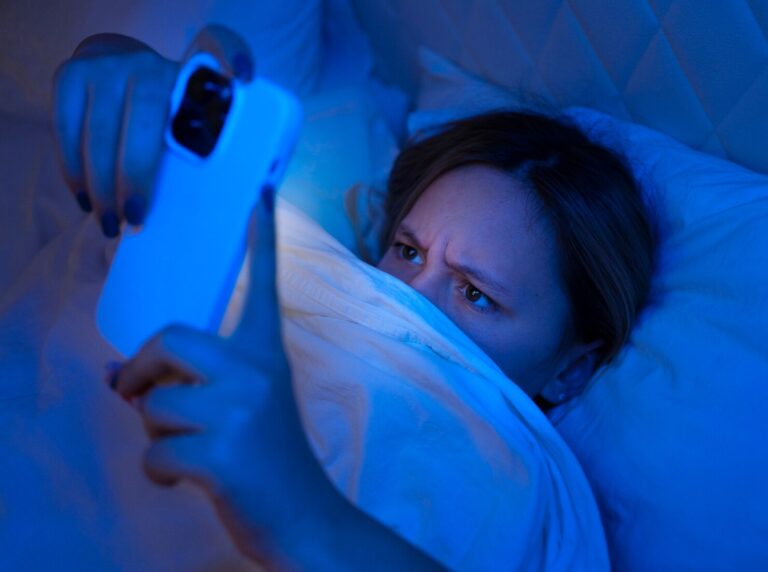
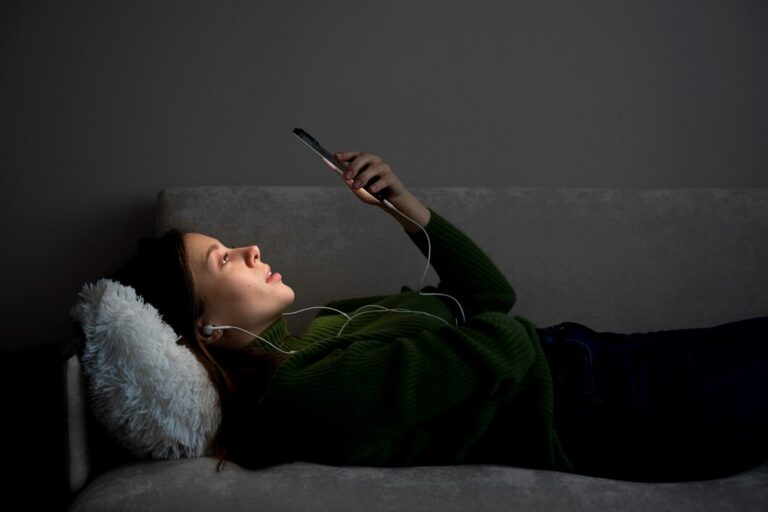
Using digital devices late at night can make it harder for some people to maintain a healthy sleep routine. Bright screens, stimulating content, work-related messages, gaming, social media, and videos can all encourage continued mental engagement when the body should be preparing for rest.
This is where screen time and sleep become closely connected. If you regularly stay up late using your phone or computer, you may shorten your sleep duration. Poor or insufficient sleep can then contribute to daytime tiredness.
The relationship can become a cycle:
More screen use at night → later bedtime → less sleep → daytime tiredness → reduced energy → more passive screen entertainment.
Breaking this pattern can make a meaningful difference in daytime energy.
Blue Light and Fatigue: What Is the Connection?
The topic of blue light and fatigue is frequently discussed when people experience tiredness after using digital devices. Screens emit blue-enriched light, and exposure to light in the evening can influence the body’s internal timing system.
However, screen-related tiredness should not be blamed entirely on blue light. The timing of exposure, brightness, content, duration of use, and individual sleep habits can all matter.
For example, watching an exciting series late at night may keep someone mentally alert even if the screen brightness is reduced. Similarly, responding to work messages before bed may increase stress and make relaxation more difficult.
Therefore, improving evening screen habits involves more than simply reducing blue-light exposure. Creating a calmer pre-sleep routine can also help.
The Effects of Too Much Screen Time
The effects of too much screen time can vary depending on the person, activity, duration, and time of day. Spending a few hours watching a movie is different from spending several hours working intensely on a computer.
Nevertheless, excessive screen use may contribute to:
- Eye discomfort
- Headaches
- Neck and shoulder tension
- Poor posture
- Reduced physical activity
- Difficulty concentrating
- Mental tiredness
- Sleep disruption
- Irritability
- Reduced motivation
- Feelings of digital overload
These are some of the common excessive screen time effects people may notice when digital activities dominate large portions of their day.
Computer Screen Fatigue Can Be Different From Smartphone Fatigue
Although computers and smartphones are both digital devices, the way people use them is often different.
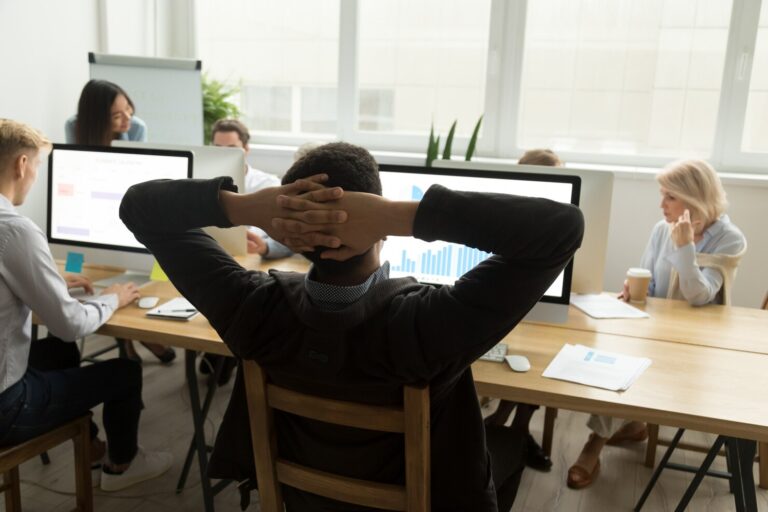
Computer screen fatigue frequently develops during long periods of work, studying, programming, writing, designing, or attending virtual meetings. A person may remain in the same seated position for hours while focusing on relatively small text or detailed information.
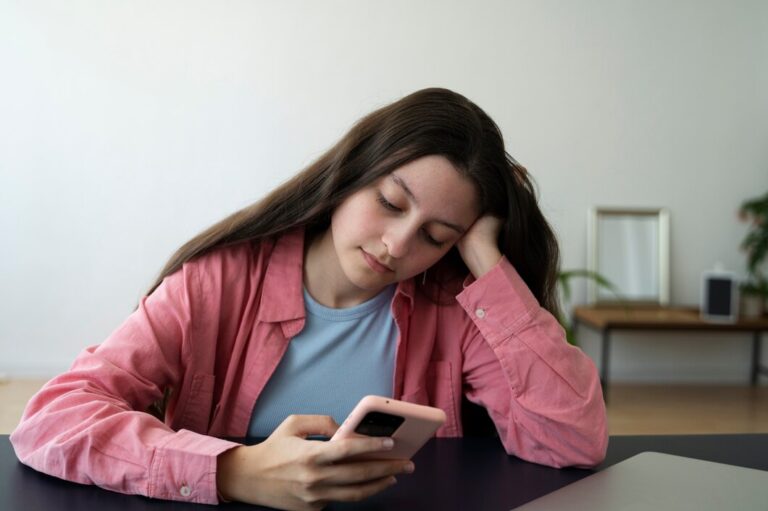
Smartphone fatigue, on the other hand, can develop through repeated short sessions throughout the day. Instead of one long period, someone might check their phone dozens or hundreds of times. Social media feeds, messages, short videos, and notifications can create constant interruptions.
Both patterns can contribute to digital fatigue, but the underlying habits may be different.
How Prolonged Screen Use Affects Your Body
Prolonged screen use does not only involve the eyes. Your posture and movement habits can also influence how you feel.
When working at a desk, you may lean toward the monitor, raise your shoulders, bend your neck, or remain seated for extended periods. Over time, this can contribute to muscle tension and physical discomfort.
A poorly positioned screen may also force you to tilt your head or strain your eyes to see clearly. If your workstation is uncomfortable, physical fatigue can add to visual and mental tiredness.
This is one reason it is useful to consider your entire digital environment rather than focusing only on the screen itself.
Screen Time Burnout and Mental Overload
Sometimes screen time burnout feels less like tired eyes and more like an inability to think clearly.
You may notice that you:
- Struggle to concentrate
- Lose interest in routine tasks
- Feel overwhelmed by notifications
- Become impatient with digital communication
- Need frequent breaks
- Find it difficult to process new information
- Feel mentally drained after online meetings
This can happen when digital activity fills nearly every part of the day. Work may happen on a computer, communication through a phone, entertainment through a television, and relaxation through another screen.
The result can be very little time for genuine mental recovery.
How Screen Time Affects Energy
Understanding how screen time affects energy requires looking at behavior as a whole. Screen use itself does not automatically remove energy, but the habits surrounding it can influence how energetic you feel.
For instance, several hours of continuous screen use may mean:
- Less walking
- Fewer breaks
- Less outdoor time
- Poorer posture
- Delayed meals
- Reduced social interaction
- Later bedtimes
- Less time for relaxing activities
When these habits accumulate, fatigue can become more noticeable.
In this way, screen-related tiredness may reflect a combination of visual, cognitive, behavioral, and sleep-related factors.
Why Breaks Matter
One of the simplest ways to reduce screen fatigue is to take regular breaks.
Instead of waiting until your eyes or mind feel exhausted, build short pauses into your routine. During a break, look away from the screen and allow your eyes to focus on something farther away. Stand up, stretch, walk around, drink water, or simply change your environment.
A useful approach is to follow the 20-20-20 principle: approximately every 20 minutes, look at something around 20 feet away for about 20 seconds.
The goal is not to follow a perfect timer throughout the day. The bigger principle is to avoid uninterrupted periods of close-up screen viewing.
How to Prevent Screen Fatigue at Work
If you regularly use a computer, small changes to your workstation can help how to prevent screen fatigue become a practical part of your routine.
Consider these adjustments:
Position Your Screen Properly
Keep the monitor at a comfortable height and viewing distance. You should not have to bend your neck forward or squint to read the display.
Adjust Brightness
Your screen should not appear dramatically brighter or darker than your surrounding environment. Adjust the display according to the room and task.
Increase Text Size
If you frequently lean toward the screen to read, increasing text size may reduce unnecessary visual effort.
Reduce Glare
Reflections from windows and overhead lighting can make reading more difficult. Adjust the position of your monitor or lighting when possible.
Take Movement Breaks
Stand up regularly and move your body. A short walk can provide a useful physical and mental break from prolonged sitting.
How to Reduce Screen Fatigue at Home
Reducing screen fatigue does not necessarily mean eliminating technology. Instead, focus on creating healthier boundaries.
You could establish screen-free periods during meals, avoid unnecessary phone checking, keep entertainment devices away from your bed, and spend part of your free time doing activities that do not require a display.
Reading a physical book, taking a walk, preparing food, exercising, talking with family, listening to music, or pursuing a hands-on hobby can provide a change from continuous digital stimulation.
These simple substitutions can make your day feel less dominated by screens.
Managing Digital Eye Strain
If digital eye strain is a recurring problem, pay attention to the conditions in which your symptoms appear.
Ask yourself:
- Does the discomfort happen after long computer sessions?
- Are you using a screen in a dark room?
- Do you frequently forget to blink?
- Is the text difficult to read?
- Is your screen too close to your face?
- Are you working without regular breaks?
- Are headaches appearing after extended digital tasks?
Identifying patterns can help you change the habits most likely to be contributing to discomfort.
Persistent or severe vision problems should be discussed with an eye-care professional rather than assumed to be caused by screen use alone.
Simple Habits to Fight Fatigue From Screen Time
If you regularly experience fatigue from screen time, consider introducing several small habits instead of trying to make a dramatic change overnight.
Start Your Day Without Immediately Checking Your Phone
Give yourself some time before opening social media, messages, or work notifications. This can create a calmer start to the day.
Group Similar Tasks Together
Constantly switching between email, messaging, documents, and websites can increase mental load. Completing similar tasks together may reduce unnecessary attention switching.
Use Breaks as Recovery Time
A break should not always mean switching from a computer to a smartphone. If you spend all day on a computer and use your break to scroll through your phone, your eyes and attention may not receive much recovery.
Create Screen-Free Meals
Eating without a device provides an opportunity to step away from digital stimulation and focus on your food or conversation.
Set an Evening Cutoff
Reducing unnecessary device use before bed may support a more consistent sleep routine.
When Screen Fatigue Becomes a Daily Problem
Occasional tiredness after a long digital session is common. However, if you constantly experience tired after screen time symptoms, it is worth examining your broader routine.
Consider your sleep schedule, physical activity, hydration, workload, stress, workstation, vision, and overall screen habits. Not every instance of fatigue is caused by a digital device.
If tiredness is persistent, severe, worsening, or accompanied by concerning symptoms, professional medical advice can help identify other possible causes.
A Balanced Approach to Screen Use
Technology is not inherently harmful. Computers allow people to work, students to learn, businesses to operate, and families to communicate across distances. Smartphones provide access to information and services that were once difficult to obtain.
The goal is therefore not to avoid screens completely. The aim is to build a more balanced and healthy relationship with technology.
Instead of asking whether all screen use is bad, ask whether your current pattern gives your eyes, brain, body, and sleep enough opportunities to recover.
A balanced digital routine might include focused work periods, regular movement, short visual breaks, outdoor activities, meaningful offline interactions, and screen-free time before sleep.
Final Thoughts
Feeling tired after using screens can result from several factors working together. Screen fatigue, digital eye strain, mental overload, prolonged sitting, constant notifications, and disrupted sleep can all contribute to the experience. The effects of too much screen time may become more noticeable when digital devices occupy most of the working, studying, entertainment, and communication parts of your day.
Recognizing the relationship between screen time and fatigue is the first step toward making healthier changes. Regular breaks, better screen positioning, reduced evening device use, more movement, and time away from digital stimulation can help reduce screen fatigue.
Most importantly, remember that screen use does not need to disappear from modern life. What matters is creating a routine where technology supports your day without taking away the time your eyes, mind, body, and sleep need to recover. By understanding screen time exhaustion, computer fatigue, smartphone fatigue, and other forms of digital fatigue, you can make more intentional choices about when to connect, when to focus, and when to step away.
About the Author