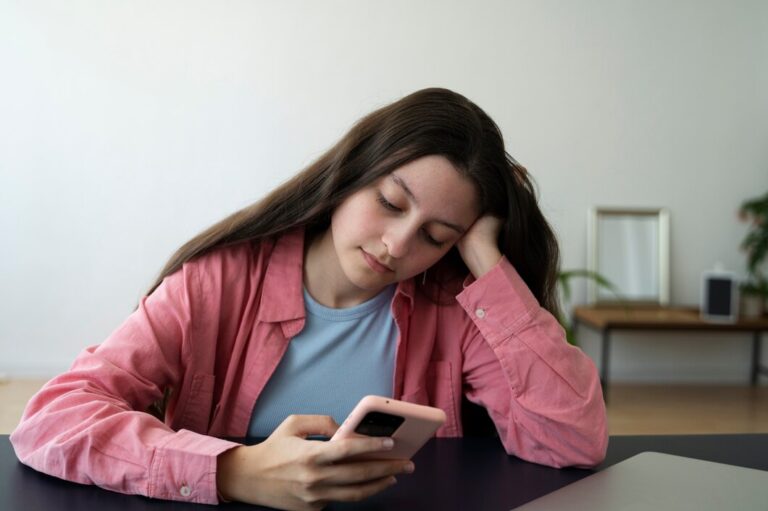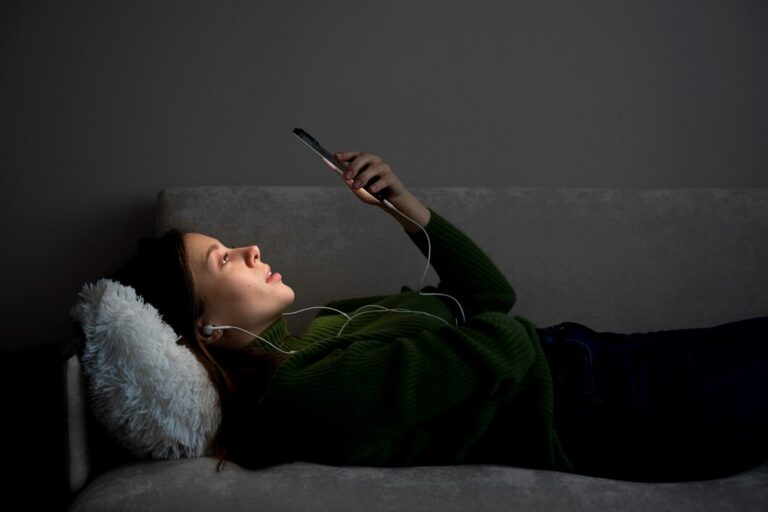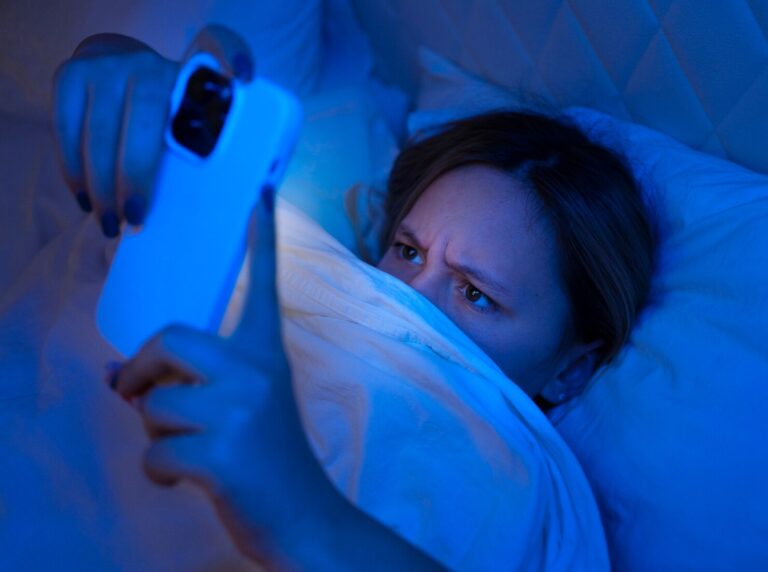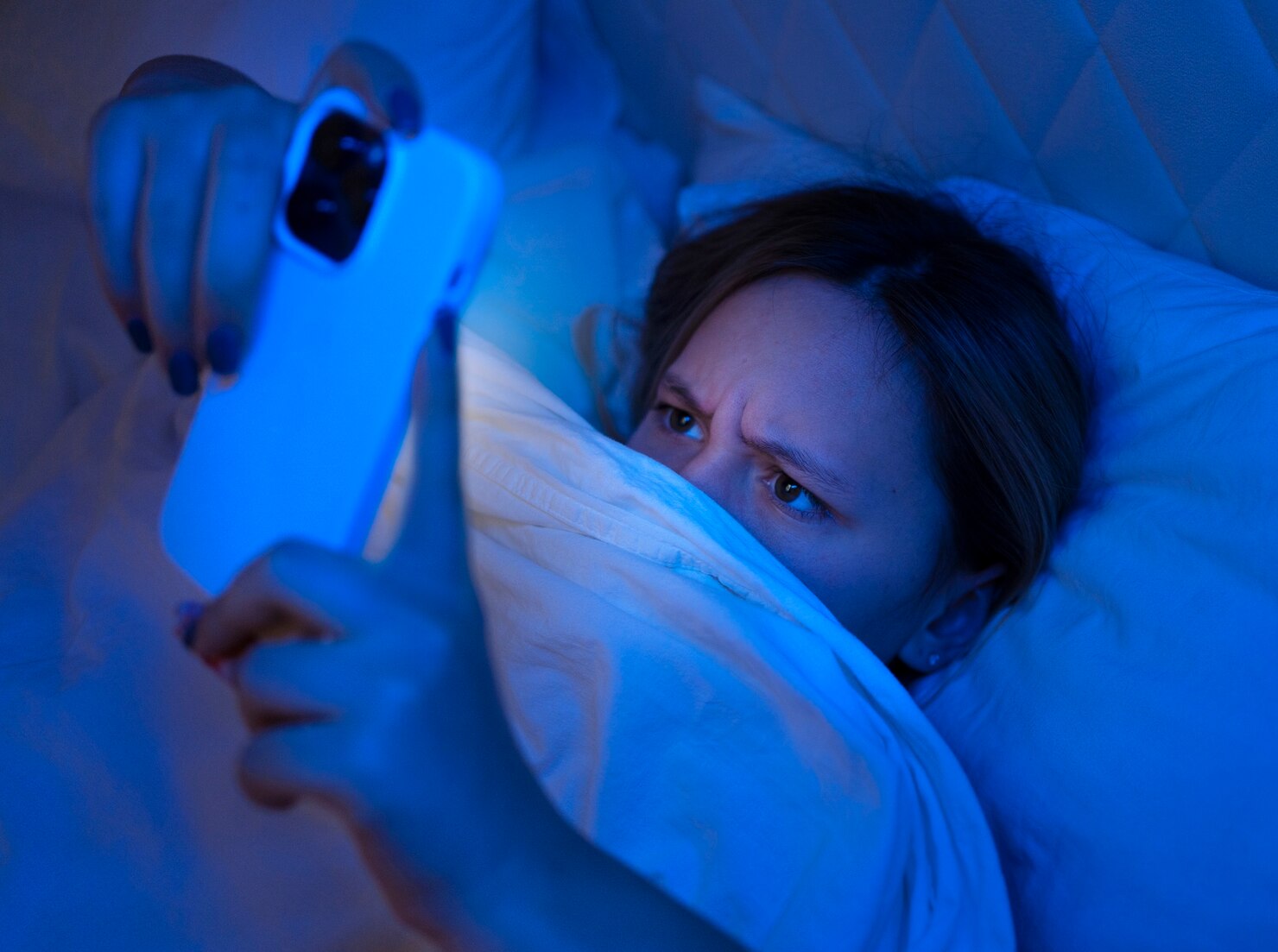
Modern life has made screens almost impossible to avoid. Many people use smartphones to check messages, watch videos, browse social media, or read before going to sleep. Laptops and tablets are also common parts of evening work, study, and entertainment. While these devices are convenient, using them late at night has raised questions about blue light and sleep and whether screen exposure can interfere with the body’s natural sleep process.
Blue light is a type of visible light produced naturally by the sun and artificially by many digital displays and LED lighting. Exposure during the daytime can support alertness and help regulate the body’s internal clock. However, exposure to bright light late in the evening may send signals to the brain that it is still time to stay awake. This is one reason researchers have examined the relationship between blue light before bed, screen time and sleep, and nighttime alertness.
The effects can vary from person to person. The brightness of a screen, the duration of use, the type of activity, the time of exposure, and individual sleep habits can all influence the outcome. Understanding how light interacts with the sleep-wake cycle can help people make practical choices without necessarily giving up technology.
What Is Blue Light?
Blue light is a type of visible light that falls within a specific range of the electromagnetic spectrum. Sunlight contains blue wavelengths along with many other forms of visible and invisible radiation. Artificial sources such as LED bulbs, smartphones, tablets, televisions, computer monitors, and other electronic displays can also emit blue wavelengths.
Not all blue light is harmful. In fact, blue-rich light during the daytime can be useful. Exposure to daylight helps the brain distinguish between day and night and can contribute to normal circadian rhythm regulation. Circadian rhythms are approximately 24-hour biological cycles that influence sleep, wakefulness, body temperature, hormone activity, and other processes.
The concern generally involves the timing and intensity of exposure, rather than blue light being inherently dangerous.
During the evening, the body normally begins preparing for sleep. As darkness increases, the brain releases more melatonin, a hormone associated with sleep timing. Bright light can interfere with this process by stimulating light-sensitive cells in the eyes that communicate with areas of the brain involved in circadian regulation.
Digital displays are particularly relevant because they are often viewed at close range and are frequently used during the hours immediately before bedtime.
It is also important to distinguish blue light from overall screen brightness. A bright screen can provide a substantial amount of light even when the blue component is reduced. Therefore, simply changing the color temperature of a display does not necessarily eliminate every potential effect of nighttime screen exposure.
How Screens May Affect Sleep
The connection between screen time and sleep involves more than one mechanism. Light exposure is an important factor, but what people do on their devices can also influence sleep.
Light Can Influence the Body Clock
The human body uses environmental light as a major signal for determining when to feel awake and when to become sleepy. Exposure to bright light in the evening can shift or delay this biological timing in some circumstances.
When someone spends a long period looking at a bright phone or tablet shortly before bed, the light reaching the eyes may provide an alerting signal. Depending on the intensity and duration of exposure, this can make it more difficult for the body to transition naturally toward nighttime physiology.
Screen Activities Can Increase Mental Alertness
The content viewed on a device matters too. Watching an exciting show, responding to work messages, playing a competitive game, or scrolling through emotionally stimulating posts can keep the brain active.
Even if a screen’s light were not an issue, stimulating activities immediately before bed could make relaxation more difficult.
This means that blue light effects should not be considered separately from overall nighttime behavior. Someone may struggle to sleep after spending an hour on an engaging social media feed because of both light exposure and mental stimulation.
Screens Can Replace Sleep Time
Another simple issue is bedtime displacement. People often intend to spend only a few minutes on their phones but continue scrolling, watching videos, or responding to messages for much longer.
If someone planned to sleep at 10:30 p.m. but stays awake until midnight using a device, the lost sleep opportunity may have a greater practical impact than the light from the display itself.
Notifications Can Interrupt Wind-Down
Notifications, alerts, incoming messages, and emails can encourage people to repeatedly check their devices. This can prevent the mind from entering a calm pre-sleep state.
Creating boundaries around nighttime technology can therefore be useful even when a person does not notice an obvious sensitivity to screen light.
Does Blue Light Really Affect Sleep?
The short answer is that evening light exposure can affect the body’s circadian system and sleep timing, but the size of the effect depends on several factors.
Research has shown that evening exposure to light can influence melatonin production and circadian timing. Screens are one possible source of this exposure. However, claims that every person who uses a smartphone before bed will experience major sleep problems are too broad.
Individual responses differ.
Several factors can influence how strongly nighttime screen exposure affects someone:
- Screen brightness
- Duration of exposure
- Distance from the screen
- Type of device
- Time of night
- Room lighting
- Individual circadian rhythm
- Sensitivity to light
- Sleep schedule
- Type of digital activity
- Overall sleep habits
For example, using a dim phone for five minutes to check an alarm is very different from watching videos on a brightly illuminated tablet for two hours in bed.
The timing of exposure is also important. Light exposure earlier in the day generally serves a different biological purpose than bright light immediately before sleep.
This is why the discussion around blue light and sleep should focus on realistic patterns rather than treating all screen use as equally disruptive.
Another important point is that reducing blue wavelengths does not make late-night technology automatically harmless. If someone spends an hour responding to work emails or playing games after turning on a night-mode setting, the activity itself may still increase alertness.
Phones, Tablets and Computers Before Bed
Smartphones are perhaps the most common source of phone screen sleep concerns because they are portable and often remain within reach throughout the night.
People may use their phones for entertainment, communication, reading, shopping, news, or social media. Because the device is small and convenient, it can easily become part of the bedtime routine.
Smartphones
Phone displays can be bright enough to provide significant evening light exposure, particularly when used in a dark bedroom. Holding the phone close to the face can also increase the amount of light entering the eyes.
Using a lower brightness setting and enabling a warmer display mode can reduce some blue wavelengths and overall brightness.
Tablets
Tablets have larger displays and are commonly used for watching movies, reading, gaming, or browsing. Because they may remain in use for extended periods, duration becomes an important consideration.
A tablet placed several inches from the face at high brightness may provide considerably more light exposure than a brief glance at a phone.
Computers
Computers can be especially relevant for people who work or study late. Unlike casual phone use, computer use may be necessary for professional or educational responsibilities.
In such cases, completely avoiding screens may not be practical. Instead, users can consider lowering brightness, using warmer display settings, taking breaks, and creating a short screen-free period after finishing work whenever possible.
Television
Televisions are also screens, but viewing distance is usually greater than with phones or tablets. The overall impact depends on brightness, viewing distance, duration, and the content being watched.
Watching a calm program from across the room may create a different experience from holding a bright smartphone close to the eyes while actively responding to messages.
Do Blue-Light Glasses Help?
Blue light glasses have become popular as a way to reduce exposure to blue wavelengths from digital displays. These glasses use lenses designed to filter some portion of blue light.
However, they should not be viewed as a guaranteed solution for sleep problems.
Evidence about their ability to improve sleep is mixed. Some people report that blue-light-filtering lenses make evening screen use more comfortable or help them feel less stimulated, while research has not consistently demonstrated a large sleep benefit for everyone.
There are several reasons for this.
First, sleep is influenced by many factors besides blue wavelengths. Screen brightness, psychological stimulation, bedtime consistency, caffeine intake, stress, physical activity, and environmental conditions can all influence sleep.
Second, different blue-light glasses filter different portions of the light spectrum. Products are therefore not identical.
Third, wearing filtering glasses does not remove the behavioral aspects of nighttime screen use. Someone who wears blue-light glasses while scrolling through stimulating content until 1 a.m. may still have difficulty maintaining a healthy sleep schedule.
For people who enjoy using these glasses, they can be considered one possible component of an evening strategy. However, they should complement—not replace—good sleep habits.
Practical Ways to Reduce Nighttime Screen Exposure
You do not necessarily have to eliminate screens completely to improve your nighttime routine. Small changes can make evening technology use less disruptive.
Lower Screen Brightness
Reduce the brightness of your phone, tablet, or computer when using it at night. Avoid keeping the display significantly brighter than the surrounding environment.
Use Night or Warm Display Settings
Many modern devices include night mode, reading mode, or color-temperature controls. These features can make the display warmer and reduce some blue wavelengths.
They are useful tools, although they do not eliminate the effects of all screen exposure.
Create a Screen-Free Buffer
Try setting aside 30 to 60 minutes before bedtime for activities that do not require digital displays. The exact period does not have to be perfect.
Even a short transition between active screen use and sleep can help create a clearer mental boundary between daytime activities and bedtime.
Keep the Phone Away From the Pillow
Keeping the phone across the room or outside the bedroom can reduce the temptation to check notifications. It can also make late-night scrolling less convenient.
If you use your phone as an alarm, consider enabling a do-not-disturb setting or using a separate alarm clock.
Turn Off Unnecessary Notifications
Notifications can encourage repeated checking. Disable nonessential alerts during the evening or use a scheduled focus mode.
Dim the Room
Reducing bright indoor lighting in the evening can help create an environment that is more consistent with nighttime. Warm, softer lighting may be more comfortable than intense overhead illumination.
Take Regular Breaks During Screen Use
If you must work on a computer late in the evening, periodically look away from the display and give your eyes a short break. This does not directly solve every sleep-related issue, but it can make prolonged screen use more comfortable.
Avoid Using Screens in Bed When Possible
Training the brain to associate the bed primarily with sleep can be helpful. If you regularly use your bed for work, gaming, social media, and entertainment, it may become harder to mentally transition into sleep mode.
Build a Better Pre-Sleep Routine
Reducing nighttime screen use is only one part of creating healthier sleep habits. A consistent wind-down routine can make the transition to sleep more predictable.
Start by choosing a reasonably consistent bedtime and wake-up time. The body tends to respond well to regular schedules.
About an hour before bed, begin reducing activities that require intense concentration or emotional engagement. Instead of checking work messages, consider reading a printed book, listening to quiet music, stretching, preparing clothes for the next day, or practicing a relaxation activity.
If you need to use a device, make the experience less stimulating. Reduce brightness, activate a warmer display setting, silence unnecessary notifications, and avoid content that tends to make you anxious or excited.
Your bedroom environment also matters. Keep the space comfortable, quiet, and appropriately dark. A cooler, comfortable room may support relaxation for many people.
Pay attention to caffeine as well. Coffee, tea, energy drinks, and other caffeinated products consumed late in the day can interfere with sleep for some individuals. Alcohol can also affect sleep quality even if it initially makes a person feel drowsy.
The goal is not to create a perfect bedtime routine that requires dozens of rules. Instead, build a simple pattern that tells your brain that the active part of the day is ending.
For example, a practical routine might look like this:
60 minutes before bed: Finish work and reduce demanding activities.
45 minutes before bed: Dim household lighting and reduce screen brightness.
30 minutes before bed: Put the phone away or switch it to do-not-disturb mode.
20 minutes before bed: Read, stretch, journal, or listen to relaxing audio.
At bedtime: Keep the room dark and comfortable and focus on sleep.
The exact schedule can be adjusted according to your lifestyle. Consistency is generally more important than following a rigid routine.
FAQ
Is blue light bad for sleep?
Blue light is not inherently bad. Daytime exposure can support alertness and normal circadian timing. The concern is primarily about bright or prolonged light exposure during the evening, particularly close to bedtime.
How long before bed should I avoid blue light?
There is no universal cutoff that works for everyone. A practical approach is to reduce bright screen exposure during the 30–60 minutes before bed and use lower brightness and warmer display settings if screen use is necessary.
Does phone screen use affect sleep?
It can. Phone use may expose the eyes to evening light while also keeping the brain mentally engaged. Notifications, social media, gaming, and other stimulating activities may further delay relaxation and bedtime.
Do blue-light glasses improve sleep?
Blue-light glasses may reduce exposure to certain wavelengths, but evidence of a consistent sleep benefit is mixed. They may be useful as one part of a broader nighttime strategy, but they should not be considered a guaranteed fix for sleep difficulties.
Is night mode enough to protect sleep?
Night mode can reduce the amount of blue light produced by a display and make the screen warmer. However, it does not eliminate all light exposure or the stimulating effects of screen activities. Lowering brightness and limiting usage time can also be helpful.
Is watching TV before bed bad for sleep?
It depends on the person, viewing habits, and content. Long viewing sessions, bright screens, stimulating programs, and late bedtimes can interfere with sleep. A calmer program viewed at a reasonable distance may have a different effect.
Should I stop using my phone completely before bed?
Not necessarily. If completely avoiding your phone is unrealistic, try reducing brightness, using a warmer screen setting, turning off notifications, avoiding stimulating content, and creating some screen-free time before sleeping.
Can blue light cause insomnia?
Blue light exposure alone does not mean a person will develop insomnia. However, evening light exposure and nighttime device habits can contribute to difficulty falling asleep or maintaining a consistent sleep schedule in some people.
What is the best way to reduce blue light at night?
A combination of strategies is usually more practical than relying on one solution. Lower screen brightness, activate night mode, reduce nighttime screen use, dim room lighting, silence notifications, and create a screen-free wind-down period.
Does daytime blue light exposure matter?
Yes. Natural daylight, including blue-rich light, plays an important role in regulating circadian rhythms and supporting daytime alertness. The objective is not to avoid blue light entirely but to manage the timing and intensity of exposure.
Conclusion
The relationship between blue light and sleep is more complicated than simply labeling screens as good or bad. Light is an important biological signal, and exposure to bright light late in the evening can affect circadian timing and the body’s preparation for sleep. At the same time, the content and behavior associated with screen use can also influence when and how well people sleep.
Smartphones, tablets, computers, and other displays are now part of everyday life, so completely avoiding technology may not be realistic for everyone. Instead, practical habits can help reduce unnecessary nighttime exposure. Lowering brightness, using warmer display settings, limiting stimulating activities, turning off notifications, and creating a short screen-free period before bed are simple steps worth considering.
Blue light glasses may provide another option for people who want to reduce exposure to certain wavelengths, but they should not replace broader sleep habits. Ultimately, managing blue light before bed works best as part of a consistent routine that supports relaxation, regular sleep timing, and a comfortable bedroom environment.
Rather than aiming for a completely screen-free lifestyle, focus on creating a healthier relationship with technology after dark. Small, sustainable changes to screen time and sleep habits can make your evening routine calmer and give your body a better opportunity to transition naturally from wakefulness to rest.
About the Author