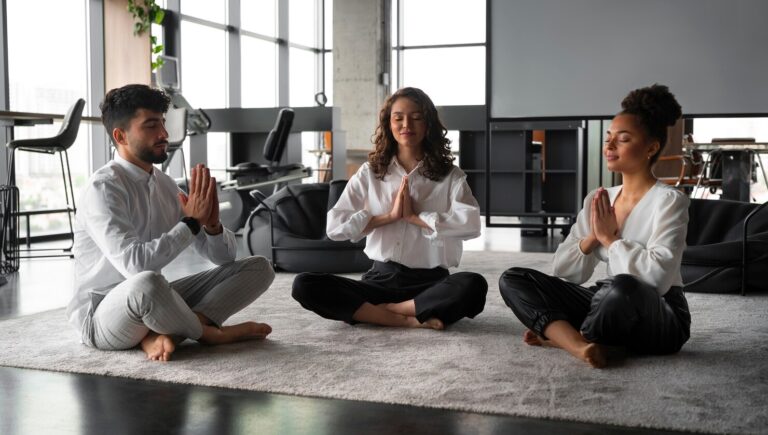
A night routine without screens can be a simple but powerful way to create distance from the constant notifications, scrolling, videos, and digital stimulation that often fill the final hours of the day. A consistent screen-free night routine gives your mind an opportunity to slow down and prepares your body for rest. Whether you prefer reading, journaling, stretching, meditation, or simply enjoying a quiet cup of caffeine-free tea, a bedtime routine without screens can turn the end of your day into a peaceful transition rather than another period of digital activity.
Modern life makes it easy to take your phone to bed, watch one more episode, answer messages, or scroll through social media late into the evening. Although these habits can feel relaxing in the moment, they may keep your attention engaged when you actually want to wind down. Creating a nighttime routine without screens does not mean abandoning technology completely. Instead, it means establishing a predictable period when digital devices are no longer the center of your attention.
A thoughtfully designed screen-free bedtime routine can include small, enjoyable habits that support relaxation and encourage healthier sleep behaviors. The key is consistency rather than perfection.
Why Create a Night Routine Without Screens?
The final part of the day has an important role in preparing you mentally and physically for sleep. If your evening is filled with bright displays, work messages, social media, entertainment, and constant information, it can be difficult to make a clear transition from daytime activity to nighttime rest.
One of the major benefits of a night routine without screens is that it creates a boundary between active daytime responsibilities and bedtime. Instead of moving directly from digital stimulation into sleep, you give yourself time to relax.
A screen-free evening can also encourage you to become more aware of your surroundings and your thoughts. You might notice that activities such as reading, stretching, listening to calming sounds, or journaling feel more satisfying when there are no notifications competing for your attention.
The goal is not to create a strict ritual that feels like another responsibility. A good relaxing night routine should feel comfortable, realistic, and enjoyable.
What Is a Screen-Free Night Routine?
A screen-free night routine is a series of activities performed before sleeping without using smartphones, tablets, computers, televisions, or other digital screens.
A nighttime routine without screens might begin 30 to 90 minutes before bedtime, depending on your schedule. During this period, you can gradually reduce stimulation and focus on calming activities.
For example, your routine could include:
- Turning off work devices
- Putting your phone away
- Taking a warm shower
- Changing into comfortable sleepwear
- Preparing your bedroom
- Reading a physical book
- Journaling
- Gentle stretching
- Meditation
- Deep breathing
- Preparing for the next morning
- Going to bed at a consistent time
There is no single perfect routine. The best night routine without screens is one that you can comfortably repeat.
The Connection Between Screens and Bedtime
Phones and other digital devices can become deeply connected with bedtime habits. Many people automatically reach for their phones whenever they feel bored, tired, or uncomfortable.
This creates a pattern where the brain begins to associate the bed with checking messages, scrolling, watching videos, or consuming information.
Learning how to avoid screens before bedtime can help break that automatic cycle. Instead of keeping your phone within arm’s reach, place it somewhere that makes casual checking less convenient.
For some people, simply charging the phone outside the bedroom can make a significant difference. Others may prefer using a traditional alarm clock so that they do not need to keep their smartphone beside the bed.
The purpose of phone-free bedtime is not to make technology seem harmful. It is to create a dedicated space where your attention can rest.
How to Create a Screen-Free Night Routine
Learning how to create a screen-free night routine becomes easier when you start gradually.
You do not need to change everything overnight. Begin by choosing a specific time when your screens will be switched off.
For example:
8:30 p.m.: Finish work and put away your computer.
8:45 p.m.: Put your phone on charge outside the bedroom.
9:00 p.m.: Take a shower and change into comfortable clothing.
9:20 p.m.: Prepare clothes and essentials for tomorrow.
9:30 p.m.: Read a physical book.
9:50 p.m.: Journal or practice meditation.
10:00 p.m.: Get into bed and focus on slow breathing.
This is only an example. Your schedule can be shorter or longer.
The important part is creating a sequence that your brain begins to recognize as a signal that the day is ending.
Start With a Digital Detox Before Bed
A digital detox before bed does not have to mean avoiding technology for an entire day. It can simply mean creating a protected period without digital devices during the final part of your evening.
Start with 15 or 20 minutes if an hour feels unrealistic. Once this becomes comfortable, extend the period gradually.
A practical digital detox might include:
- Finish urgent digital tasks earlier.
- Silence unnecessary notifications.
- Tell family or colleagues when you will be unavailable if necessary.
- Put your phone away from your sleeping area.
- Replace scrolling with a physical activity.
- Keep your routine consistent.
A successful digital detox should reduce mental stimulation without creating additional stress.
Things to Do Before Bed Without Screens
If you are wondering about things to do before bed without screens, there are many options.
You can:
- Read a paperback book
- Write in a journal
- Stretch gently
- Practice meditation
- Organize your bedroom
- Prepare clothes for tomorrow
- Make a caffeine-free drink
- Practice breathing exercises
- Take a warm bath
- Listen to calming audio without looking at a screen
- Spend quiet time with family
- Practice gratitude
- Do simple handcrafts
- Sit quietly and reflect on your day
The best choice depends on what helps you feel calm.
Some people relax through quiet activities, while others prefer gentle movement. Experiment until you discover your preferred screen-free activities before bed.
Reading Before Bed
Reading before bed is one of the simplest ways to replace nighttime scrolling.
Choose something enjoyable rather than something that makes you feel pressured to learn or accomplish something. A novel, collection of essays, biography, poetry book, or other relaxing material can work well.
Reading creates a focused activity that does not require checking notifications every few minutes.
Keep your book somewhere easy to reach so that it becomes the obvious alternative when you feel tempted to pick up your phone.
If you normally spend 30 minutes scrolling before sleep, try replacing just 10 minutes with reading. Over time, you can increase the reading period.
Journaling Before Bed
Journaling before bed can provide an opportunity to mentally organize the day.
You do not need to write several pages. A few sentences can be enough.
You might answer questions such as:
- What went well today?
- What am I grateful for?
- What is currently on my mind?
- What do I need to remember tomorrow?
- What can I let go of tonight?
- What is one positive thing I experienced today?
Writing down unfinished tasks can also help separate tomorrow’s responsibilities from your current bedtime period.
The purpose of journaling is not to create another productivity task. It is simply a way to give your thoughts a place to go before you sleep.
Meditation Before Sleep
Meditation before sleep can become a calming part of a nighttime routine. You can sit comfortably, close your eyes, and focus on your breathing for several minutes.
A simple approach is to notice your natural breathing without trying to control it. When thoughts appear, acknowledge them and gently return your attention to your breath.
You can also practice progressive relaxation by slowly bringing your attention to different parts of the body and consciously relaxing areas that feel tense.
Meditation does not require complicated techniques. Even a few quiet minutes can create a sense of transition between daytime activity and bedtime.
Gentle Stretching
Gentle stretching can be another useful addition to a relaxing bedtime routine without screens.
Keep the movements slow and comfortable. Avoid turning the session into an intense workout immediately before bed.
You might include gentle movements for:
- Neck and shoulders
- Upper back
- Hips
- Hamstrings
- Calves
- Lower back
The goal is relaxation rather than athletic performance.
Pairing gentle stretching with slow breathing can create a calming ritual that helps you shift attention away from work and digital activity.
Take a Warm Shower or Bath
A warm shower or bath can signal that the active part of the day is coming to an end.
Instead of rushing through the process, treat it as part of your peaceful bedtime routine. Dim the lights if comfortable, keep the environment quiet, and avoid taking your phone into the bathroom.
This small habit can help create a psychological separation between your evening responsibilities and your sleeping period.
Prepare for Tomorrow
One reason people continue thinking about the next day while lying in bed is that they have not mentally organized what needs to happen tomorrow.
Use a few minutes of your evening routine without screens to prepare.
You might:
- Choose tomorrow’s clothes
- Pack your work or school bag
- Prepare breakfast ingredients
- Write down important tasks
- Tidy your workspace
- Set out anything you need in the morning
Once these tasks are completed, you can return your attention to relaxation.
This is particularly useful for people who find themselves mentally reviewing tomorrow’s responsibilities when they should be sleeping.
Create a Calming Bedroom Environment
Your surroundings can influence your bedtime experience.
A calming nighttime routine for better sleep works best when the bedroom supports relaxation.
Consider:
- Keeping the room comfortable
- Reducing unnecessary noise
- Keeping the sleeping area tidy
- Using comfortable bedding
- Limiting bright lighting
- Keeping work materials away from the bed when possible
- Making the bedroom primarily associated with rest
You do not need an expensive bedroom makeover. Small environmental changes can make your nighttime routine more pleasant.
Use Softer Evening Lighting
Bright lighting throughout the evening can make the transition to nighttime feel less natural.
As bedtime approaches, consider switching from bright overhead lights to softer, warmer lighting where practical.
This can become part of your calming bedtime activities.
For example, you might dim the lights when you begin reading and keep the room peaceful while journaling or meditating.
The objective is to make the final part of the evening feel visually and mentally different from the busy daytime period.
How to Relax Before Bed Without Your Phone
If you are wondering how to relax before bed without your phone, begin by identifying what you normally use your phone for.
If you use it for entertainment, replace entertainment with reading, music, conversation, puzzles, or another hobby.
If you use it to organize your life, write tasks on paper.
If you use it to escape stress, try breathing exercises, journaling, stretching, or a quiet hobby.
If you use it because you feel bored, prepare a small collection of relaxing things to do before sleeping.
The important point is not simply removing your phone. You need to replace the habit with something satisfying.
What to Do Instead of Using Your Phone at Night
Many people ask what to do instead of using your phone at night because removing the device leaves an uncomfortable gap.
Create a simple list of alternatives before your screen-free period begins.
For example:
If I want entertainment: Read a novel.
If I feel restless: Stretch for five minutes.
If I feel mentally busy: Journal.
If I feel anxious about tomorrow: Write down tomorrow’s priorities.
If I feel tired: Prepare for bed rather than starting another activity.
If I want quiet: Sit comfortably and practice slow breathing.
Having alternatives makes it easier to maintain a no-screen bedtime routine.
Develop Screen-Free Habits for Better Sleep
Successful screen-free habits for better sleep are usually small and repeatable.
You might create a rule such as:
- No phone in bed.
- No work emails after a certain time.
- No social media during the final 30 minutes of the evening.
- Keep the charger away from the bed.
- Read several pages every night.
- Journal for five minutes.
- Prepare tomorrow before beginning relaxation.
These habits create structure without making bedtime complicated.
Build a Healthy Night Routine
A healthy night routine should support relaxation rather than become another performance goal.
Avoid creating a long list of activities that takes two hours to complete if you only have 30 minutes available.
A simple routine might be:
10 minutes: Prepare your room and tomorrow’s essentials.
10 minutes: Take a shower and change into comfortable clothes.
15 minutes: Read.
5 minutes: Journal.
5 minutes: Meditate or practice slow breathing.
Then go to bed.
The most effective routine is one that fits your actual lifestyle.
Sleep Hygiene and Bedtime Habits
Sleep hygiene refers to behaviors and environmental practices that support healthy sleep.
A screen-free routine can be one component of good sleep hygiene, alongside other better sleep habits such as maintaining a consistent sleep schedule, creating a comfortable bedroom, and avoiding activities that make bedtime feel like an extension of the workday.
Your bedtime habits become stronger through repetition. When you follow the same general sequence every night, the routine can become automatic.
You do not have to follow it perfectly every day. The goal is to establish a reliable pattern.
Create a Mindful Evening Routine
A mindful evening routine focuses on being present rather than consuming more information.
Instead of thinking about what happened online, pay attention to what is happening around you.
Notice:
- Your breathing
- Your surroundings
- Physical sensations
- Your emotions
- Sounds in the environment
- Thoughts that come and go
Mindfulness does not mean forcing your mind to become completely empty. It simply means observing the present moment without constantly reaching for stimulation.
This can make your peaceful evening routine for better sleep feel more intentional.
How to End Your Day Peacefully
Learning how to end your day peacefully starts with accepting that every day does not need to be perfectly productive.
Some days will be stressful. Some plans will remain unfinished. Some tasks will need to wait until tomorrow.
Your nighttime routine can become a signal that the day is complete enough for now.
Try asking yourself:
“What can I leave for tomorrow?”
“What went well today?”
“What do I need to release before sleeping?”
These questions can help you move away from constant problem-solving and toward rest.
A Simple Bedtime Routine for a Peaceful Night
If you want a simple bedtime routine for a peaceful night, try this sequence:
Step 1: Choose a Screen-Off Time
Pick a realistic time that gives you enough space before bed.
Step 2: Put Devices Away
Place your phone somewhere outside immediate reach.
Step 3: Prepare for Tomorrow
Organize clothing, bags, tasks, and other essentials.
Step 4: Take a Shower
Use this as a transition from daytime activity to evening relaxation.
Step 5: Lower the Lights
Create a quieter atmosphere.
Step 6: Read
Spend 10 to 20 minutes with a physical book.
Step 7: Journal
Write down thoughts, gratitude, or tomorrow’s priorities.
Step 8: Meditate
Spend several minutes practicing slow breathing or meditation.
Step 9: Get Into Bed
Once you are ready, avoid restarting the digital cycle.
This routine is short enough to be practical while including several relaxing elements.
A 30-Minute Relaxing Night Routine
If you have limited time, try a 30-minute relaxing night routine.
Minutes 0–5: Put away your phone and prepare the bedroom.
Minutes 5–10: Change clothes and complete your basic hygiene routine.
Minutes 10–20: Read a physical book.
Minutes 20–25: Journal about the day.
Minutes 25–30: Practice meditation or slow breathing.
This approach proves that a screen-free bedtime routine does not have to require a complicated schedule.
A Longer 60-Minute Screen-Free Routine
If you have more time, you can expand the routine.
First 10 minutes: Tidy your room and prepare for tomorrow.
Next 10 minutes: Take a warm shower.
Next 20 minutes: Read.
Next 10 minutes: Journal.
Final 10 minutes: Practice meditation, breathing, or gentle stretching.
This creates a gradual reduction in activity.
The transition matters more than the exact number of minutes.
Common Challenges With Going Screen-Free
Changing established evening habits can be difficult.
You may initially feel bored without your phone. You may instinctively reach for it when you hear a notification. You may also worry about missing something.
These reactions are normal when changing a familiar routine.
Start small rather than expecting immediate perfection.
If 60 minutes without screens feels impossible, begin with 15 minutes. If you usually take your phone into bed, start by leaving it on a nearby table and gradually move it farther away.
The goal is to build confidence and consistency.
Avoid Turning Your Routine Into Another Task
A bedtime routine should not become another reason to feel guilty.
If you miss meditation one night, it does not mean your routine has failed. If you read for five minutes instead of 20, that is still useful. If you occasionally need to use your phone for an important reason, simply return to your routine afterward.
Healthy routines should be flexible enough to survive real life.
Your phone-free bedtime is intended to create more peace, not another standard you must meet perfectly.
The Importance of Consistency
Consistency is one of the most valuable parts of any nighttime routine.
When you repeat similar actions in a similar order, your brain can begin to recognize them as signals that bedtime is approaching.
For example:
Phone away → shower → reading → journaling → meditation → bed.
Over time, this sequence can become familiar.
The exact activities are less important than creating a predictable transition.
Final Thoughts
A night routine without screens can transform the final part of your day into a calmer and more intentional experience. Instead of ending the evening with endless scrolling, notifications, work messages, or digital entertainment, you can create space for activities that help you slow down.
The best night routine without screens does not need to be complicated. Reading before bed, journaling before bed, gentle stretching, meditation before sleep, preparing for tomorrow, and creating a comfortable bedroom can all become valuable parts of your evening.
The key is learning how to avoid screens before bedtime in a realistic way. Start with a short digital detox, put your phone outside your immediate reach, and replace scrolling with enjoyable screen-free activities before bed.
A consistent relaxing bedtime routine without screens can also become part of broader sleep hygiene and better sleep habits. When combined with a comfortable sleep environment, regular bedtime habits, and a mindful approach to the evening, it can help make nighttime feel less like an extension of the busy day.
Most importantly, remember that a peaceful evening routine should feel peaceful. You do not need to follow an elaborate ritual. Choose a few calming activities that you genuinely enjoy and repeat them consistently.
Whether your ideal evening involves reading a novel, writing in a journal, stretching quietly, practicing meditation, enjoying a warm shower, or simply sitting in silence, the purpose remains the same: create a clear boundary between daytime stimulation and nighttime rest.
By gradually developing a screen-free night routine, you can make your evenings more intentional, reduce dependence on nighttime scrolling, and create a healthier transition toward sleep. Sometimes, ending the day peacefully begins with something as simple as putting the phone away and giving yourself permission to slow down.
About the Author